
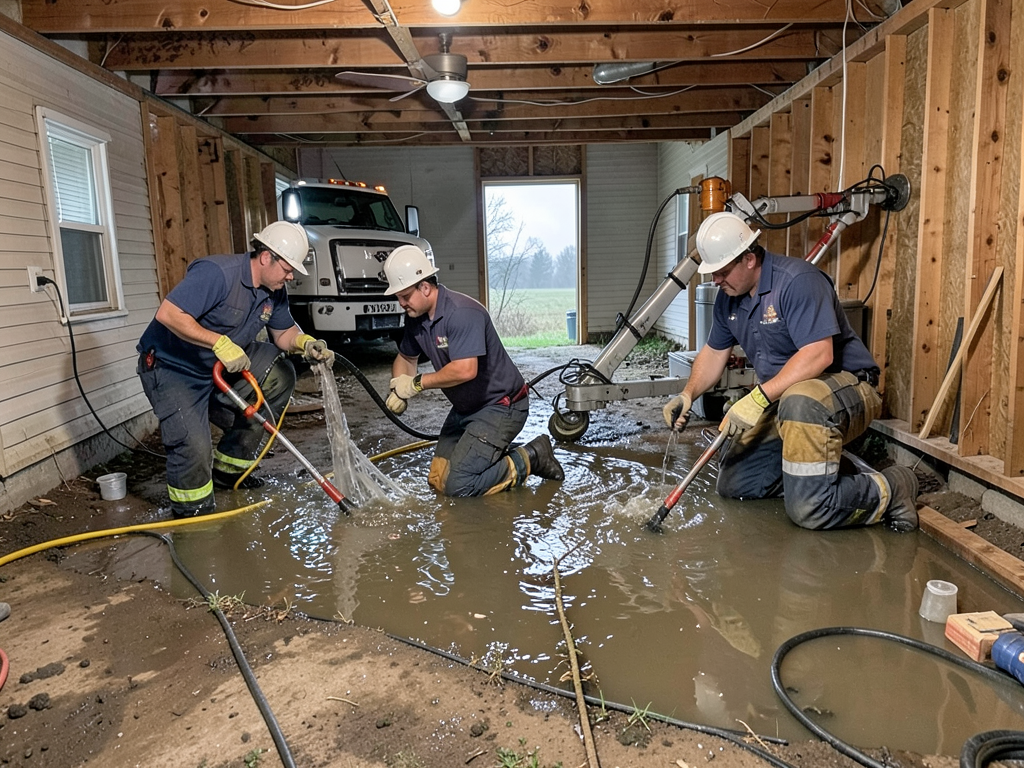
What to Do if Your Moore Home Floods During an Oklahoma Storm
When flash flooding hits Moore during an Oklahoma storm, every minute counts. Standing water can seep into drywall, warp flooring, and create the perfect environment for mold growth within 24-48 hours. The first 60 minutes after discovering flood water are critical for minimizing structural damage and protecting your family’s health.. Read more about Expert Mold Remediation and Water Drying Services in The Village.
Moore’s flat terrain and proximity to the Canadian River make it especially vulnerable to rapid water accumulation during severe weather. Homes in neighborhoods like Old Town Moore and Southmoore often face unique challenges when drainage systems become overwhelmed. Understanding what to do immediately can save thousands in restoration costs and prevent long-term property damage.. Read more about The Top Rated Flood Damage Restoration Experts in Yukon.
Immediate Steps to Take When Your Moore Home Floods
Safety comes first. Before entering any flooded area, shut off electricity at the main breaker if water has reached outlets or appliances. Wear rubber boots and gloves to protect against contaminated water that may contain sewage, chemicals, or debris from the storm.. Read more about How to Safely Handle a Flooded Basement in Quail Creek.
Stop the water source if possible. For clean water from a burst pipe, locate your main water shut-off valve. For storm flooding, you may need to wait for water levels to recede. Document everything with photos and videos before beginning any cleanup for insurance purposes.. Read more about How to Find the Best Water Damage Restoration Company in Oklahoma City.
Remove valuable items from affected areas immediately. Lift furniture onto blocks or move it to dry areas. Hang wet fabrics, rugs, and draperies to prevent staining and mildew growth. The longer items stay wet, the less likely they can be salvaged.
Understanding Moore’s Flood Risk Factors
Moore sits in Cleveland County where expansive red clay soil creates unique drainage challenges. During heavy rainfall, this soil becomes saturated quickly and prevents proper water absorption, causing surface flooding even in areas without nearby water bodies.
The city’s storm sewer system, particularly in older neighborhoods near Main Street, was not designed for the intensity of modern storms. Flash flooding can occur within minutes when rainfall exceeds two inches per hour, overwhelming drainage infrastructure.. Read more about Restoring Your Del City Home After Storm or Water Damage.
Many Moore homes built before 2010 lack proper flood mitigation features required by current building codes. The Oklahoma City Building Code now mandates specific grading requirements and drainage systems for new construction, but older properties remain vulnerable to storm surge flooding.
Professional Water Extraction Process
Professional water extraction involves industrial-grade equipment that homeowners cannot rent at local hardware stores. Truck-mounted extraction units can remove thousands of gallons per hour, while portable units navigate tight spaces like basements and crawl spaces.. Read more about Professional Sewage Backup Cleanup and Sanitization in Norman Oklahoma.
Moisture mapping using infrared thermal imaging cameras identifies hidden water pockets behind walls and under flooring. This technology reveals temperature differences that indicate moisture presence, ensuring no water remains trapped where it can cause secondary damage.
Water classification determines the restoration approach. Category 1 water from clean sources requires less aggressive treatment than Category 3 water containing sewage or contaminants. The IICRC S500 standard guides professionals in determining appropriate drying and sanitization methods. IICRC S500 Standard.
| Water Type | Common Sources | Health Risk | Restoration Approach |
|---|---|---|---|
| Category 1 | Broken supply line, rainwater | Low | Drying and dehumidification |
| Category 2 | Appliance overflow, washing machine | Moderate | Cleaning and antimicrobial treatment |
| Category 3 | Sewer backup, river flooding | High | Removal and replacement of affected materials |
Structural Drying and Dehumidification
Professional drying goes beyond surface water removal. Industrial dehumidifiers extract moisture from the air and materials at a rate of 20-30 gallons per day, while air movers create airflow patterns that accelerate evaporation from porous surfaces.
Psychrometric monitoring tracks the relationship between temperature, humidity, and moisture content. Technicians use specialized meters to measure moisture levels in wood, drywall, and concrete, ensuring materials return to safe moisture content levels before reconstruction begins.
The drying process typically takes 3-5 days depending on the extent of flooding and material types affected. Hardwood floors require specialized drying mats that apply negative pressure to extract water from between boards without causing warping or buckling.
Mold Prevention in Oklahoma’s Humid Climate
Oklahoma’s high humidity creates ideal conditions for mold growth when indoor moisture levels remain elevated. The state’s average relative humidity of 70% means that flood-damaged homes require aggressive dehumidification to prevent mold colonization within the critical 24-48 hour window.
Antimicrobial treatments applied during the drying process inhibit mold spore germination. These EPA-registered products create a protective barrier on affected surfaces, but they cannot reverse existing mold growth if moisture remains present.
Air quality testing after restoration verifies that spore counts return to normal levels. This testing is particularly important for Moore residents with respiratory conditions or allergies, as mold exposure can trigger severe health reactions in sensitive individuals.
Insurance Claims for Storm Flood Damage
Standard homeowners insurance policies in Oklahoma typically do not cover flood damage from external sources. Storm surge flooding requires separate National Flood Insurance Program (NFIP) coverage or private flood insurance policies. National Flood Insurance Program.
Internal plumbing failures and appliance-related water damage are usually covered under standard policies, but the cause of flooding determines coverage eligibility. Documentation of the water source and damage extent is crucial for claim approval.
Professional restoration companies often work directly with insurance adjusters, providing detailed documentation and estimates that streamline the claims process. This coordination can reduce out-of-pocket expenses and accelerate restoration timelines.
Choosing the Right Restoration Company
Certification matters when selecting a restoration company. IICRC-certified technicians follow industry best practices and maintain current training in water damage restoration techniques. Companies displaying IICRC certification have demonstrated technical competence and ethical business practices.
Response time is critical in flood situations. Companies offering 24/7 emergency service with guaranteed arrival times within 60 minutes can prevent secondary damage that occurs when water sits for extended periods.
Local experience in Moore provides advantages when dealing with specific challenges like clay soil moisture migration and neighborhood drainage patterns. Companies familiar with Cleveland County building codes can also assist with permit requirements for reconstruction work.
Preventing Future Flood Damage
Proper lot grading directs water away from your home’s foundation. The ground should slope at least six inches within the first ten feet from your foundation, creating positive drainage that prevents water pooling near your home.
Sump pump installation with battery backup provides protection during power outages that often accompany severe storms. These systems automatically activate when water reaches a predetermined level, pumping water away from your foundation before flooding occurs.
Rain gutter maintenance and downspout extensions prevent water from saturating soil near your foundation. Downspouts should discharge water at least five feet away from your home, with extensions or underground drainage systems carrying water to appropriate discharge points.
The Cost of Professional Restoration
Water damage restoration costs vary significantly based on the extent of damage, water category, and materials affected. Category 1 clean water damage might cost $3-5 per square foot to dry and clean, while Category 3 contamination can exceed $10 per square foot due to material removal and replacement requirements.
Insurance coverage limitations often leave homeowners responsible for deductibles and non-covered damage. Understanding your policy’s specific flood coverage before disaster strikes helps you prepare financially for potential restoration expenses.
Professional restoration companies provide detailed estimates that itemize labor, equipment, and material costs. These transparent pricing structures help homeowners make informed decisions about restoration priorities and budget allocation.
Emergency Contacts for Moore Residents
Keep these numbers readily accessible during storm season. The City of Moore Emergency Management office provides real-time flood alerts and evacuation information. Cleveland County Emergency Management coordinates disaster response and resource allocation during major flooding events.
OG&E outage reporting helps restore power quickly, which is crucial for sump pump operation and water removal equipment. The Moore Fire Department’s non-emergency line can provide safety guidance when you’re unsure about entering flooded areas.
Professional restoration companies maintain emergency dispatch centers staffed 24/7. These teams coordinate multiple crews during widespread flooding events, ensuring timely response even when demand exceeds normal capacity.
Frequently Asked Questions
How long does it take for mold to grow after flooding?
Mold can begin growing within 24-48 hours after water exposure. The combination of moisture, organic materials, and Oklahoma’s high humidity creates ideal conditions for rapid mold colonization. Professional drying within this window prevents most mold growth.
Can I clean up flood water myself?
Small clean water spills might be manageable, but flood water often contains contaminants that pose health risks. Professional equipment and antimicrobial treatments ensure thorough cleaning and prevent secondary damage that DIY methods frequently miss.
Will my insurance cover flood damage?
Standard homeowners policies typically exclude external flood damage. Storm surge flooding requires separate flood insurance through NFIP or private carriers. Internal plumbing failures are usually covered, but the water source determines coverage eligibility.
Trust the Experts Who Know Moore
Moore’s unique combination of clay soil, flat terrain, and severe weather patterns requires restoration expertise specific to this area. Companies familiar with local building codes, drainage patterns, and insurance requirements can navigate the restoration process more efficiently.
Professional restoration isn’t just about removing water—it’s about protecting your home’s structural integrity, preventing health hazards, and restoring your property to pre-loss condition. The right team brings both technical expertise and local knowledge to every flood recovery project.
Don’t wait until the next storm hits. Understanding your flood risks and having a professional restoration company on speed dial can make the difference between minor damage and catastrophic loss. Your home deserves expert care when disaster strikes.
Call (405) 507-4400 today to schedule your inspection or request emergency service. Our IICRC-certified technicians are ready to respond 24/7 to protect your Moore home from storm flood damage.
{
“@context”: “https://schema.org”,
“@type”: “BlogPosting”,
“headline”: “What to Do if Your Moore Home Floods During an Oklahoma Storm”,
“description”: “Flooded Moore home after storm? Get 24/7 emergency water extraction, IICRC-certified restoration, and insurance claim help. Call (405) 507-4400 now.”,
“wordCount”: 1574,
“datePublished”: “2026-02-15T14:48:00.000Z”,
“dateModified”: “2026-02-15T14:48:00.000Z”,
“inLanguage”: “en-US”,
“mainEntityOfPage”: {
“@type”: “WebPage”,
“@id”: “https://alphawaterdamagerestorationoklahomacity.com”
},
“publisher”: {
“@type”: “LocalBusiness”,
“name”: “Alpha Water Damage Restoration Oklahoma City”,
“url”: “https://alphawaterdamagerestorationoklahomacity.com”
},
“author”: {
“@type”: “Organization”,
“name”: “Alpha Water Damage Restoration Oklahoma City”,
“url”: “https://alphawaterdamagerestorationoklahomacity.com”
},
“image”: {
“@type”: “ImageObject”,
“url”: “https://alphawaterdamagerestorationoklahomacity.com/wp-content/uploads/2026/03/what-to-do-if-your-moore-home-floods-during-an-okl-1.png”
}
}
{
“@context”: “https://schema.org”,
“@type”: “LocalBusiness”,
“name”: “Alpha Water Damage Restoration Oklahoma City”,
“url”: “https://alphawaterdamagerestorationoklahomacity.com”,
“address”: {
“@type”: “PostalAddress”,
“addressLocality”: “Oklahoma City”
},
“areaServed”: {
“@type”: “City”,
“name”: “Oklahoma City”
}
}
{
“@context”: “https://schema.org”,
“@type”: “FAQPage”,
“mainEntity”: [
{
“@type”: “Question”,
“name”: “How long does it take for mold to grow after flooding?”,
“acceptedAnswer”: {
“@type”: “Answer”,
“text”: “Mold can begin growing within 24-48 hours after water exposure. The combination of moisture, organic materials, and Oklahoma’s high humidity creates ideal conditions for rapid mold colonization. Professional drying within this window prevents most mold growth.”
}
},
{
“@type”: “Question”,
“name”: “Can I clean up flood water myself?”,
“acceptedAnswer”: {
“@type”: “Answer”,
“text”: “Small clean water spills might be manageable, but flood water often contains contaminants that pose health risks. Professional equipment and antimicrobial treatments ensure thorough cleaning and prevent secondary damage that DIY methods frequently miss.”
}
},
{
“@type”: “Question”,
“name”: “Will my insurance cover flood damage?”,
“acceptedAnswer”: {
“@type”: “Answer”,
“text”: “Standard homeowners policies typically exclude external flood damage. Storm surge flooding requires separate flood insurance through NFIP or private carriers. Internal plumbing failures are usually covered, but the water source determines coverage eligibility.”
}
}
]
}
{
“@context”: “https://schema.org”,
“@type”: “BreadcrumbList”,
“itemListElement”: [
{
“@type”: “ListItem”,
“position”: 1,
“name”: “Home”,
“item”: “https://alphawaterdamagerestorationoklahomacity.com”
},
{
“@type”: “ListItem”,
“position”: 2,
“name”: “Blog”,
“item”: “https://alphawaterdamagerestorationoklahomacity.com/blog”
},
{
“@type”: “ListItem”,
“position”: 3,
“name”: “What to Do if Your Moore Home Floods During an Oklahoma Storm”
}
]
}
{
“@context”: “https://schema.org”,
“@type”: “Service”,
“serviceType”: “Water Damage Restoration”,
“provider”: {
“@type”: “LocalBusiness”,
“name”: “Alpha Water Damage Restoration Oklahoma City”,
“url”: “https://alphawaterdamagerestorationoklahomacity.com”
},
“areaServed”: {
“@type”: “City”,
“name”: “Oklahoma City”
},
“description”: “Flooded Moore home after storm? Get 24/7 emergency water extraction, IICRC-certified restoration, and insurance claim help. Call (405) 507-4400 now.”
}