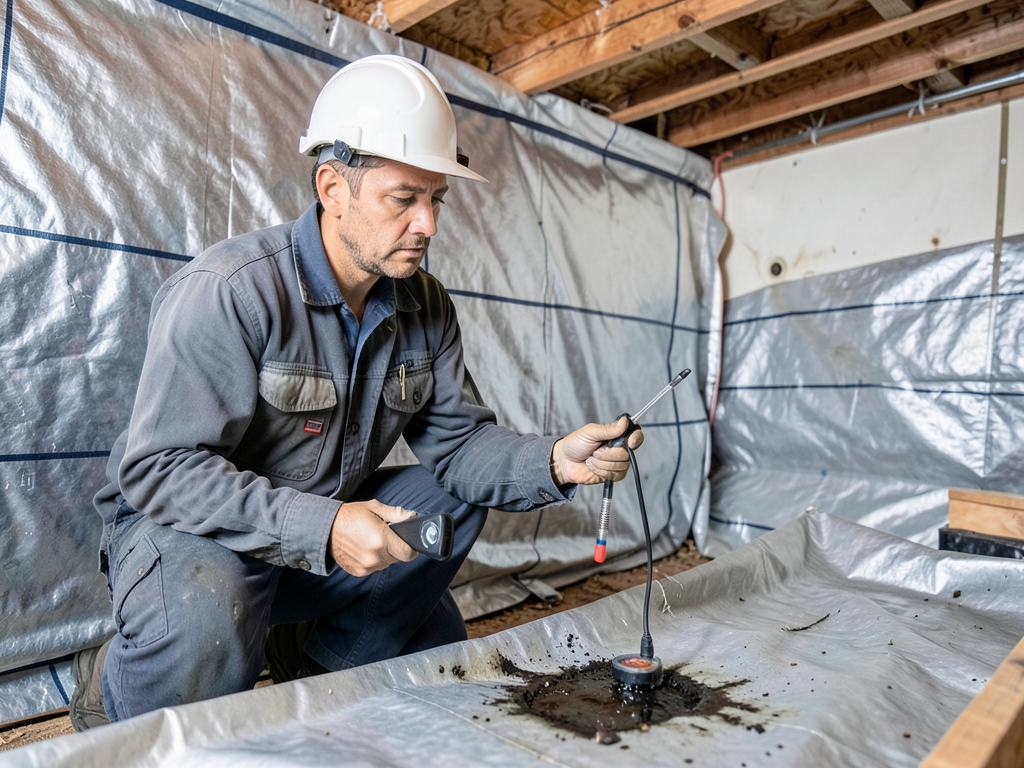
Educational facility water damage restoration requires specialized protocols that standard commercial remediation cannot address. Our approach begins with zone isolation, creating containment barriers that allow unaffected building sections to remain operational while we work. This maintains student access to classrooms, administrative functions, and essential services during the restoration process.
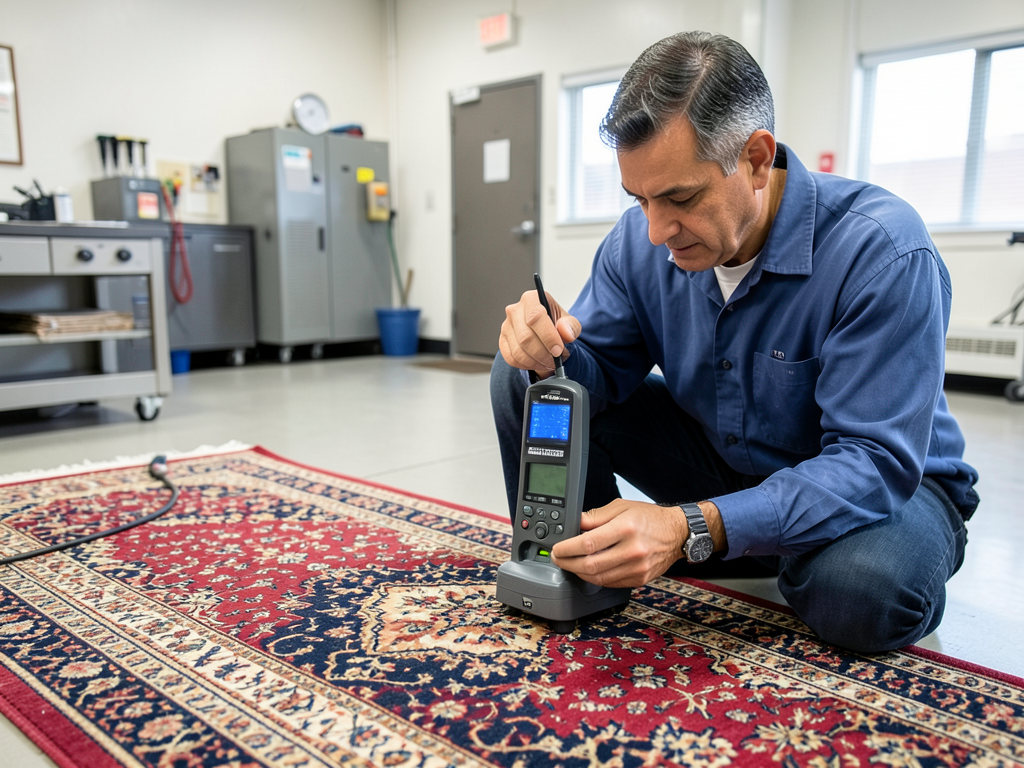
We deploy thermal imaging cameras to map water migration through walls and ceilings, identifying saturation in insulation and structural cavities that visual inspection misses. Moisture meters calibrated for different building materials give us precise readings on concrete, drywall, and wood framing. This data drives our drying strategy, preventing mold colonization that could trigger indoor air quality complaints or ADA accessibility issues.
Industrial desiccant dehumidification systems process thousands of cubic feet per minute, creating negative air pressure that prevents cross-contamination between restoration zones and occupied spaces. HEPA filtration captures particulates generated during demolition, protecting students with respiratory sensitivities. We monitor humidity levels continuously, adjusting equipment to maintain the 30-50% relative humidity range that prevents secondary damage without over-drying materials.
Documentation follows protocols required by insurance carriers and risk management departments. We photograph conditions before intervention, track moisture readings throughout the drying cycle, and provide detailed reports that support claims and demonstrate due diligence. Chain of custody procedures protect sensitive areas like IT infrastructure and research facilities.
Academic building water damage repair often involves coordination with facilities management, campus police, and departmental administrators. Our project managers maintain communication channels that keep stakeholders informed without creating information overload. We schedule work around class schedules, minimize noise during exam periods, and adapt to the unique operational rhythms of educational environments.