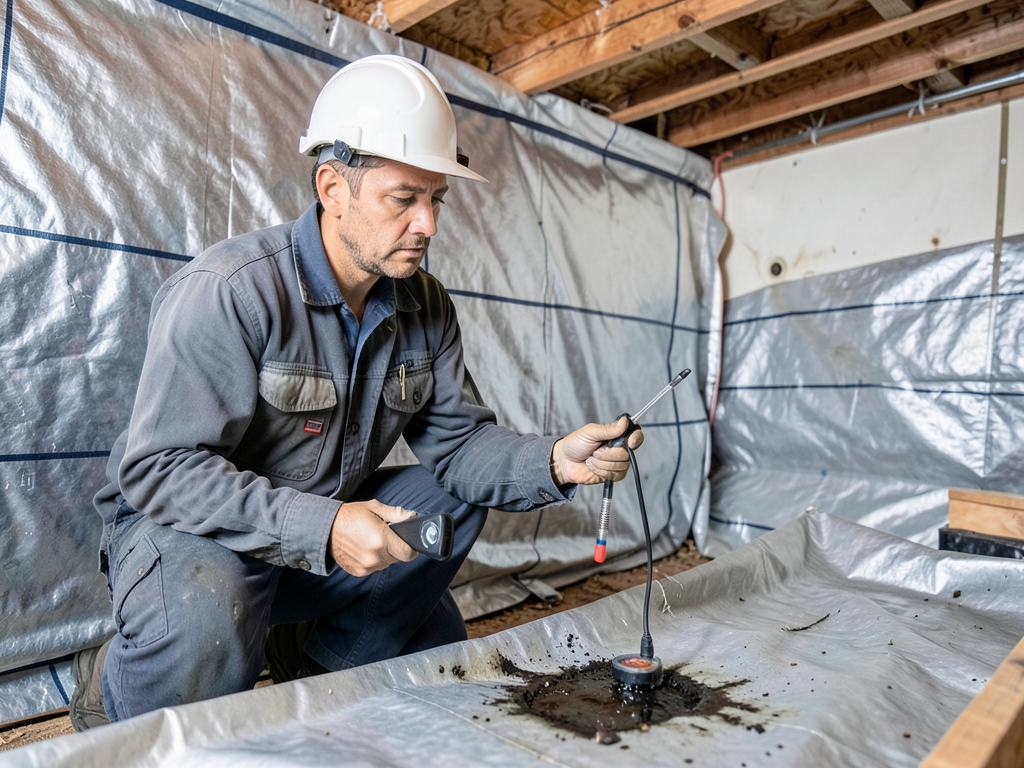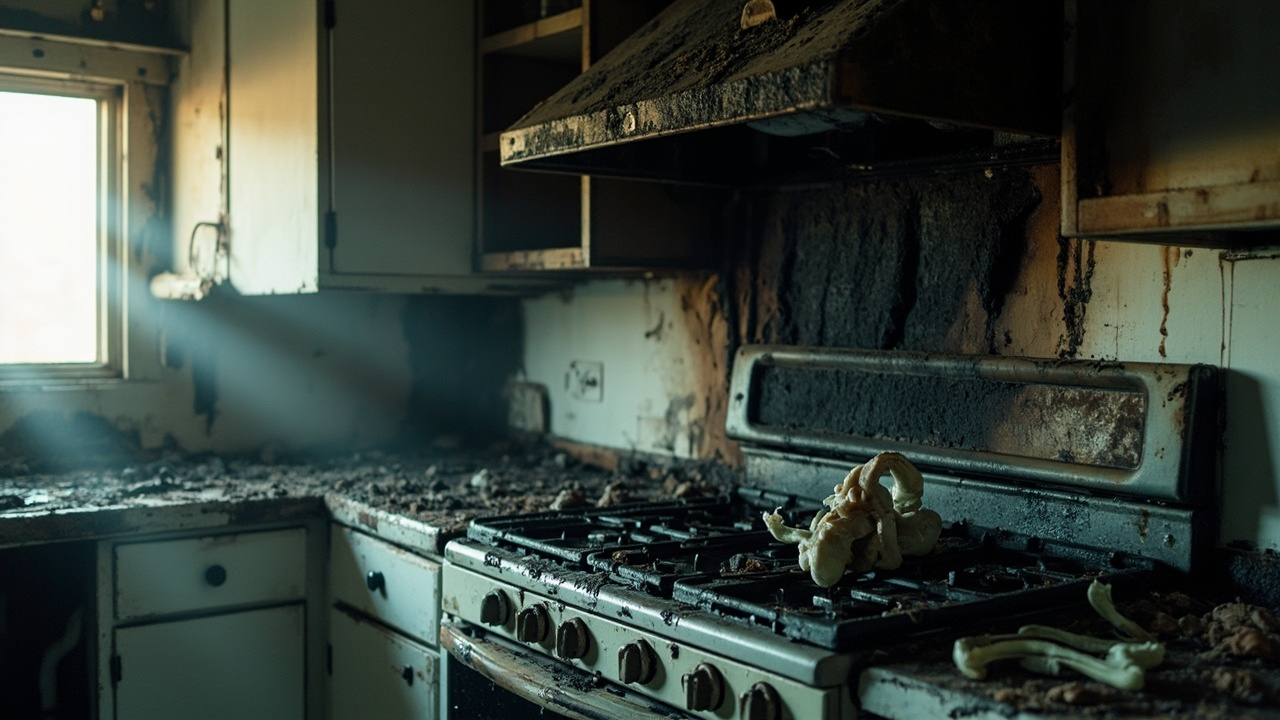


Oklahoma City's average relative humidity ranges from 50% to 75% during spring and summer months, creating accelerated corrosion timelines when acidic soot contacts metal surfaces and rapid microbial colonization on wet organic materials. The region's severe weather patterns mean many properties already carry existing moisture intrusion issues from wind-driven rain or hail damage. When fire suppression water compounds these conditions, restoration becomes more complex than in arid climates. Our protocols account for these regional factors, adjusting drying equipment placement and antimicrobial application based on current weather conditions and seasonal humidity patterns that directly impact restoration outcomes.
Oklahoma City's mix of pre-1950s construction in central neighborhoods and modern development in suburban areas requires adaptable restoration approaches. Older properties feature plaster walls, hardwood subflooring, and balloon framing that present different smoke penetration and water migration patterns than contemporary construction. We maintain relationships with local building inspectors, understand Oklahoma City's permitting requirements, and source materials from regional suppliers who can match historic architectural elements. This local knowledge prevents delays, ensures code compliance, and delivers restoration work that respects your property's original character while meeting current safety standards.