


Moore sits in the heart of Tornado Alley where severe weather delivers catastrophic water damage regularly. The May 2013 EF5 tornado brought devastating rainfall and structural breaches that flooded hundreds of homes. Spring storms dump intense rainfall that overwhelms drainage systems, especially in older neighborhoods near Little River and Hog Creek. Moore's clay soil expands when wet and contracts when dry, cracking foundations and creating pathways for groundwater intrusion. This expansion and contraction cycle stresses plumbing systems, causing pipe failures inside walls and under slabs.
Summer heat pushes AC systems hard. When condensate lines clog or drain pans crack, water pools in attics and crawl spaces. Winter freezes burst pipes in attics and exterior walls. The city's mix of older ranch homes and newer construction means varying levels of water resistance. Properties near the Canadian River face higher water tables and seasonal flooding concerns. Moore's rapid rebuilding after tornado damage means some homes have updated plumbing while neighbors still rely on systems from the 1970s. Water damage hits fast here, and delayed response leads to structural rot, mold growth, and expensive reconstruction.
Alpha Water Damage Restoration Oklahoma City operates with one rule: stop water damage before it spreads. We answer calls 24/7 because water emergencies do not follow business hours. When your sump pump fails at midnight or a storm tears your roof open at dawn, our trucks roll immediately. We maintain full extraction and drying equipment ready to deploy across Moore, from the neighborhoods rebuilding near Plaza Towers to established homes near Westmoore High School.
Our technicians understand Moore's specific water damage patterns. We know how clay soil affects foundation drainage, which neighborhoods flood first during heavy rain, and how local construction methods influence water intrusion. This knowledge speeds diagnosis and prevents guesswork. We use thermal imaging to find hidden moisture in walls and ceilings, moisture meters to verify complete drying, and commercial dehumidifiers that pull humidity from structural cavities. Our process follows IICRC S500 standards for water damage restoration, which means we dry structures completely, not just surface areas.
We work directly with insurance adjusters who serve Moore regularly. We document everything with photos, moisture readings, and detailed scope reports. This documentation speeds claims and prevents disputes. You get one company handling extraction, drying, antimicrobial treatment, and reconstruction coordination. No waiting for multiple contractors. No wondering who handles what. We stay until your home is dry, safe, and restored. Moore families call us because we show up fast, work clean, and finish completely.

We answer emergency calls 24/7 and dispatch crews to Moore properties within hours, not days. Our trucks carry full extraction equipment, air movers, and dehumidifiers ready to deploy. Fast response stops water from spreading through walls, soaking insulation, and saturating subfloors. Every hour we save reduces your total damage and restoration cost.

Surface drying is not enough. We use thermal imaging and moisture meters to find water hiding in wall cavities, under flooring, and inside structural materials. Our commercial dehumidifiers and air movers run until moisture content returns to normal dry standards. Complete drying prevents mold growth, wood rot, and structural failure that appear weeks after incomplete water removal.
We document every step with photos, moisture readings, and detailed reports your insurance adjuster needs. Our technicians work with Moore area adjusters regularly and understand claim requirements. We provide accurate scope reports that prevent disputes and speed approval. You get one company handling documentation, mitigation, and restoration rather than managing multiple contractors through your claim.
We understand how Moore's severe weather creates water damage. Tornado damage, wind-driven rain, hail punctures, and storm surge from intense rainfall require specific response protocols. Our crews know which neighborhoods flood first, how local construction methods influence water intrusion, and what works for Moore's clay soil conditions. This local knowledge speeds mitigation and prevents mistakes.
Water damage comes from dozens of sources and requires different response protocols. Storm flooding carries contamination and requires sanitization. Clean water from pipe breaks needs fast extraction but different treatment than sewage backups. Alpha Water Damage Restoration Oklahoma City handles every water emergency Moore properties face.
We start with immediate water removal using truck-mounted extractors and portable pumps. Standing water gets removed first, then we address moisture in walls, ceilings, and structural cavities. Our thermal imaging cameras detect water you cannot see. Moisture meters verify complete drying before we stop equipment. We treat affected areas with antimicrobial solutions that prevent mold growth. When needed, we coordinate reconstruction from drywall replacement to complete interior rebuilding. Every service follows IICRC standards and focuses on returning your home to safe, dry conditions. Whether you need emergency extraction at 2 AM or complete reconstruction after tornado damage, we handle the full scope of water damage remediation from first response through final restoration.
When water floods your home, immediate removal limits damage. Our crews arrive with truck-mounted extractors and portable pumps that remove standing water fast. We extract water from carpets, pull soaked padding, and remove water-damaged materials that cannot be saved. Emergency extraction includes initial moisture mapping, documenting damage for insurance, and deploying air movers and dehumidifiers to start structural drying. Fast water removal prevents secondary damage and reduces restoration costs.
Water hides in structural cavities where surface drying cannot reach it. We use thermal imaging to map hidden moisture, then deploy commercial dehumidifiers and air movers positioned for maximum drying efficiency. Our technicians monitor moisture levels daily until readings return to normal dry standards. Structural drying prevents mold growth, wood rot, and material failure that appear weeks after water events. Complete drying takes days, not hours, and requires professional equipment and monitoring.
Moore storm damage creates complex water intrusion from roof breaches, broken windows, and wind-driven rain penetration. Storm water often carries contamination requiring sanitization protocols beyond standard water cleanup. We secure properties with emergency board-up, extract storm water, treat contaminated areas with antimicrobial solutions, and dry structural materials completely. Storm restoration includes coordinating with insurance adjusters who assess wind damage, water damage, and necessary reconstruction. We handle the complete recovery from emergency response through rebuilding.
Moore's location in central Oklahoma creates specific water damage patterns homeowners face repeatedly. Severe weather brings obvious flooding, but slower problems cause extensive damage over time. Clay soil movement cracks foundations and stresses plumbing. Temperature extremes stress building materials. Older infrastructure fails without warning. Understanding these common problems helps homeowners recognize water damage early.
Properties near Little River and Hog Creek face seasonal flooding during spring storms. Homes built before updated drainage codes struggle with water management during intense rainfall. The 2013 tornado destruction and rebuilding means some neighborhoods have modern water-resistant construction while others maintain older vulnerable systems. AC condensate problems appear every summer. Foundation cracks from soil movement let groundwater seep into basements and crawl spaces. Recognizing these patterns helps catch water damage before it spreads through walls and causes structural problems.
Moore severe weather tears roofs open, breaks windows, and drives rain through exterior walls. Tornado damage creates immediate flooding that soaks insulation, drywall, and structural lumber. Wind-driven rain penetrates exterior walls through the smallest gaps. Storm water often carries contamination requiring specialized cleanup. Emergency response within hours prevents water from spreading through wall cavities and causing extensive hidden damage.
Clay soil expands when wet and shrinks when dry, cracking foundations and basement walls. These cracks let groundwater seep into basements and crawl spaces during wet periods. Water wicks up concrete and into wall framing, causing hidden moisture problems. Foundation water intrusion appears slowly but causes serious structural damage over time. Professional moisture detection finds hidden water before rot develops.
Oklahoma temperature swings stress plumbing systems. Winter freezes burst pipes in attics and exterior walls. Aging galvanized pipes corrode and fail without warning. Water heater leaks flood utility rooms and soak adjacent spaces. Slab leak detection requires specialized equipment because water damage appears far from the actual pipe failure. Fast water removal and structural drying prevent extensive reconstruction after plumbing failures.
Summer heat pushes air conditioning systems hard. Clogged condensate lines cause drain pans to overflow, pouring water into attics and ceilings. Cracked drain pans leak slowly, saturating insulation and ceiling materials over weeks. Attic water damage often goes unnoticed until ceilings stain or sag. HVAC water problems require finding the source, repairing the system, and drying structural materials completely to prevent mold growth.
Water emergencies create panic. Your home is flooding and you need help now. When you call Alpha Water Damage Restoration Oklahoma City, we answer immediately and dispatch crews fast. Our intake process takes minutes. We ask about your water source, how much water you see, and which areas are affected. This information helps us bring the right equipment and arrive prepared to start work immediately.
You get a clear timeline for arrival and straightforward information about what happens next. Our technicians arrive with extraction equipment, moisture detection tools, and drying equipment ready to deploy. We walk you through the process, explain what we find, and keep you informed at every step. No confusion. No surprises. Just clear communication and professional water damage restoration that gets your home dry and safe.
We answer emergency calls 24/7 and dispatch crews to Moore properties within hours. When you call, you speak with someone immediately, not an answering service. We gather essential information about your water emergency and provide a clear arrival timeline. Our trucks stay stocked with extraction equipment, air movers, dehumidifiers, and moisture detection tools. Fast dispatch means we stop water from spreading through your home and prevent secondary damage.
Our technicians assess all affected areas using thermal imaging and moisture meters. We document damage with photos, detailed notes, and moisture readings your insurance company needs. You receive a clear explanation of what happened, what needs to happen next, and how long restoration will take. We provide written scope reports detailing equipment placement, drying goals, and expected timeline. Clear documentation prevents insurance disputes and keeps everyone informed.
We do not leave until your home is completely dry. Our equipment runs until moisture meters confirm all materials have returned to normal dry standards. Daily monitoring tracks drying progress and ensures our approach works effectively. Final verification includes checking hidden areas where moisture hides. You receive final documentation showing your home is dry and safe. If reconstruction is needed, we coordinate qualified contractors and manage the entire restoration process.
Water damage restoration follows proven protocols that stop damage, remove moisture, and prevent secondary problems. Our three-phase approach addresses immediate emergencies first, then focuses on complete structural drying, and finishes with verification and restoration coordination.
We extract standing water immediately using truck-mounted pumps and portable extractors. Carpet and padding get pulled if soaked beyond saving. We remove water-damaged materials that cannot be dried effectively. Initial moisture mapping identifies all affected areas including hidden water in walls and cavities. Emergency extraction stops water from spreading and prepares surfaces for structural drying. We deploy air movers and dehumidifiers before leaving your property to start the drying process immediately.
Commercial dehumidifiers and air movers run continuously to pull moisture from structural materials. Our technicians return daily to monitor moisture levels and adjust equipment placement for maximum efficiency. Thermal imaging tracks drying progress in wall cavities and hidden areas. Antimicrobial treatments prevent mold growth during the drying process. Structural drying takes several days depending on materials affected and moisture levels. We keep equipment running until moisture meters confirm complete drying.
Final moisture readings verify all materials have returned to normal dry standards. We document completion with photos and final moisture reports for your insurance claim. If reconstruction is needed, we coordinate qualified contractors for drywall replacement, painting, flooring installation, and finish work. You get one company managing the entire restoration from emergency response through final rebuilding. Final walkthrough ensures you are satisfied with all work before we close your project.
Professional water damage restoration follows standards established by the Institute of Inspection, Cleaning and Restoration Certification. The IICRC S500 Standard and Reference Guide for Professional Water Damage Restoration defines proper protocols for water classification, structural drying, and contamination treatment. These standards exist because improper water damage cleanup causes mold growth, structural failure, and indoor air quality problems that appear weeks or months after the water event.
Water gets classified into three categories based on contamination level. Category 1 is clean water from supply lines or rainfall. Category 2 is gray water containing some contamination from appliances or toilet overflow. Category 3 is black water from sewage or flooding that carries serious contamination and requires specialized cleanup protocols. Moore storm water typically qualifies as Category 3 because it picks up contamination from soil, streets, and drainage systems. Each category requires different treatment approaches and safety equipment.
Structural drying requires reducing moisture content in affected materials to normal levels before mold grows. Different materials dry at different rates. Drywall dries faster than wood framing. Carpet padding rarely dries effectively and usually requires removal. Professional restoration companies use moisture meters to measure water content in materials and psychrometers to measure humidity levels. Complete drying means materials return to their moisture content before the water damage occurred, typically 12 to 15 percent for wood framing and less than one percent for concrete. Surface drying is not enough because moisture trapped in wall cavities causes hidden damage.
Oklahoma does not require licensing for water damage restoration companies, which means homeowners must verify company qualifications themselves. Look for IICRC certification, which requires technicians to complete training in water damage restoration principles, structural drying, and applied microbial remediation. Insurance companies prefer working with certified restoration companies because documented training and standard procedures reduce claim disputes. Proper water damage restoration protects your home's structural integrity and prevents long-term problems that cost far more than the initial water damage.
The IICRC S500 standard defines proper water damage restoration procedures including water classification, drying goals, and moisture measurement protocols. IICRC certification requires completing training courses and passing exams covering water damage principles, psychrometry, and applied structural drying. Certified technicians understand how moisture behaves in building materials and use proven methods to achieve complete drying. Insurance adjusters recognize IICRC standards and accept documentation from certified restoration companies without dispute.
Clean water from supply lines requires extraction and drying. Gray water from appliances needs antimicrobial treatment during drying. Black water from sewage or storm flooding requires contamination protocols including protective equipment, specialized cleaning agents, and disposal of porous materials that cannot be sanitized. Moore storm water typically qualifies as Category 3 black water because it carries contamination from streets, soil, and drainage systems. Proper classification determines treatment methods and safety requirements.
Professional water damage restoration requires measuring moisture content in affected materials before, during, and after drying. Moisture meters measure water content in wood, drywall, and other materials. Psychrometers measure air humidity and temperature to calculate drying conditions. Complete drying means materials return to pre-loss moisture content, typically 12 to 15 percent for wood framing. Daily moisture readings track drying progress and verify equipment placement works effectively. Final verification prevents hidden moisture that causes mold growth later.
Mold grows within 48 to 72 hours in moist environments. Fast water removal and complete structural drying prevent mold growth after water damage. Antimicrobial treatments applied during drying inhibit mold and bacteria growth on affected surfaces. Category 2 and Category 3 water require antimicrobial treatment because contamination provides nutrients for microbial growth. Professional restoration includes treating all affected surfaces and achieving complete drying before mold has time to establish colonies.
This video explains professional water damage restoration services for Moore, Oklahoma homeowners. Learn about emergency water extraction, structural drying protocols, IICRC standards, and why Moore properties face constant water damage threats from severe weather and clay soil conditions. Alpha Water Damage Restoration Oklahoma City demonstrates proper water damage cleanup methods, moisture detection techniques, and complete restoration processes that prevent mold growth and structural problems after flooding events.
Alpha Water Damage Restoration Oklahoma City serves all Moore neighborhoods and surrounding Cleveland County areas. We respond to water emergencies throughout the communities rebuilding after tornado damage near Plaza Towers Elementary and Briarwood Elementary. Properties in the established neighborhoods around Westmoore High School call us for pipe burst cleanup and storm damage restoration. We serve homes near the Warren Theatre district, families living near Central Middle School, and properties throughout the expanding developments along Santa Fe Avenue.
Moore's location just south of Oklahoma City means we reach properties quickly from our service area. We know the neighborhoods near Little River that face seasonal flooding during spring storms. Homes around Hog Creek deal with drainage challenges during intense rainfall. The older ranch-style homes west of Broadway require different restoration approaches than newer construction in the eastern developments. Properties near the Canadian River face higher water tables and specific foundation moisture concerns.
We serve Norman to the south, where Oklahoma clay soil creates similar foundation and drainage problems. Midwest City and Del City to the north call us for emergency water extraction and structural drying. Our Cleveland County coverage extends throughout the area where severe weather creates constant water damage threats. Moore sits in the heart of our service territory, which means fast response times when you need emergency help. Whether you live near the rebuilt Plaza Towers area, in the neighborhoods around Southmoore High School, or in the residential areas near Santa Fe Avenue, we arrive quickly with full equipment ready to start water removal immediately. We understand Moore's specific water damage patterns from years of serving families throughout the community, and we bring that local knowledge to every emergency response.
Water damage restoration in Moore addresses flooding, leaks, and moisture problems in homes and businesses. The process includes water extraction, drying, dehumidification, and repairs to prevent mold growth and structural damage. Moore experiences severe weather, including tornadoes and flash floods, making quick response essential. Professional restoration teams use industrial equipment to remove water and moisture from walls, floors, and ceilings. They assess damage severity, document losses for insurance claims, and restore your property to pre-damage condition. Time matters because water spreads quickly and causes more damage each hour. Most restoration companies in Moore offer 24/7 emergency services to protect your property.
Water damage falls into three categories based on contamination level. Category 1 is clean water from supply lines or rain. Category 2 is gray water from appliances like washing machines or dishwashers. Category 3 is black water from sewage or flooding, containing harmful bacteria and pathogens. Each category requires different safety protocols and cleaning methods. Clean water becomes contaminated within 48 hours if not removed. Gray and black water need specialized disinfection and disposal methods. Moore restoration professionals assess your water type and follow industry standards for safe cleanup. Your safety depends on proper categorization and handling.
Most water damage restoration in Moore takes three to five days for basic scenarios. Simple cases with minimal water spread finish faster. Extensive flooding or sewage backups need one to two weeks. The timeline depends on water volume, affected square footage, and material types. Carpets dry in 12 to 24 hours with proper equipment. Drywall needs two to three days. Hardwood floors require up to two weeks. Structural repairs add time after drying completes. Humidity levels and air circulation affect drying speed. Your restoration team provides a specific timeline after inspecting your property and measuring moisture levels throughout affected areas.
Water damage restoration in Moore addresses flooding, leaks, and moisture problems in homes and businesses. The process includes water extraction, drying, dehumidification, and repairs to prevent mold growth and structural damage. Moore experiences severe weather, including tornadoes and flash floods, making quick response essential. Professional restoration teams use industrial equipment to remove water and moisture from walls, floors, and ceilings. They assess damage severity, document losses for insurance claims, and restore your property to pre-damage condition. Time matters because water spreads quickly and causes more damage each hour. Most restoration companies in Moore offer 24/7 emergency services to protect your property.
Water damage falls into three categories based on contamination level. Category 1 is clean water from supply lines or rain. Category 2 is gray water from appliances like washing machines or dishwashers. Category 3 is black water from sewage or flooding, containing harmful bacteria and pathogens. Each category requires different safety protocols and cleaning methods. Clean water becomes contaminated within 48 hours if not removed. Gray and black water need specialized disinfection and disposal methods. Moore restoration professionals assess your water type and follow industry standards for safe cleanup. Your safety depends on proper categorization and handling.
Most water damage restoration in Moore takes three to five days for basic scenarios. Simple cases with minimal water spread finish faster. Extensive flooding or sewage backups need one to two weeks. The timeline depends on water volume, affected square footage, and material types. Carpets dry in 12 to 24 hours with proper equipment. Drywall needs two to three days. Hardwood floors require up to two weeks. Structural repairs add time after drying completes. Humidity levels and air circulation affect drying speed. Your restoration team provides a specific timeline after inspecting your property and measuring moisture levels throughout affected areas.
Act immediately when you find water damage. First, stop the water source if possible. Turn off electricity to affected areas to prevent shock hazards. Move furniture and belongings to dry areas. Remove standing water with towels or a wet vacuum if safe. Open windows for ventilation if weather permits. Document everything with photos and videos for insurance claims. Call a Moore restoration company within the first hour. Do not use regular vacuums on water. Avoid walking through contaminated water. Remove wet rugs and fabrics. Time is your enemy because mold starts growing within 24 to 48 hours of water exposure.
Water damage repairs depend on your insurance policy coverage and deductible. Most homeowner policies cover sudden and accidental water damage like burst pipes or appliance malfunctions. They typically exclude gradual damage from neglected maintenance or flooding from natural disasters. Flood insurance requires a separate policy through the National Flood Insurance Program. Your deductible applies before coverage begins. Document all damage thoroughly with photos and receipts. Moore restoration companies work directly with insurance adjusters and help file claims. They provide detailed estimates and damage reports. Review your policy to understand coverage limits, exclusions, and claim filing deadlines before disaster strikes.
Mold grows within 24 to 48 hours after water damage occurs. It thrives in dark, damp environments with poor ventilation. Mold spreads through airborne spores and grows on wood, drywall, carpet, and insulation. You need professional remediation if mold covers more than 10 square feet. Health effects include respiratory issues, allergies, and skin irritation. Moore's humid climate accelerates mold growth after water events. Prevention requires complete drying and dehumidification within 48 hours. Professionals use moisture meters to confirm complete drying before sealing walls. Never paint over mold or cover affected areas without proper remediation. Hidden mold behind walls causes ongoing problems if untreated.
Choose a water damage restoration company in Moore with IICRC certification. Check online reviews on Google and Better Business Bureau. Ask for references from recent customers. Verify the company offers 24/7 emergency response. Confirm they have experience with insurance claims and provide detailed documentation. Look for companies using professional-grade equipment like industrial dehumidifiers and thermal imaging cameras. Ask about their process, timeline, and what services they include. Get written estimates from multiple companies. Avoid companies demanding full payment upfront. Local Moore companies understand regional weather patterns and common damage types. Response time matters, so choose a company with nearby offices and available crews.
Restoration professionals use commercial-grade equipment including truck-mounted water extractors, industrial dehumidifiers, and high-speed air movers. Thermal imaging cameras detect hidden moisture in walls and ceilings. Moisture meters measure water content in materials. Hygrometers monitor humidity levels throughout drying. Air scrubbers remove odors and airborne contaminants. Submersible pumps remove standing water from basements. Professionals also use antimicrobial treatments to prevent bacterial growth. This equipment costs thousands of dollars and requires training to operate effectively. Proper equipment placement and monitoring ensure complete drying and prevent secondary damage. Moore restoration companies invest in top-tier equipment for faster, more thorough results than consumer-grade tools provide.
Prevent water damage by inspecting your roof twice yearly for damaged shingles or leaks. Clean gutters and downspouts every spring and fall. Check appliance hoses for wear and replace them every five years. Install water leak detectors near water heaters, washing machines, and under sinks. Know where your main water shutoff valve is located. Insulate pipes in unheated areas to prevent freezing. Grade soil away from your foundation. Seal basement walls and install a sump pump if needed. Test your sump pump quarterly. Trim trees near your home to prevent storm damage. Regular maintenance catches small problems before they become expensive disasters.
Standing water weakens floor joists and subflooring. It deteriorates drywall and causes it to crumble. Wood framing absorbs moisture and rots over time. Electrical systems become fire hazards when exposed to water. Insulation loses effectiveness when wet and requires replacement. Foundations develop cracks from hydrostatic pressure and soil shifting. Metal components rust and corrode. Your home loses structural integrity as materials weaken. Moore's clay soil expands when wet, adding foundation pressure. Structural repairs after prolonged water exposure cost significantly more than immediate restoration. Professional assessment identifies hidden structural damage before it becomes dangerous. Never ignore water damage regardless of the source or volume.
Act immediately when you find water damage. First, stop the water source if possible. Turn off electricity to affected areas to prevent shock hazards. Move furniture and belongings to dry areas. Remove standing water with towels or a wet vacuum if safe. Open windows for ventilation if weather permits. Document everything with photos and videos for insurance claims. Call a Moore restoration company within the first hour. Do not use regular vacuums on water. Avoid walking through contaminated water. Remove wet rugs and fabrics. Time is your enemy because mold starts growing within 24 to 48 hours of water exposure.
Water damage repairs depend on your insurance policy coverage and deductible. Most homeowner policies cover sudden and accidental water damage like burst pipes or appliance malfunctions. They typically exclude gradual damage from neglected maintenance or flooding from natural disasters. Flood insurance requires a separate policy through the National Flood Insurance Program. Your deductible applies before coverage begins. Document all damage thoroughly with photos and receipts. Moore restoration companies work directly with insurance adjusters and help file claims. They provide detailed estimates and damage reports. Review your policy to understand coverage limits, exclusions, and claim filing deadlines before disaster strikes.
Mold grows within 24 to 48 hours after water damage occurs. It thrives in dark, damp environments with poor ventilation. Mold spreads through airborne spores and grows on wood, drywall, carpet, and insulation. You need professional remediation if mold covers more than 10 square feet. Health effects include respiratory issues, allergies, and skin irritation. Moore's humid climate accelerates mold growth after water events. Prevention requires complete drying and dehumidification within 48 hours. Professionals use moisture meters to confirm complete drying before sealing walls. Never paint over mold or cover affected areas without proper remediation. Hidden mold behind walls causes ongoing problems if untreated.
Choose a water damage restoration company in Moore with IICRC certification. Check online reviews on Google and Better Business Bureau. Ask for references from recent customers. Verify the company offers 24/7 emergency response. Confirm they have experience with insurance claims and provide detailed documentation. Look for companies using professional-grade equipment like industrial dehumidifiers and thermal imaging cameras. Ask about their process, timeline, and what services they include. Get written estimates from multiple companies. Avoid companies demanding full payment upfront. Local Moore companies understand regional weather patterns and common damage types. Response time matters, so choose a company with nearby offices and available crews.
Restoration professionals use commercial-grade equipment including truck-mounted water extractors, industrial dehumidifiers, and high-speed air movers. Thermal imaging cameras detect hidden moisture in walls and ceilings. Moisture meters measure water content in materials. Hygrometers monitor humidity levels throughout drying. Air scrubbers remove odors and airborne contaminants. Submersible pumps remove standing water from basements. Professionals also use antimicrobial treatments to prevent bacterial growth. This equipment costs thousands of dollars and requires training to operate effectively. Proper equipment placement and monitoring ensure complete drying and prevent secondary damage. Moore restoration companies invest in top-tier equipment for faster, more thorough results than consumer-grade tools provide.
Prevent water damage by inspecting your roof twice yearly for damaged shingles or leaks. Clean gutters and downspouts every spring and fall. Check appliance hoses for wear and replace them every five years. Install water leak detectors near water heaters, washing machines, and under sinks. Know where your main water shutoff valve is located. Insulate pipes in unheated areas to prevent freezing. Grade soil away from your foundation. Seal basement walls and install a sump pump if needed. Test your sump pump quarterly. Trim trees near your home to prevent storm damage. Regular maintenance catches small problems before they become expensive disasters.
Standing water weakens floor joists and subflooring. It deteriorates drywall and causes it to crumble. Wood framing absorbs moisture and rots over time. Electrical systems become fire hazards when exposed to water. Insulation loses effectiveness when wet and requires replacement. Foundations develop cracks from hydrostatic pressure and soil shifting. Metal components rust and corrode. Your home loses structural integrity as materials weaken. Moore's clay soil expands when wet, adding foundation pressure. Structural repairs after prolonged water exposure cost significantly more than immediate restoration. Professional assessment identifies hidden structural damage before it becomes dangerous. Never ignore water damage regardless of the source or volume.
Alpha Water Damage Restoration proudly serves Oklahoma City and the surrounding communities, including Edmond, Norman, Moore, and Yukon. Review the map below to see our primary service area. We are always ready to dispatch our 24/7 emergency teams to your location, ensuring you receive the fastest, most reliable local water damage expertise available.
Address:
Moore, OK, 73160
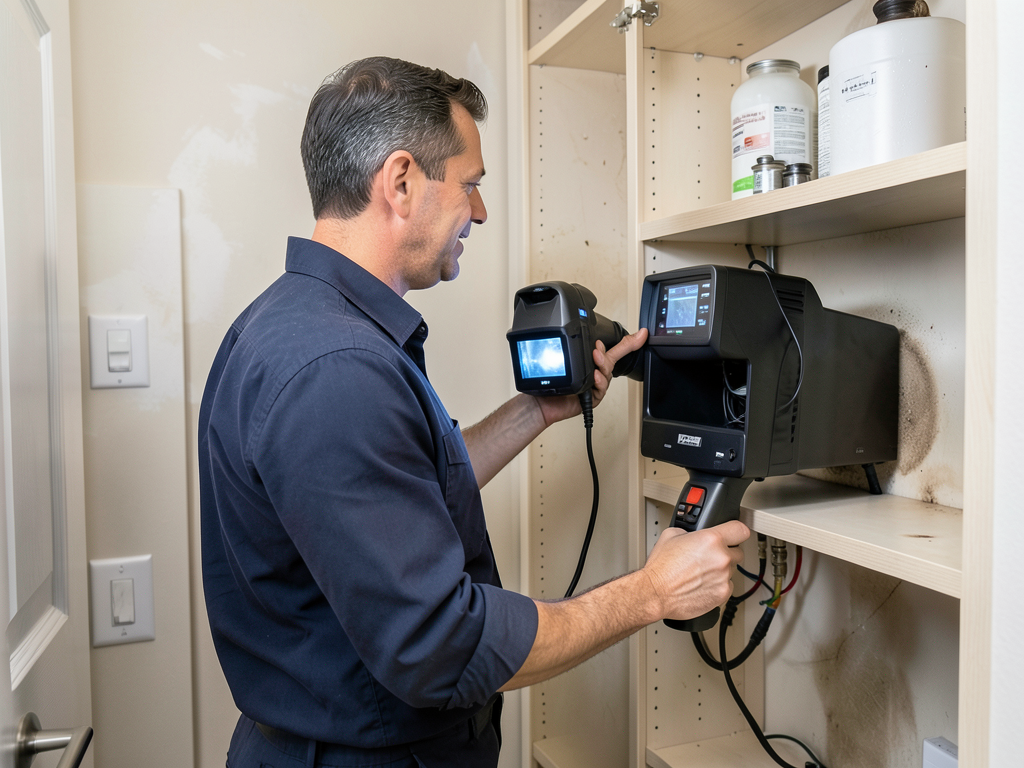
The Hidden Risk of Hot Water Recirculating Pumps in Lone Oak Luxury Homes When hot water recirculating pumps fail in Lone Oak luxury homes, the damage spreads faster than you might expect. These systems, designed…
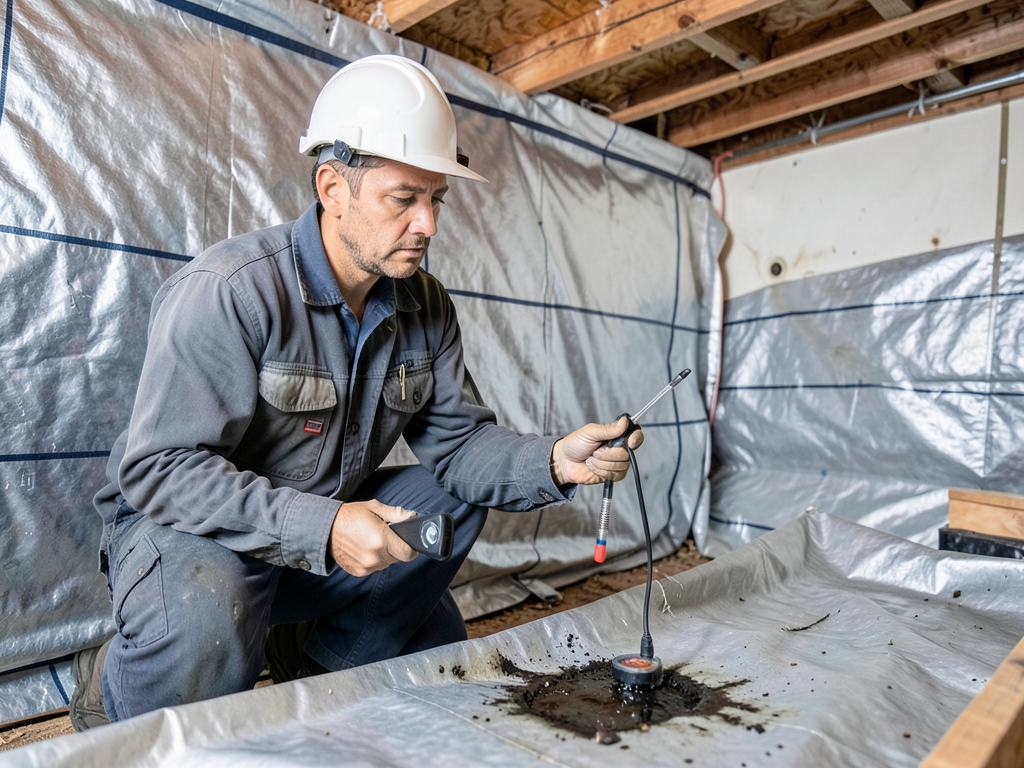
What Happens When Your Encapsulated Crawl Space Floods in Spencer? Your sealed crawl space is…

Why Your Twin Hills French Drain System Might Still Lead to a Flooded Basement\nIf you…
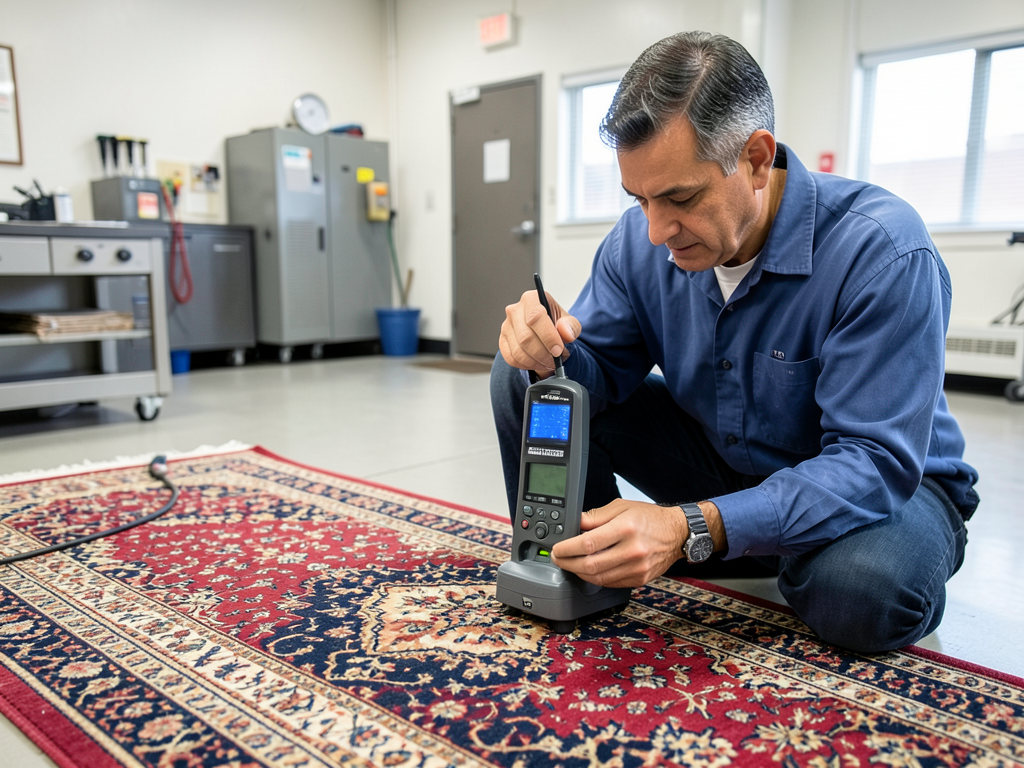
Salvaging High End Persian and Oriental Rugs After a Flood in Gaillardia When water invades…
Water damage spreads every hour you wait. Call Alpha Water Damage Restoration Oklahoma City now at (405) 507-4400 for immediate dispatch to your Moore property. We answer 24/7 and arrive with full extraction and drying equipment ready to stop damage fast.