menu

Categories of Water in Oklahoma City – Know the Contamination Level Before You Touch Anything

Understanding IICRC water categories protects your family and property from hidden health risks after flooding, sewage backups, or storm damage throughout the Oklahoma City metro.

Slider Image 1
Slider Image 2
Slider Image 3
Slider Image 4
Slider Image 5
Slider Image 7
Slider Image 8
Slider Image 9
Slider Image 10
Slider Image 11

Why Water Classification Matters in Oklahoma City

Not all water is the same. After a pipe bursts in Nichols Hills or a storm floods your Moore basement, the water itself carries a contamination level that determines how you respond. Touch the wrong water without protection and you risk serious infection. Try to clean it yourself and you spread pathogens deeper into porous materials.

The IICRC defines three water damage categories based on contamination. Category 1 is clean water from a supply line. Category 2 is gray water containing detergents or urine. Category 3 is black water, grossly contaminated with sewage or floodwater. Oklahoma City's clay soil and aging infrastructure make Category 3 events common. Spring storms overwhelm aging sewer systems in neighborhoods like Capitol Hill and Crown Heights. The Canadian River floods low-lying areas near Riverside. That floodwater carries bacteria, chemicals, and raw waste.

Most homeowners think any water can be mopped up. They see a wet floor and grab towels. But water quality classifications exist because the health risks escalate fast. Gray water turns to black water in 48 hours as bacteria multiply. Black water requires full PPE, antimicrobial treatment, and often demolition of affected materials. Drywall, insulation, and subflooring become biohazard waste.

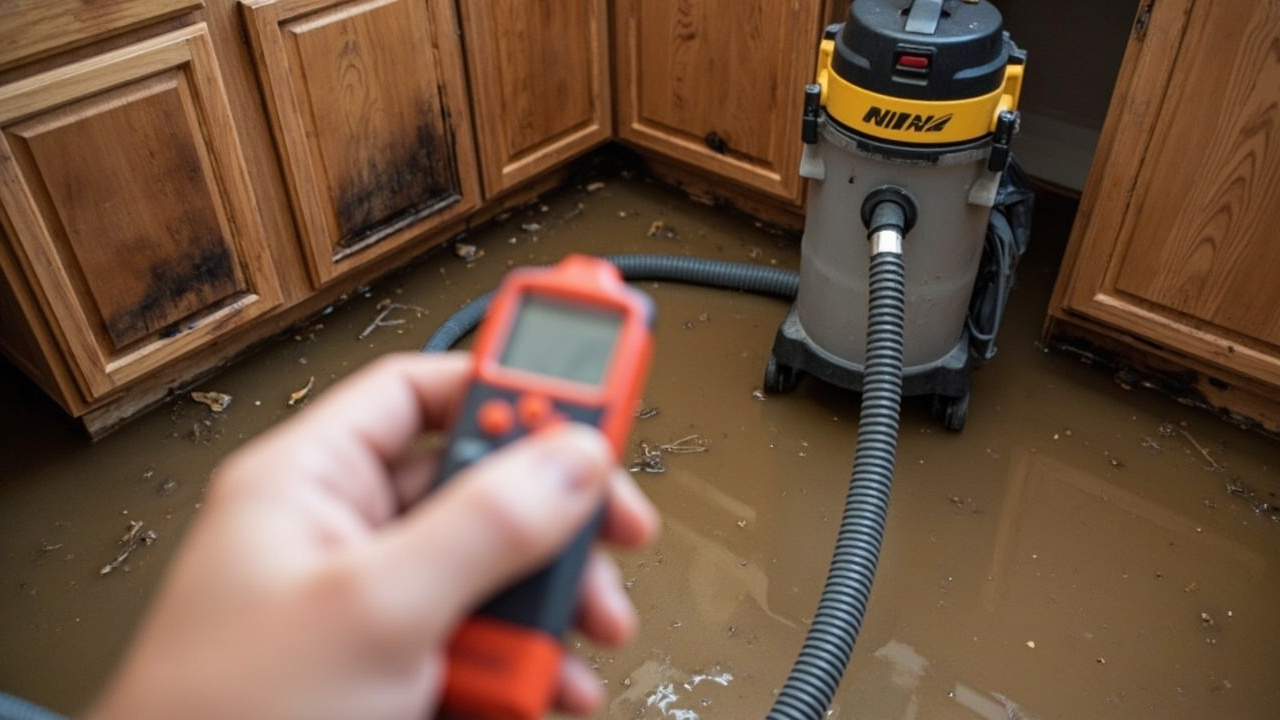
Water contamination levels dictate the response protocol. You cannot clean Category 3 water with a shop vac. You need containment, proper disposal, and EPA-registered disinfectants. Liberty Water Damage Restoration Riverside follows IICRC standards to protect Oklahoma City residents from exposure to contaminated materials.

Why Water Classification Matters in Oklahoma City
How We Classify and Respond to Water Types

How We Classify and Respond to Water Types

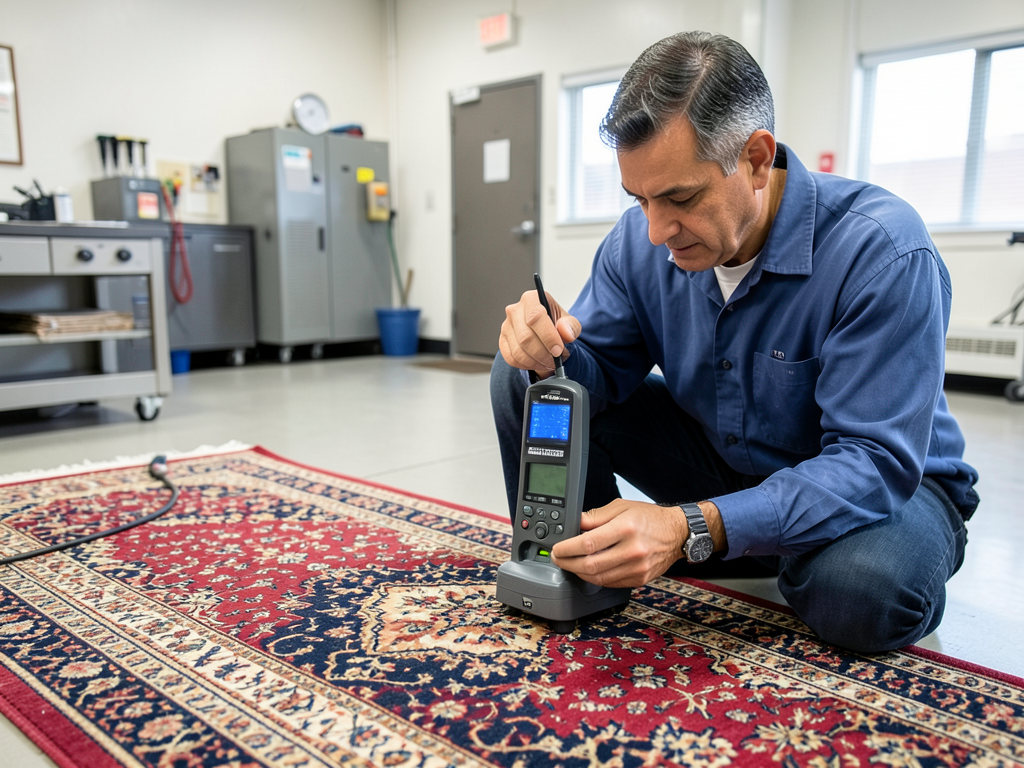
We test and classify water damage categories on site before any extraction begins. A moisture meter and visual inspection tell us source and spread. We identify the origin point, trace the flow path, and sample if needed. Category 1 water from a broken supply line gets extracted and dried with standard equipment. Category 2 water from a washing machine overflow gets treated with antimicrobial agents after extraction. Category 3 water triggers our full contamination protocol.

For black water events, we establish containment barriers using plastic sheeting and negative air pressure. This prevents airborne pathogens from spreading to unaffected rooms. We remove all porous materials that contacted the water. Carpet, pad, drywall below the waterline, and insulation go into sealed bags for disposal. Non-porous surfaces like tile and sealed concrete get scrubbed with hospital-grade disinfectants.

We use thermal foggers to treat airborne bacteria and odor-causing compounds. HEPA air scrubbers run continuously during the process to capture spores and particulates. After material removal and disinfection, we verify moisture levels in studs and subfloors using penetrating meters. Any reading above 15 percent means we keep drying.

Types of water contamination dictate PPE requirements. Our technicians wear Tyvek suits, respirators, and nitrile gloves for Category 3 work. We document every step with photos and moisture logs for your insurance claim. You get a detailed report showing water categories, affected materials, and our remediation process. This documentation proves you followed proper protocols and protects you from future liability if mold appears later.

What Happens During a Water Category Assessment

Categories of Water in Oklahoma City – Know the Contamination Level Before You Touch Anything
01

Source Identification and Classification

We trace the water to its origin point and classify it under IICRC standards. A supply line break is Category 1. A toilet overflow is Category 3. We check for cross-contamination where clean water flowed through dirty areas. This determines our safety protocols, equipment choices, and disposal requirements. You get a written classification within the first 30 minutes on site.
02

Contamination Testing and Mapping

We map the spread using thermal imaging and moisture meters. Contaminated water migrates through wall cavities and under flooring. We mark affected zones with tape and document moisture readings in multiple spots. If the category is unclear, we take samples for lab testing. This map guides our containment strategy and ensures we address hidden pockets of contamination.
03

Protocol Assignment and Documentation

Based on the water category, we assign the appropriate remediation protocol. You receive a scope of work detailing materials to be removed, disinfection methods, and drying timelines. We photograph the classification evidence and moisture readings for your insurance adjuster. This documentation proves the category determination and justifies the response level, protecting you from claim disputes later.

Why Local Expertise Matters for Water Classification

Oklahoma City's water damage patterns are predictable if you know the area. Older homes in Heritage Hills have cast iron sewer lines that crack and leak sewage into crawl spaces. Ranch-style homes in Warr Acres have slab foundations where water migrates under tile and sits against drywall for days. The clay soil here expands when wet and contracts when dry, cracking foundation walls and letting groundwater seep in during spring rains.

We know which neighborhoods flood during storms. Areas near the North Canadian River see Category 3 floodwater during heavy rain events. Properties near Lake Hefner deal with wind-driven rain that penetrates old window seals and creates Category 2 contamination from insulation runoff. New developments in Edmond have construction defects where improperly sealed shower pans leak gray water into wall cavities.

Liberty Water Damage Restoration Riverside trains on local building codes and common failure points in Oklahoma City structures. We know the difference between a clean water event that needs drying and a contaminated water event that needs demolition. This prevents under-response that leaves you with mold or over-response that costs unnecessary money.

Local adjusters trust our classifications because we document with precision. We speak the same language as Oklahoma City inspectors and follow the same IICRC protocols they expect. When we say a job is Category 3, we show them the source photos and moisture maps. No guesswork. No disputes. Just clear evidence that drives claim approvals and gets you paid faster.

You cannot trust water classification to a company that treats every event the same. The contamination level determines the health risk and the cost. Get it wrong and you either waste money or put your family in danger.

What to Expect When You Call for Water Category Help

Response Time and Availability

We answer your call 24 hours a day and arrive within 60 to 90 minutes in the Oklahoma City metro. Water categories can change fast. Category 1 water becomes Category 2 after 48 hours of stagnation as bacteria colonize. We get there quickly to classify the water while the evidence is fresh. You receive an on-site assessment the same day you call, and we begin containment and extraction immediately if you approve the scope. Speed matters because contamination spreads and materials absorb deeper every hour.

On-Site Classification and Testing

Our technicians carry thermal cameras, penetrating moisture meters, and contamination test kits on every truck. We inspect the source, check for cross-contamination, and measure moisture in affected materials. If the category is ambiguous, we take samples for lab confirmation. You get a written classification with photos and moisture readings within the first hour. This assessment determines your insurance coverage and our safety protocols. We explain the category system in plain language so you understand the health risks and response requirements.

Proper Remediation by Category

Category 1 water gets extracted and dried using commercial dehumidifiers and air movers. Category 2 water requires antimicrobial treatment after extraction. Category 3 water demands full containment, material removal, disinfection, and HEPA filtration. We follow IICRC S500 standards for each category. You see the difference in our equipment, PPE, and disposal methods. We verify dryness with final moisture readings below 15 percent and provide a completion certificate. Your property is returned to a safe, dry condition based on the contamination level.

Post-Remediation Monitoring and Documentation

After remediation, we provide a detailed report with before and after photos, moisture logs, and category classification evidence. This protects you if mold appears later or if your insurance company questions the scope. We offer a follow-up moisture check 72 hours after completion to verify stability. If readings creep up, we return and investigate at no charge. You also receive care instructions for preventing future water damage based on your property's vulnerabilities. This documentation and support prove the work was done right.

Frequently Asked Questions

You Have Questions,
We Have Answers

What are the 5 types of water? +

Water damage professionals recognize three main categories, not five. Category 1 is clean water from supply lines or rain. Category 2 is gray water with contaminants from appliances like dishwashers or washing machines. Category 3 is black water containing sewage, bacteria, or chemicals. Oklahoma City homes face all three types due to aging infrastructure and storm flooding. Some confusion arises when homeowners mix up water categories with damage classes, which measure the extent of saturation. Understanding the category determines cleanup protocols and safety measures. Always contact a restoration professional to assess your specific situation and prevent health risks.

What are the three categories of water? +

The water damage restoration industry uses three categories. Category 1 is clean water from broken pipes or supply lines. Category 2 is gray water containing contaminants from appliances or sump pump failures. Category 3 is black water with sewage, bacteria, or floodwater. Oklahoma City properties frequently encounter Category 3 after severe storms when stormwater overwhelms drainage systems or sewage backs up. Each category requires different handling protocols and safety equipment. Category 1 can degrade to Category 2 within 48 hours if left untreated. Professional assessment is critical because misidentifying water categories leads to incomplete remediation and health hazards.

What is category 1, 2, and 3 water? +

Category 1 water is clean and poses no immediate health threat. It comes from broken water supply lines, sink overflows, or rainwater. Category 2 water contains contaminants and causes discomfort or illness if contacted or consumed. Sources include washing machine overflows, toilet tanks, or aquarium spills. Category 3 water is grossly contaminated with pathogens and toxic materials. It includes sewage, flooding from rivers, or standing water that promoted microbial growth. Oklahoma City homes battle Category 3 water during flash floods when the North Canadian River overflows or when basement sewage backups occur. Each category escalates over time, making rapid response essential for proper cleanup.

What are the different water categories? +

Water damage falls into three distinct categories based on contamination level. Category 1 is sanitary water from clean sources like supply lines. Category 2 is gray water with chemical or biological contamination from appliances. Category 3 is black water carrying sewage, pathogens, or hazardous materials. Oklahoma City restoration teams assess water categories before starting cleanup because protocols differ dramatically. Category 1 requires standard extraction and drying. Category 2 demands antimicrobial treatment. Category 3 necessitates full protective equipment and possible demolition of porous materials. Misidentifying categories creates liability issues and health dangers. Professional testing determines accurate categorization when the source is unclear.

What are the 7 types of water? +

The restoration industry does not recognize seven water types. You may be confusing water damage categories with other classification systems. Water damage uses three categories based on contamination: clean water, gray water, and black water. Some sources discuss seven types of drinking water or water sources, but that is unrelated to damage restoration. Oklahoma City homeowners should focus on the three-category system when dealing with property damage. This standardized approach ensures proper safety protocols and cleanup methods. If you encounter flooding or leaks, professionals assess the category first, then determine the class of damage based on saturation levels and affected materials.

What are category 5 waters? +

Category 5 waters do not exist in the water damage restoration industry. The standard classification system includes only three categories. Category 1 is clean water. Category 2 is contaminated gray water. Category 3 is severely contaminated black water. You might be thinking of damage classes, which range from Class 1 to Class 4 based on evaporation rate and material saturation. Oklahoma City properties are assessed using both category and class to create effective restoration plans. Some homeowners confuse these terms when researching water damage. Always verify information with certified restoration professionals who understand the proper terminology and local conditions specific to Oklahoma City.

What are the four classes of water? +

Water damage uses four classes to measure saturation severity, separate from the three contamination categories. Class 1 affects minimal absorbent materials with slow evaporation rates. Class 2 impacts an entire room with significant absorption into materials. Class 3 involves overhead sources saturating walls, ceilings, and insulation. Class 4 requires specialty drying for materials like hardwood, concrete, or stone. Oklahoma City homes with pier and beam foundations often experience Class 4 damage when crawl spaces flood. Classes determine equipment needs and drying time. Categories define contamination level and safety protocols. Professionals assess both factors to create restoration plans that address Oklahoma City's unique climate and construction styles.

What are all the types of waters? +

Water damage restoration recognizes three contamination categories and four damage classes. The three categories are clean water, gray water, and black water based on sanitation level. The four classes measure saturation extent and evaporation difficulty. Oklahoma City properties encounter all types due to aging plumbing, severe thunderstorms, and flash flooding from inadequate drainage. Additional water sources include roof leaks, foundation seepage, HVAC condensation, and appliance failures. Each source falls into a specific category depending on contamination. Professional assessment identifies the water type, determines appropriate safety measures, and establishes cleanup protocols. Quick identification prevents category escalation and reduces restoration costs for Oklahoma City homeowners.

What are the classification of waters? +

Water classification in restoration uses two systems. Categories classify contamination level: Category 1 is clean, Category 2 is gray, Category 3 is black. Classes classify damage extent: Class 1 is minimal, Class 2 is significant, Class 3 is major, Class 4 is specialty. Oklahoma City professionals use both systems simultaneously. A basement flood might be Category 3 and Class 4 if sewage saturated concrete. A supply line break could be Category 1 and Class 2 if it flooded a bedroom. Understanding both classifications helps you communicate with restoration teams and insurance adjusters. Proper classification ensures appropriate remediation and prevents future mold growth common in Oklahoma City's humid climate.

What are the 4 categories of water use? +

Water use categories differ from water damage categories. Residential, commercial, industrial, and agricultural represent the four main water use categories in municipal planning. These classifications help Oklahoma City utilities manage distribution and treatment. Water damage restoration uses different categories based on contamination: clean, gray, and black water. Homeowners researching water damage sometimes confuse usage categories with damage categories. If you experience property damage, focus on the three contamination categories and four damage classes. These determine cleanup protocols and safety requirements. Oklahoma City's water infrastructure separates potable water from stormwater and wastewater, but cross-contamination during flooding creates Category 3 damage situations requiring professional intervention.

Why Oklahoma City's Clay Soil and Aging Infrastructure Complicate Water Categories

Oklahoma City sits on expansive clay soil that swells when wet and shrinks when dry. This movement cracks sewer lines and foundation walls, creating pathways for groundwater and sewage to enter your home. A basement flood during spring storms often contains Category 3 contamination because the water flows through cracked sewer laterals before entering your space. Older neighborhoods like Gatewood and Mesta Park have cast iron sewer lines from the 1950s and 1960s that corrode and leak black water into crawl spaces. The Canadian River basin floods low-lying areas near Riverside, bringing Category 3 floodwater contaminated with agricultural runoff, chemicals, and waste. Local knowledge of these soil and infrastructure issues prevents misclassification and protects you from hidden contamination.

Liberty Water Damage Restoration Riverside works with Oklahoma City building inspectors, insurance adjusters, and restoration contractors who understand IICRC water quality classifications. We document category determinations with precision because local adjusters expect it. Oklahoma City's building codes require proper disposal of Category 3 materials, and we follow those regulations to protect you from fines or liability. Our familiarity with neighborhood-specific risks like Hefner area wind-driven rain or Moore storm surge patterns ensures accurate classification and appropriate response. Choosing a local team means you get expertise matched to the actual conditions in your home.


Water Damage Restoration Services in The Oklahoma City Area

Alpha Water Damage Restoration proudly serves Oklahoma City and the surrounding communities, including Edmond, Norman, Moore, and Yukon. Review the map below to see our primary service area. We are always ready to dispatch our 24/7 emergency teams to your location, ensuring you receive the fastest, most reliable local water damage expertise available.

Address:
Alpha Water Damage Restoration Oklahoma City, 5600 N May Ave, Oklahoma City, OK, 73112

Additional Services We Offer

Our news updates

Latest Articles & News from The Blogs

The link between moisture and termite infestations in Jefferson Park Termites and moisture problems often go hand in hand in…

The link between moisture and termite infestations in Jefferson Park

The link between moisture and termite infestations in Jefferson Park Termites and moisture problems often go hand in hand in…

Why your SOSA home windows leak during heavy Oklahoma wind-driven rain

Why your SOSA home windows leak during heavy Oklahoma wind-driven rain Oklahoma City’s South of Saint Anthony (SOSA) neighborhood faces…

How hard water causes pinhole leaks in Goldsby plumbing

How hard water causes pinhole leaks in Goldsby plumbing \n\n Pinhole leaks in copper pipes start as tiny corrosion pits…

Contact Us

Do not guess the contamination level. Call Liberty Water Damage Restoration Riverside at (405) 507-4400 for same-day classification and safe remediation. We respond 24/7 across the Oklahoma City metro with the equipment and expertise to handle any water category.