menu

Steps to Take After a Flood in Oklahoma City – Your Complete Post-Flood Recovery Checklist

Oklahoma City homeowners face unique flood risks from the North Canadian River basin and flash flooding from severe thunderstorms. Follow this immediate action guide to protect your property, prevent secondary damage, and start the recovery process correctly.

Slider Image 1
Slider Image 2
Slider Image 3
Slider Image 4
Slider Image 5
Slider Image 7
Slider Image 8
Slider Image 9
Slider Image 10
Slider Image 11

Why Oklahoma City Floods Require Immediate Action

Oklahoma City sits in a floodplain vulnerable to rapid water intrusion. When severe storms dump several inches of rain in under an hour, the North Canadian River and its tributaries surge beyond capacity. Neighborhoods near the river, including Bricktown and Deep Deuce, see standing water within minutes. The red clay soil common throughout central Oklahoma does not absorb water quickly. This means floodwater sits on the surface, seeping into crawl spaces and penetrating foundation cracks.

The first 24 hours after a house flood determine whether you face minor repairs or total replacement. Drywall absorbs water like a sponge. Carpet padding becomes a breeding ground for mold spores within 48 hours. Wood framing begins to warp. These immediate actions after flooding will minimize structural damage and protect your family's health.

Most Oklahoma City homeowners underestimate how fast contamination spreads. Floodwater carries sewage, chemicals, and bacteria from street runoff. You need a post-flood recovery checklist that addresses both visible water and hidden moisture trapped in wall cavities. The water damage clean up steps you take today prevent expensive problems next month. Every hour you wait increases the scope of destruction. Your guide to handling flood damage starts with understanding what you can do yourself and when you need professional extraction equipment.

Why Oklahoma City Floods Require Immediate Action
Critical First Steps When You Discover Flooding

Critical First Steps When You Discover Flooding

Safety comes before salvage. If standing water reaches electrical outlets or your breaker box, do not enter the space. Call your utility provider to disconnect power at the meter. Oklahoma City Electric requires a licensed electrician to restore service after flood exposure, so document everything for your insurance claim.

Once the space is safe to enter, stop the water source if possible. Shut off the main water valve if a pipe burst. If floodwater entered through doors or windows, the source is external and you need extraction immediately. Use your phone to photograph every room from multiple angles. Capture water lines on walls, damaged furniture, and soaked belongings. Your insurance adjuster will need this documentation.

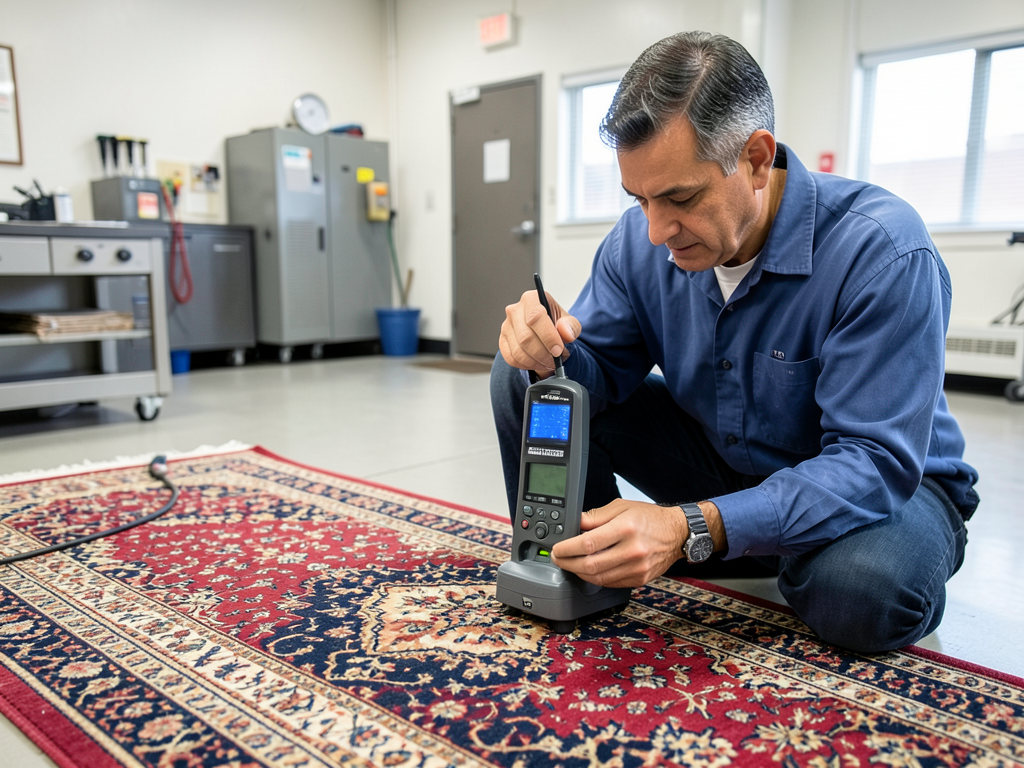
Remove standing water using a wet-dry vacuum or pump. Standard shop vacuums handle small areas, but anything over two inches deep requires a submersible pump. After you remove standing water, the real work begins. Moisture hides inside drywall, under flooring, and within insulation. You cannot see it, but a moisture meter detects it. Professional-grade thermal imaging cameras reveal wet spots behind walls that look dry on the surface.

Pull up soaked carpet within 24 hours. The carpet itself may dry, but the padding underneath will not. It holds contaminated water against your subfloor, feeding mold colonies. Baseboards trap moisture where walls meet floors. Remove them to allow air circulation. Open windows and run fans to start the drying process, but understand that surface drying is not enough. You need dehumidifiers running continuously to pull moisture from the air before it condenses on cool surfaces overnight.

Your 72-Hour Flood Recovery Action Plan

Steps to Take After a Flood in Oklahoma City – Your Complete Post-Flood Recovery Checklist
01

Hours 0-24: Emergency Response

Document everything with photos and video before touching anything. Contact your insurance company to open a claim. Remove standing water using pumps or extraction equipment. Pull up wet carpet and padding immediately. Move furniture to dry areas. Start air circulation with fans. Discard porous materials like insulation that contacted floodwater. Your goal is to stop water from spreading deeper into structural materials.
02

Hours 24-48: Moisture Detection

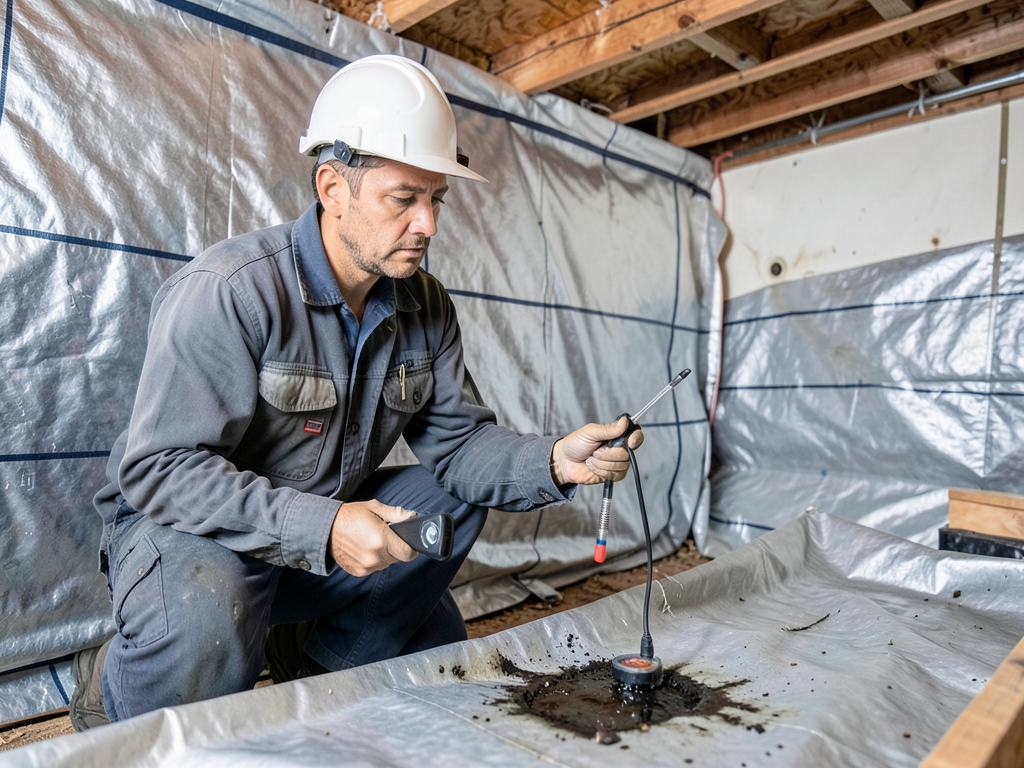
Professional moisture mapping identifies hidden water in wall cavities and subfloors. Technicians use infrared cameras and pin-type moisture meters to measure water content in wood framing and drywall. They mark affected areas with chalk or tape. Industrial dehumidifiers and air movers are positioned based on moisture readings, not guesswork. This phase determines the scope of demolition needed to prevent mold growth in inaccessible spaces.
03

Hours 48-72: Stabilization and Planning

Monitoring equipment tracks drying progress with daily moisture readings. Areas that do not show improvement require removal and replacement. Antimicrobial treatments are applied to affected surfaces to prevent bacterial growth. You receive a detailed scope of work outlining what can be dried in place and what needs replacement. This document guides your insurance claim and establishes a timeline for full restoration once drying is complete.

Why Oklahoma City Homeowners Trust Liberty Water Damage Restoration Riverside

Flooding in Oklahoma City requires someone who understands local water behavior. We respond to calls in Nichols Hills, Quail Creek, and Lake Hefner neighborhoods where flash flooding overwhelms storm drains within minutes. We know that homes built before 1980 in Crown Heights and Mesta Park often lack proper vapor barriers, making them vulnerable to moisture intrusion through foundation walls.

Our technicians are familiar with the construction methods common to different Oklahoma City areas. Pier and beam foundations in older neighborhoods near downtown require different drying techniques than slab foundations in newer Edmond-adjacent subdivisions. We adjust our approach based on your home's specific vulnerabilities.

We work directly with insurance adjusters from State Farm, Farmers, and other carriers active in the Oklahoma City market. We provide the documentation they require, including moisture readings, equipment logs, and progress photos. This speeds up your claim approval and gets your home back to normal faster. You do not have to navigate the insurance process alone.

Our extraction equipment removes thousands of gallons per hour. Our truck-mounted units stay outside your home, running quietly while hoses pull water from your interior spaces. We bring enough dehumidifiers and air movers to handle whole-house flooding, not just a single room. When we set up equipment, we position it based on airflow dynamics and moisture concentration, not convenience.

You get a dedicated project manager who answers your questions and provides daily updates. We do not disappear after dropping off equipment. We return daily to take new moisture readings and adjust equipment placement as conditions change.

What Happens During Professional Flood Recovery

Response Time and Availability

We dispatch crews within 90 minutes of your call, 24 hours a day. Floodwater does not respect business hours, and neither do we. When severe weather hits Oklahoma City and multiple homes flood simultaneously, we bring in additional crews to maintain rapid response times. You receive a call 15 minutes before our truck arrives so you can unlock gates or move vehicles. Our technicians arrive in clearly marked vehicles with all necessary extraction and drying equipment already loaded. We start work immediately upon arrival, not after a return trip for forgotten tools.

Inspection and Moisture Mapping

Our lead technician walks through every affected area with thermal imaging cameras and moisture meters. We test walls, floors, and ceilings in adjacent rooms to track how far water traveled. You receive a diagram showing moisture levels in each area, coded by severity. We explain which materials can be saved through drying and which require removal. This inspection takes 30 to 45 minutes for an average home. We do not rush this phase because accurate moisture mapping prevents callback visits for missed water pockets that turn into mold colonies later.

Drying and Dehumidification Results

You will not see standing water after the first day, but structural drying takes three to seven days depending on humidity levels and material density. Our equipment runs continuously, monitored by daily site visits. We take new moisture readings and adjust equipment placement to target stubborn wet spots. When readings show materials have returned to normal moisture content, we remove equipment and provide a completion certificate. This document confirms your home is dry and ready for repairs. Insurance companies and contractors require this certification before reconstruction begins.

Documentation and Insurance Coordination

We create a detailed loss inventory with photos of every damaged item. Our reports include moisture readings, equipment placement diagrams, and daily progress notes. Insurance adjusters receive this documentation within 24 hours of your initial call. We attend adjuster site visits and explain our findings in the technical language they require. If your claim faces delays or disputes, we provide supplemental documentation at no charge. You receive copies of everything we send to your insurance company. This transparency helps you understand exactly what happened to your home and why specific repairs are necessary.

Frequently Asked Questions

You Have Questions,
We Have Answers

What steps to take after a flood? +

Shut off electricity at the breaker box if you can do so safely. Document damage with photos before touching anything for insurance purposes. Contact your insurance company immediately. Remove standing water using pumps or wet vacuums. In Oklahoma City, high humidity can accelerate mold growth within 24 to 48 hours, so speed matters. Move salvageable items to a dry area. Avoid contaminated floodwater, which can carry sewage and bacteria. Call a professional water damage restoration company to assess structural damage and begin drying. Do not enter your home if water levels remain high or structural integrity appears compromised.

What should be done after the flood? +

Start with safety. Turn off utilities if water has reached electrical outlets or appliances. Ventilate your home by opening windows and doors to promote air circulation, but watch Oklahoma City's outdoor humidity levels. Extract all standing water quickly using commercial-grade equipment. Remove soaked carpets, padding, and drywall at least 12 inches above the waterline to prevent mold colonization. Disinfect all hard surfaces with antimicrobial solutions. Monitor moisture levels in walls and floors using professional meters. Document everything for your claim. Professional restoration companies use thermal imaging to find hidden moisture pockets that lead to mold and rot.

What precautions should be taken after a flood? +

Wear protective gear including rubber boots, gloves, and N95 masks when entering a flooded property. Assume all floodwater is contaminated with sewage, chemicals, or debris. Test electrical systems before restoring power to avoid shock or fire hazards. In Oklahoma City, inspect your foundation for shifting caused by saturated clay soils, which expand and contract. Watch for structural damage like sagging ceilings or warped floors. Discard porous materials that absorbed contaminated water. Do not mix cleaning chemicals, which can create toxic fumes. Monitor indoor humidity and keep it below 50 percent to prevent secondary mold growth in walls and crawlspaces.

What should you do after going through a flood? +

Prioritize your safety first. Leave the property if structural damage exists or water levels are dangerous. Contact your insurance provider to start the claims process. Remove water immediately using pumps and dehumidifiers. Oklahoma City's clay soil can shift after flooding, so inspect your foundation for cracks or movement. Salvage important documents and electronics if possible. Dispose of food that contacted floodwater or lost refrigeration. Begin drying within 24 hours to prevent mold. Hire a certified restoration company to evaluate hidden damage in wall cavities and subfloors. Keep detailed records of all damage, expenses, and communications with insurers.

What to spray on walls after a flood? +

After removing damaged drywall, spray exposed studs and framing with an EPA-registered antimicrobial solution to kill bacteria and mold spores. In Oklahoma City, humidity makes mold prevention critical. Use products containing quaternary ammonium compounds or hydrogen peroxide-based solutions for effectiveness. Never paint over damp surfaces or skip the disinfection step. Allow walls to dry completely before sealing, which can take several days with proper airflow and dehumidification. Professional restoration companies use commercial-grade antimicrobials and moisture meters to confirm walls are dry below 15 percent moisture content before reconstruction. Do not use bleach on porous surfaces, as it does not penetrate.

What are the 5 steps of disaster recovery? +

The five disaster recovery steps are assessment, water extraction, drying and dehumidification, cleaning and sanitizing, and restoration. Assessment identifies the damage scope and safety hazards. Extraction removes standing water using pumps and vacuums. Drying uses air movers and dehumidifiers to eliminate moisture from structures, which takes three to five days in Oklahoma City's climate. Cleaning disinfects all surfaces to remove contaminants and prevent microbial growth. Restoration rebuilds damaged areas, replacing drywall, flooring, and structural components. Professional restoration companies often overlap these phases to reduce overall recovery time. Each step requires documentation for insurance and quality control purposes.

What should you avoid doing after a flood? +

Do not enter your home if floodwater remains above floor level or structural damage is visible. Never turn on electricity if water contacted outlets or appliances. Avoid discarding damaged items before photographing them for insurance documentation. Do not use gasoline-powered generators indoors, which produce deadly carbon monoxide. In Oklahoma City, do not ignore foundation issues caused by saturated clay soils shifting. Avoid walking through contaminated floodwater without protective boots and gloves. Never mix household cleaners, which can create toxic gases. Do not delay water extraction or drying, as mold colonizes within 24 to 48 hours under humid conditions.

What are the 5 steps of preparedness? +

The five preparedness steps are creating an emergency plan, assembling a disaster supply kit, identifying evacuation routes, protecting important documents, and reviewing insurance coverage. Your emergency plan should include communication protocols and meeting locations. Supply kits need water, non-perishable food, medications, flashlights, and batteries. Know multiple routes out of your Oklahoma City neighborhood, as flooding can close roads near the North Canadian River. Store insurance policies, deeds, and medical records in waterproof containers or digitally. Review your homeowner's policy annually because standard coverage excludes flood damage. Purchase separate NFIP flood insurance if you live in a floodplain or near drainage channels.

How long to dry out a house after a flood? +

Complete structural drying takes three to seven days with professional equipment in Oklahoma City's climate. Factors include water volume, affected materials, outdoor humidity, and air circulation. Hardwood floors may take two weeks to stabilize. Concrete can hold moisture for months without proper drying techniques. Professional restoration companies use industrial air movers, dehumidifiers, and moisture meters to track progress. Walls should reach below 15 percent moisture content before reconstruction. Oklahoma City's summer humidity can extend drying times if indoor conditions are not controlled. Attempting to dry a flooded home without commercial equipment often leads to hidden mold growth and structural rot.

What do people need after a flood? +

People need immediate safety, shelter, clean water, and food. After a flood in Oklahoma City, residents need professional water extraction and structural drying services. Insurance claim support helps navigate coverage questions and documentation requirements. Access to dehumidifiers, air movers, and antimicrobial treatments prevents mold and bacterial growth. Emotional support and clear communication from restoration professionals reduce stress. Temporary housing may be necessary during extensive repairs. Financial assistance through insurance payouts, FEMA aid, or SBA disaster loans helps cover restoration costs. People also need trustworthy contractors who understand local building codes and can restore homes safely. Quick response minimizes losses and accelerates recovery.

Oklahoma City's Flash Flood Risk and Why Quick Response Saves Thousands

Oklahoma City receives an average of 36 inches of rain annually, but that rainfall arrives unpredictably. Severe thunderstorms during spring and early summer can drop three inches in under an hour. The city's position at the confluence of multiple creeks and the North Canadian River creates natural flood channels through residential areas. Neighborhoods near Hefner Lake and Lake Overholser see repeated flooding when storm drains cannot handle sudden volume increases. The red clay soil prevalent throughout central Oklahoma has low permeability, meaning water sits on the surface rather than soaking into the ground. This creates sheet flooding that enters homes through foundation cracks, garage doors, and window wells. The combination of intense rainfall and poor soil drainage makes post-flood recovery time-sensitive.

Liberty Water Damage Restoration Riverside has operated in Oklahoma City since our founding, responding to floods in every neighborhood from Heritage Hills to Lake Hefner Estates. We maintain relationships with local insurance agents and adjusters who know our work meets industry standards for moisture remediation and documentation. Oklahoma City building codes require specific moisture levels before rebuilding can begin after flooding. We follow IICRC S500 standards for water damage restoration, which aligns with local code enforcement expectations. Our familiarity with Oklahoma City's housing stock, from turn-of-the-century bungalows to modern construction, allows us to adapt our drying strategies to your home's specific needs. Choosing local expertise means working with people who understand the unique challenges Oklahoma City's climate and geography create.

Water Damage Restoration Services in The Oklahoma City Area

Alpha Water Damage Restoration proudly serves Oklahoma City and the surrounding communities, including Edmond, Norman, Moore, and Yukon. Review the map below to see our primary service area. We are always ready to dispatch our 24/7 emergency teams to your location, ensuring you receive the fastest, most reliable local water damage expertise available.

Address:
Alpha Water Damage Restoration Oklahoma City, 5600 N May Ave, Oklahoma City, OK, 73112

Additional Services We Offer

Our news updates

Latest Articles & News from The Blogs

What Happens When Your Encapsulated Crawl Space Floods in Spencer? Your sealed crawl space is supposed to stay dry. When…

What Happens When Your Encapsulated Crawl Space Floods in Spencer?

What Happens When Your Encapsulated Crawl Space Floods in Spencer? Your sealed crawl space is supposed to stay dry. When…

Why Your Twin Hills French Drain System Might Still Lead to a Flooded Basement

Why Your Twin Hills French Drain System Might Still Lead to a Flooded Basement\nIf you live in Twin Hills and…

Salvaging High End Persian and Oriental Rugs After a Flood in Gaillardia

Salvaging High End Persian and Oriental Rugs After a Flood in Gaillardia When water invades your Gaillardia home, your Persian…

Contact Us

Every hour increases the cost of flood recovery. Call Liberty Water Damage Restoration Riverside now at (405) 507-4400 for immediate dispatch. Our crews are ready 24/7 with the equipment and expertise Oklahoma City homeowners need after flooding.