


Norman sits in a flood-prone corridor where the Canadian River and severe Oklahoma thunderstorms create constant moisture threats. The city's expansive clay soil shifts during wet seasons, cracking foundations and creating entry points for groundwater. Spring storms dump inches of rain in hours, overwhelming older drainage systems in neighborhoods near Campus Corner and the Historic District. Norman's humid subtropical climate means water that enters homes does not dry on its own. Within 24 hours, moist drywall and insulation become breeding grounds for mold spores. The temperature swings between seasons stress plumbing systems, leading to burst pipes when winter freezes hit. Properties near Little River and Imhoff Road face seasonal flooding, while homes in east Norman deal with poor lot grading that channels rainwater toward foundations. These conditions require fast professional intervention. Delayed response turns a manageable water event into structural damage requiring demolition and reconstruction. Norman homeowners need restoration teams familiar with local soil behavior, insurance requirements specific to Oklahoma wind and hail policies, and the building methods common in properties from the 1960s through modern construction near Rock Creek.
Alpha Water Damage Restoration Oklahoma City maintains the fastest verified response time in Cleveland County. Our dispatch center operates around the clock, and our equipment staging location near Highway 9 puts crews at any Norman address within an hour. When you call during a crisis, you reach a live technician who immediately deploys extraction equipment, not an answering service that takes messages. We understand Norman's insurance landscape. Most local policies include wind and hail coverage but require specific documentation protocols for water damage claims. Our teams photograph damage progression, log moisture readings using thermal imaging, and provide the detailed reports adjusters need to approve claims quickly. This saves homeowners from paying out of pocket while fighting for coverage. Our technicians hold IICRC Water Damage Restoration certification and Applied Structural Drying credentials. They know how moisture behaves in Oklahoma's climate and which materials in Norman homes can be salvaged versus what requires replacement. We invested in truck-mounted extraction systems that remove thousands of gallons per hour and industrial dehumidifiers calibrated for high-humidity environments. These tools matter when racing against mold growth timelines. Alpha maintains relationships with local plumbers and electricians for coordinated repairs when water damage involves broken pipes or electrical hazards. We also work directly with reconstruction contractors so you get one point of contact from emergency extraction through final repairs. Norman homeowners trust us because we show up immediately, work transparently with insurance companies, and finish jobs without callbacks.

Our crews reach any Norman address within 60 minutes of your call, day or night. We stage equipment near Highway 9 and maintain multiple response vehicles loaded with extraction pumps, air movers, and dehumidifiers. Fast arrival stops water from spreading through walls and floors, dramatically reducing overall damage and restoration costs.

We document every phase of water damage using thermal imaging cameras and moisture meters, creating the detailed reports Oklahoma insurance adjusters require. Our team knows which policy provisions cover specific damage types and coordinates directly with your carrier to expedite approvals, so you avoid out-of-pocket expenses while waiting for claim resolution.
Every technician on our crews holds current IICRC Water Damage Restoration and Applied Structural Drying certifications. They understand moisture migration patterns in Norman's humid climate and use science-based drying protocols that prevent secondary damage. This expertise means your property gets restored correctly the first time, without callbacks for mold growth or lingering odors.
We know Norman's soil conditions, common foundation issues, and the construction methods used in homes from University North to Brookhaven. Our teams understand how local weather patterns create water damage risks and which neighborhoods face seasonal flooding. This local expertise lets us predict hidden damage other companies miss and recommend preventive measures specific to your property's location.
Alpha Water Damage Restoration Oklahoma City handles every water emergency Norman homeowners face, from minor leaks to catastrophic flooding. Our service range covers immediate damage mitigation, structural drying, contaminated water cleanup, and full property restoration. We use truck-mounted extraction equipment for maximum water removal speed, commercial-grade air movers to accelerate evaporation, and low-grain refrigerant dehumidifiers designed for Oklahoma's humidity levels. Each job starts with moisture mapping using thermal cameras to locate hidden water in wall cavities and subfloors. We monitor drying progress daily with calibrated meters and adjust equipment placement based on readings, ensuring complete moisture removal before reconstruction begins. Our teams coordinate with licensed plumbers when water damage involves broken supply lines or sewer backups, and we work alongside electricians when flooding affects electrical systems. This integrated approach prevents the frustration of managing multiple contractors. Whether you need emergency water extraction at three in the morning or controlled demolition of water-damaged drywall, our crews bring the right tools and expertise. We break our services into three core categories based on the type of water event and contamination level.
When water floods your Norman home, our crews arrive with truck-mounted pumps that extract thousands of gallons per hour. We remove standing water from basements, crawl spaces, and living areas, then position air movers and dehumidifiers to start the drying process. This immediate response prevents water from wicking up walls, saturating insulation, and spreading to unaffected rooms. Emergency extraction includes furniture relocation, carpet lifting, and initial moisture documentation for insurance claims. Available around the clock across Cleveland County.
After extraction, we implement controlled drying protocols that remove moisture from wood framing, drywall, insulation, and concrete. Our technicians use thermal imaging to track moisture migration and place equipment strategically to create optimal airflow patterns. We monitor humidity levels and material moisture content daily, adjusting equipment as conditions change. Structural drying prevents warped floors, buckled walls, and mold colonization. The process takes three to five days for most Norman properties, depending on materials affected and humidity conditions. Includes daily moisture readings and final clearance testing.
Sewage backups and floodwater from outside sources contain bacteria, viruses, and chemical contaminants that threaten health. Our crews wear protective equipment and use antimicrobial treatments to safely remove contaminated water and affected materials. We dispose of porous items like carpet and drywall that cannot be salvaged, then disinfect hard surfaces using EPA-registered biocides. This category-three water cleanup requires specialized training and equipment not used for clean water events. We follow IICRC S500 standards for contaminated water remediation and provide clearance documentation when work completes.
Norman's location in Tornado Alley and its expansive clay soil create specific water damage patterns. Severe thunderstorms with intense rainfall overwhelm gutters and drainage systems, sending water into crawl spaces and basements. The red clay soil that dominates Cleveland County swells when wet and shrinks when dry, causing foundation movement that cracks slabs and basement walls. These cracks become entry points for groundwater during heavy rain. Older neighborhoods near the University of Oklahoma and downtown feature homes built before modern waterproofing standards, making them vulnerable to moisture intrusion. Norman also experiences rapid temperature drops that freeze pipes in exterior walls and attics with poor insulation. Winter pipe bursts flood homes with gallons of water per minute, damaging ceilings, walls, and floors. Homeowners face another threat from aging water heaters and washing machine supply lines that fail without warning. A broken supply line releases hundreds of gallons before anyone notices. These common scenarios require immediate professional response to prevent structural damage and mold growth.
Norman's expansive clay soil creates hydrostatic pressure against foundations during wet periods. This pressure cracks concrete and allows groundwater to seep into basements and crawl spaces. Water entering through foundation cracks requires extraction plus addressing the source. We coordinate with foundation specialists to ensure cracks get properly sealed after drying, preventing recurring problems during the next storm season.
Spring and summer thunderstorms dump heavy rain that exceeds drainage capacity. Water backs up around foundations, enters through window wells, and floods basements. Homes in east Norman and near Little River face particular risk during severe weather. Storm water often contains contaminants from lawns and streets, requiring antimicrobial treatment during cleanup. Fast extraction prevents moisture from saturating wall cavities and insulation.
Oklahoma's temperature swings freeze pipes in unheated attics, exterior walls, and crawl spaces. When temperatures rise, ice blockages melt and burst pipes release pressurized water throughout the home. Ceiling collapses and flooded rooms result from these sudden failures. Pipe burst events require immediate water shutoff, extraction, and repairs to plumbing systems. We work with licensed plumbers to coordinate pipe replacement and water damage restoration simultaneously.
Heavy rainfall overwhelms municipal sewer systems, causing sewage to back up through floor drains and toilets in Norman homes. This contaminated water contains dangerous bacteria and requires specialized cleanup protocols. We extract sewage, remove affected porous materials, disinfect surfaces with antimicrobial agents, and verify contamination clearance. Sewage backups demand immediate response to protect occupant health and prevent permanent property damage.
From the moment you discover water damage in your Norman home, Alpha Water Damage Restoration Oklahoma City takes control of the crisis. Your call connects immediately to our dispatch center, not an answering service. Our dispatcher asks targeted questions about the water source, affected areas, and any safety concerns like electrical hazards. We dispatch the nearest crew while still on the phone with you. Within 60 minutes, technicians arrive with extraction equipment, moisture detection tools, and documentation cameras. You get honest assessment of damage severity and a clear explanation of the restoration process. We contact your insurance company the same day, providing the documentation adjusters need. Throughout the project, you receive daily updates on drying progress and timeline adjustments. Our goal is zero surprises. You know what we are doing, why it matters, and when your home returns to normal. This transparency reduces the stress of dealing with water damage.
When you call, you reach a trained dispatcher who logs your information and immediately sends the closest crew. We provide an estimated arrival time during the call. Our technicians contact you when they are ten minutes away. Upon arrival, the crew leader walks you through the property, explains what happened, and outlines the restoration plan in plain language. You get written scope of work detailing each phase before equipment gets deployed. Questions get answered immediately, not days later.
We photograph damage from multiple angles, log moisture readings throughout affected areas, and document water sources. This evidence package goes to your insurance adjuster within 24 hours. Our team knows which Oklahoma policy provisions cover different water damage scenarios and communicates directly with adjusters to expedite claim approvals. Most carriers trust our estimates because we document thoroughly and price fairly. You avoid the frustration of fighting for coverage while trying to coordinate repairs.
We do not remove equipment until moisture meters confirm all materials have reached acceptable dryness levels. Final readings get logged and photographed for your records. If reconstruction is needed, we coordinate directly with contractors so you have one point of contact. You receive a completion report showing before and after moisture levels, proving your home is completely dry and ready for repairs. This documentation protects you if insurance questions arise later.
Water damage restoration follows a proven sequence. Skipping steps or rushing the process leads to mold growth and structural failure. Our three-phase approach ensures complete moisture removal and proper restoration.
Our crew arrives within 60 minutes and immediately assesses safety hazards like electrical risks or structural instability. We locate the water source and stop it if possible, coordinating with plumbers for pipe repairs. Truck-mounted pumps extract standing water while technicians move furniture and belongings to dry areas. We lift carpets, remove wet padding, and position air movers to start evaporation. Thermal imaging cameras map moisture distribution through walls and floors, identifying hidden water that will cause problems if ignored.
After extraction, we implement a drying protocol using commercial dehumidifiers and air movers positioned to maximize airflow across wet materials. Technicians monitor moisture levels twice daily using calibrated meters, adjusting equipment placement based on readings. We remove wet insulation and cut flood cuts in drywall when necessary to dry wall cavities. This phase takes three to five days depending on materials and humidity levels. Norman's climate requires continuous dehumidification to prevent mold spores from colonizing damp surfaces.
Once moisture meters show all materials have reached acceptable dryness standards, we document final readings and photograph results. Equipment gets removed and your property is cleared for reconstruction. We coordinate with licensed contractors for drywall replacement, flooring installation, and painting. You receive a detailed completion report showing moisture levels before and after drying, photos of work performed, and documentation for your insurance file. This package proves your home is completely dry and ready for occupancy.
The water damage restoration industry follows IICRC S500 standards that classify water by contamination level and guide restoration protocols. Category one water comes from clean sources like supply lines and rainwater. Category two water contains contaminants and comes from sources like washing machine overflows and toilet bowls with urine but no feces. Category three water is grossly contaminated and includes sewage, flooding from rivers, and any water that has contacted category three sources. These categories determine which materials can be saved versus what requires disposal. Clean water that sits for more than 48 hours becomes category two due to bacterial growth. Oklahoma's high humidity accelerates this degradation. Structural drying follows psychrometric principles. Air temperature, relative humidity, and airflow patterns determine evaporation rates. We measure grains per pound of moisture in the air and adjust dehumidification capacity accordingly. Norman's humid climate means standard household fans and portable dehumidifiers cannot create conditions needed for proper drying. Commercial refrigerant dehumidifiers remove dozens of gallons daily, while axial air movers create laminar airflow across wet surfaces to maximize evaporation. Material moisture content gets measured using pin-type and pinless meters. Wood framing must reach below 15 percent moisture content, while gypsum drywall requires readings below 1 percent to prevent mold growth. These scientific measurements prevent guesswork. Thermal imaging cameras detect temperature differentials that indicate hidden moisture behind walls and under floors. Wet insulation appears as cold spots because evaporation draws heat from surrounding materials. This technology lets us verify complete drying without unnecessary demolition. Insurance companies increasingly require thermographic documentation to approve claims for concealed damage.
The Institute of Inspection, Cleaning and Restoration Certification publishes science-based standards for water damage restoration. These protocols specify equipment requirements, drying goals, and documentation procedures. Alpha technicians hold IICRC Water Damage Restoration certification and follow S500 standards on every project. This ensures your property gets restored using proven methods recognized by insurance carriers and maintains indoor air quality during the drying process.
Restoration costs depend on water volume, contamination category, affected materials, and drying duration. Clean water affecting hard surfaces costs less to remediate than sewage contaminating carpet and drywall. Insurance typically covers sudden water damage like pipe bursts but excludes gradual leaks from poor maintenance. Our estimates break down extraction, drying equipment rental, monitoring labor, and disposal costs separately. Detailed documentation helps adjusters approve appropriate payment without disputes over necessary work.
Most Norman water damage jobs require three to five days of active drying with commercial equipment running continuously. Larger losses or high-humidity conditions extend timelines to seven days. Rushing the process by removing equipment prematurely guarantees mold growth within weeks. We monitor moisture daily and only clear properties when readings confirm complete dryness. Extended drying protects your investment even though it delays reconstruction. Proper drying eliminates callbacks and prevents health hazards from mold colonization.
Most Oklahoma homeowner policies cover sudden water damage but require immediate mitigation to prevent secondary damage. Carriers expect photo documentation, moisture logs, and detailed scope of work. We provide this evidence package within 24 hours of starting work. Understanding policy provisions specific to Oklahoma wind, hail, and water damage helps maximize your claim payout. Our experience with local insurance adjusters streamlines the approval process and reduces out-of-pocket expenses.
Educational video covering water damage restoration services in Norman, Oklahoma. Explains emergency water extraction, structural drying protocols, contaminated water cleanup, and insurance coordination for Cleveland County homeowners. Discusses Norman-specific risks including clay soil foundation issues, storm water intrusion, frozen pipe failures, and proper IICRC restoration standards. Provides guidance on choosing qualified water damage remediation contractors and understanding the complete restoration process from initial assessment through final verification.
Alpha Water Damage Restoration Oklahoma City provides emergency water damage services throughout Norman and the surrounding Cleveland County region. Our central location near Highway 9 allows rapid response to every neighborhood, from the historic areas near the University of Oklahoma campus to newer developments in east Norman. We serve residents in University North, where older homes face plumbing failures and foundation issues common to properties built in the 1960s and 1970s. The tree-lined streets and mature landscaping in this area create drainage challenges during heavy rain. Homes near Campus Corner and the Historic District downtown feature construction methods from early Oklahoma statehood. These properties require careful restoration that preserves original materials while addressing modern moisture intrusion. East Norman neighborhoods like Brookhaven and Raspberry Ridge contain newer construction but face poor lot grading that channels rainwater toward foundations during spring storms. Properties along Flood Avenue and near Little River experience seasonal flooding when the Canadian River system overflows. West Norman residents near Rock Creek and Lake Thunderbird deal with high water tables that create persistent moisture issues in crawl spaces. Our teams understand how each area's geography affects water damage risk. Homes south of Main Street toward the Cleveland County line face different soil conditions than properties near Robinson Street on the north side. We also serve the growing communities around Highway 9 and Interstate 35, where rapid development has stressed older drainage infrastructure. Whether you live in established neighborhoods near Porter Avenue or new subdivisions off Tecumseh Road, our crews know the fastest routes and understand local construction methods. This geographic knowledge lets us anticipate hidden damage patterns specific to your property's location and recommend preventive measures that address neighborhood-specific risks.
Water damage restoration in Norman addresses flooding, leaks, and moisture problems in homes and businesses. The process includes water extraction, drying, dehumidification, and repairs. Norman's clay soil and severe weather patterns create unique challenges for property owners. Spring storms bring heavy rainfall, while older homes face plumbing failures. Quick response prevents mold growth, structural damage, and health hazards. Professional restoration teams use moisture meters, industrial fans, and specialized equipment to remove standing water and dry affected areas. Most projects take three to five days, depending on severity. Your homeowner's insurance typically covers sudden water damage events.
The restoration process follows a structured approach. First, technicians assess damage extent and identify water sources. They classify water as clean, gray, or black based on contamination levels. Next comes water extraction using pumps and vacuums. Air movers and dehumidifiers then dry walls, floors, and contents. Technicians monitor moisture levels daily until readings return to normal. Antimicrobial treatments prevent mold growth. Finally, repairs restore your property to pre-damage condition. Documentation includes photos, moisture readings, and detailed reports for insurance claims. Professional teams work directly with your insurance adjuster throughout the process.
You should act within 24 hours of water damage. Mold begins growing within 48 hours in moist conditions. Turn off electricity in affected areas to prevent shock hazards. Stop the water source if possible. Remove standing water with towels or a wet vacuum. Move furniture and valuables to dry areas. Open windows for ventilation if weather permits. Take photos for insurance documentation before moving items. Avoid entering rooms with sagging ceilings or deep water. Contact your insurance company immediately. Professional restoration teams offer 24/7 emergency response for urgent situations.
Water damage restoration in Norman addresses flooding, leaks, and moisture problems in homes and businesses. The process includes water extraction, drying, dehumidification, and repairs. Norman's clay soil and severe weather patterns create unique challenges for property owners. Spring storms bring heavy rainfall, while older homes face plumbing failures. Quick response prevents mold growth, structural damage, and health hazards. Professional restoration teams use moisture meters, industrial fans, and specialized equipment to remove standing water and dry affected areas. Most projects take three to five days, depending on severity. Your homeowner's insurance typically covers sudden water damage events.
The restoration process follows a structured approach. First, technicians assess damage extent and identify water sources. They classify water as clean, gray, or black based on contamination levels. Next comes water extraction using pumps and vacuums. Air movers and dehumidifiers then dry walls, floors, and contents. Technicians monitor moisture levels daily until readings return to normal. Antimicrobial treatments prevent mold growth. Finally, repairs restore your property to pre-damage condition. Documentation includes photos, moisture readings, and detailed reports for insurance claims. Professional teams work directly with your insurance adjuster throughout the process.
You should act within 24 hours of water damage. Mold begins growing within 48 hours in moist conditions. Turn off electricity in affected areas to prevent shock hazards. Stop the water source if possible. Remove standing water with towels or a wet vacuum. Move furniture and valuables to dry areas. Open windows for ventilation if weather permits. Take photos for insurance documentation before moving items. Avoid entering rooms with sagging ceilings or deep water. Contact your insurance company immediately. Professional restoration teams offer 24/7 emergency response for urgent situations.
Norman faces specific water damage risks throughout the year. Spring brings severe thunderstorms and flash flooding. The city receives 38 inches of annual rainfall, concentrated in April and May. Clay soil prevents proper drainage, causing water to pool around foundations. Older neighborhoods have aging pipe systems prone to bursts. Winter freeze-thaw cycles crack pipes and roofs. Tornado season damages roofs, allowing rain intrusion. The Canadian River floods during heavy rain periods. Sump pump failures during storms leave basements vulnerable. Regular maintenance and quick storm response protect your Norman property from water damage.
Most homeowner policies cover sudden, accidental water damage like burst pipes or roof leaks. Flood damage requires separate flood insurance through FEMA. Your policy typically excludes gradual leaks, maintenance issues, and groundwater seepage. Document everything with photos and videos. Keep damaged items until your adjuster inspects them. Review your policy for coverage limits and deductibles. Many Norman restoration companies work directly with insurance carriers and handle claims paperwork. Submit your claim immediately after damage occurs. Keep receipts for temporary repairs and additional living expenses if you must relocate during restoration.
Professional equipment makes thorough drying possible. Industrial air movers create airflow across wet surfaces, speeding evaporation. Commercial dehumidifiers remove moisture from the air, preventing secondary damage. Moisture meters measure water content in walls and floors, tracking drying progress. Infrared cameras detect hidden moisture behind surfaces. Truck-mounted extractors remove thousands of gallons quickly. HEPA air scrubbers filter mold spores and contaminants. Injectidry systems dry inside wall cavities without demolition. These specialized tools work faster and more effectively than household fans and dehumidifiers, reducing overall restoration time and preventing future problems.
Mold grows when moisture persists for 48 hours or longer. Water damage creates ideal conditions for spore growth. Black mold and other fungi cause respiratory problems, allergic reactions, and property damage. Professional restoration prevents mold through rapid drying and antimicrobial treatments. Technicians monitor humidity levels, keeping them below 60 percent. They remove porous materials like drywall and insulation when saturated. Air filtration systems capture airborne spores during the drying process. Proper ventilation and dehumidification eliminate moisture sources. If mold appears, specialized remediation follows EPA and IICRC protocols to safely remove contamination.
Response time directly impacts damage severity and restoration expenses. Water spreads quickly through porous materials like drywall, carpet, and insulation. Within hours, wood floors buckle and furniture stains permanently. After 24 hours, structural materials begin deteriorating. Mold colonizes within 48 hours. Contaminated water poses immediate health risks. Quick response saves contents and reduces demolition needs. Immediate water extraction prevents category migration, where clean water becomes contaminated. Every hour of delay increases drying time and repair scope. Norman restoration companies offer emergency services because rapid response protects your health, property, and financial investment.
Choose certified technicians with IICRC training in water damage restoration. Verify local references and online reviews from Norman customers. Confirm 24/7 emergency availability for urgent situations. Ask about response times and equipment capacity. Request a detailed inspection and written estimate. Ensure they work with major insurance companies. Check their experience with your specific damage type. Verify proper business credentials and industry certifications. Ask about their drying process, timeline, and quality guarantees from equipment manufacturers. Professional companies provide transparent communication, detailed documentation, and follow-up moisture testing to confirm complete drying.
Regular maintenance prevents most water damage. Inspect your roof twice yearly for missing shingles or flashing damage. Clean gutters and downspouts every spring and fall. Extend downspouts at least six feet from your foundation. Check washing machine hoses every three years and replace them with braided steel. Test your sump pump before storm season. Insulate pipes in crawl spaces and attics. Monitor water bills for unexpected increases indicating hidden leaks. Grade soil away from your foundation. Install water detection alarms near appliances, water heaters, and in basements. These simple steps protect your Norman home year-round.
Norman faces specific water damage risks throughout the year. Spring brings severe thunderstorms and flash flooding. The city receives 38 inches of annual rainfall, concentrated in April and May. Clay soil prevents proper drainage, causing water to pool around foundations. Older neighborhoods have aging pipe systems prone to bursts. Winter freeze-thaw cycles crack pipes and roofs. Tornado season damages roofs, allowing rain intrusion. The Canadian River floods during heavy rain periods. Sump pump failures during storms leave basements vulnerable. Regular maintenance and quick storm response protect your Norman property from water damage.
Most homeowner policies cover sudden, accidental water damage like burst pipes or roof leaks. Flood damage requires separate flood insurance through FEMA. Your policy typically excludes gradual leaks, maintenance issues, and groundwater seepage. Document everything with photos and videos. Keep damaged items until your adjuster inspects them. Review your policy for coverage limits and deductibles. Many Norman restoration companies work directly with insurance carriers and handle claims paperwork. Submit your claim immediately after damage occurs. Keep receipts for temporary repairs and additional living expenses if you must relocate during restoration.
Professional equipment makes thorough drying possible. Industrial air movers create airflow across wet surfaces, speeding evaporation. Commercial dehumidifiers remove moisture from the air, preventing secondary damage. Moisture meters measure water content in walls and floors, tracking drying progress. Infrared cameras detect hidden moisture behind surfaces. Truck-mounted extractors remove thousands of gallons quickly. HEPA air scrubbers filter mold spores and contaminants. Injectidry systems dry inside wall cavities without demolition. These specialized tools work faster and more effectively than household fans and dehumidifiers, reducing overall restoration time and preventing future problems.
Mold grows when moisture persists for 48 hours or longer. Water damage creates ideal conditions for spore growth. Black mold and other fungi cause respiratory problems, allergic reactions, and property damage. Professional restoration prevents mold through rapid drying and antimicrobial treatments. Technicians monitor humidity levels, keeping them below 60 percent. They remove porous materials like drywall and insulation when saturated. Air filtration systems capture airborne spores during the drying process. Proper ventilation and dehumidification eliminate moisture sources. If mold appears, specialized remediation follows EPA and IICRC protocols to safely remove contamination.
Response time directly impacts damage severity and restoration expenses. Water spreads quickly through porous materials like drywall, carpet, and insulation. Within hours, wood floors buckle and furniture stains permanently. After 24 hours, structural materials begin deteriorating. Mold colonizes within 48 hours. Contaminated water poses immediate health risks. Quick response saves contents and reduces demolition needs. Immediate water extraction prevents category migration, where clean water becomes contaminated. Every hour of delay increases drying time and repair scope. Norman restoration companies offer emergency services because rapid response protects your health, property, and financial investment.
Choose certified technicians with IICRC training in water damage restoration. Verify local references and online reviews from Norman customers. Confirm 24/7 emergency availability for urgent situations. Ask about response times and equipment capacity. Request a detailed inspection and written estimate. Ensure they work with major insurance companies. Check their experience with your specific damage type. Verify proper business credentials and industry certifications. Ask about their drying process, timeline, and quality guarantees from equipment manufacturers. Professional companies provide transparent communication, detailed documentation, and follow-up moisture testing to confirm complete drying.
Regular maintenance prevents most water damage. Inspect your roof twice yearly for missing shingles or flashing damage. Clean gutters and downspouts every spring and fall. Extend downspouts at least six feet from your foundation. Check washing machine hoses every three years and replace them with braided steel. Test your sump pump before storm season. Insulate pipes in crawl spaces and attics. Monitor water bills for unexpected increases indicating hidden leaks. Grade soil away from your foundation. Install water detection alarms near appliances, water heaters, and in basements. These simple steps protect your Norman home year-round.
Alpha Water Damage Restoration proudly serves Oklahoma City and the surrounding communities, including Edmond, Norman, Moore, and Yukon. Review the map below to see our primary service area. We are always ready to dispatch our 24/7 emergency teams to your location, ensuring you receive the fastest, most reliable local water damage expertise available.
Address:
Norman, OK, 73071
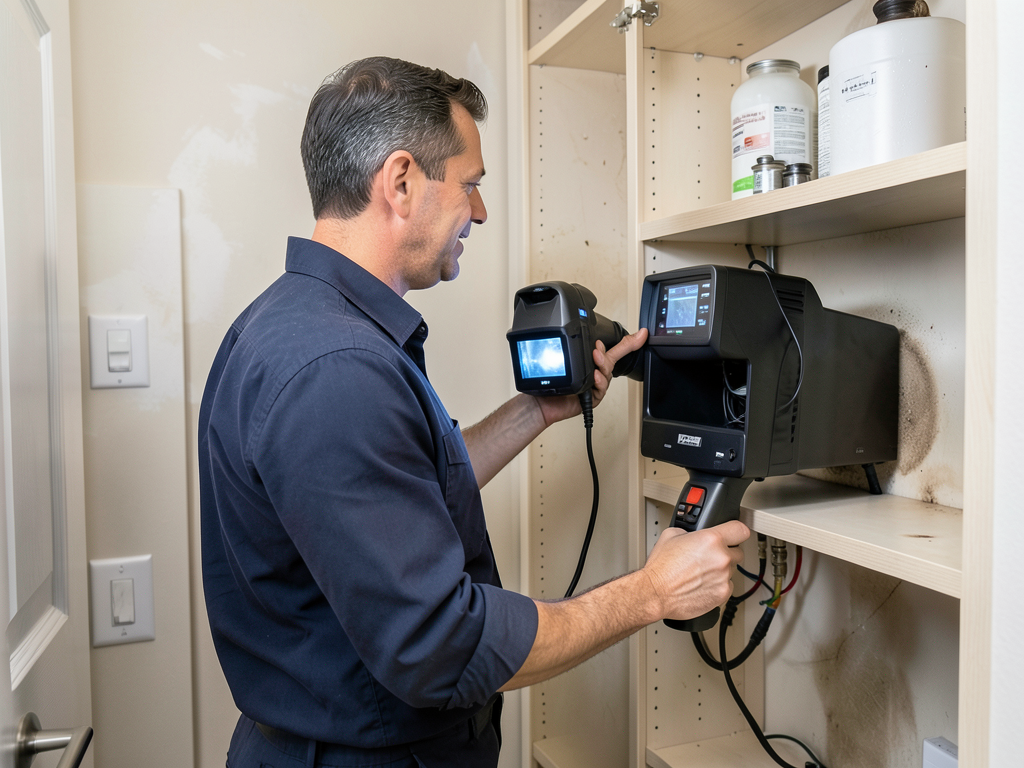
The Hidden Risk of Hot Water Recirculating Pumps in Lone Oak Luxury Homes When hot water recirculating pumps fail in Lone Oak luxury homes, the damage spreads faster than you might expect. These systems, designed…
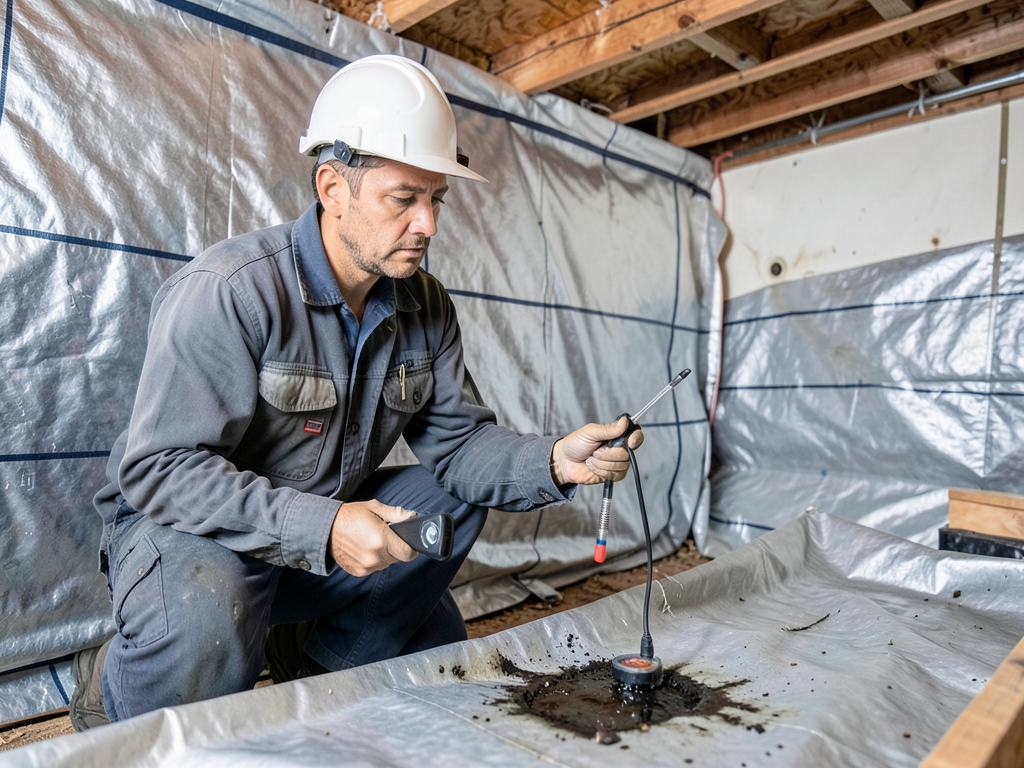
What Happens When Your Encapsulated Crawl Space Floods in Spencer? Your sealed crawl space is…

Why Your Twin Hills French Drain System Might Still Lead to a Flooded Basement\nIf you…
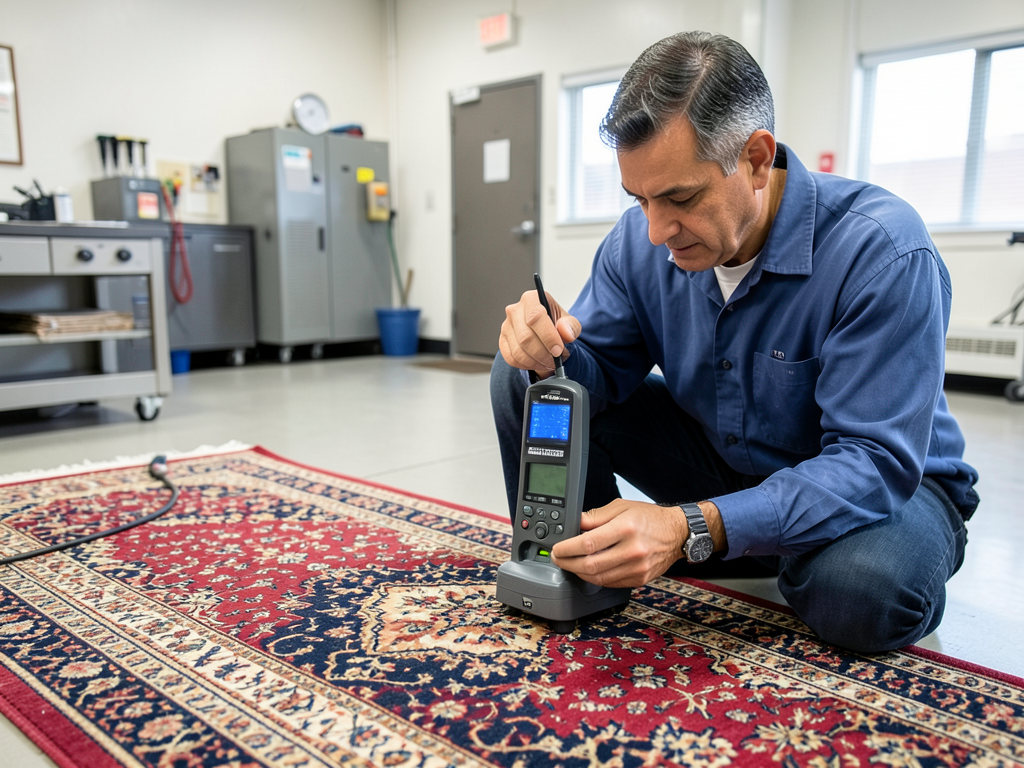
Salvaging High End Persian and Oriental Rugs After a Flood in Gaillardia When water invades…
Water spreads through your home every minute you wait. Our crews are ready to respond right now across Norman and Cleveland County. Call Alpha Water Damage Restoration Oklahoma City at (405) 507-4400 for immediate dispatch. Available around the clock.