


Tulsa sits at the convergence of three rivers and experiences weather extremes that create perfect conditions for water damage. Spring brings torrential rains that overwhelm aging storm drains in neighborhoods like Cherry Street and Maple Ridge, sending water into basements and crawl spaces. The Arkansas River floods historically every few decades, with the last major event in 2019 affecting thousands of properties from West Tulsa to Riverside.
Oklahoma's dramatic temperature swings cause pipes to freeze and burst throughout winter, especially in older homes near downtown and midtown where plumbing runs through unheated spaces. Our clay-heavy soil expands when saturated and contracts when dry, creating foundation cracks that channel groundwater into structures across South Tulsa and Broken Arrow.
Summer humidity hovers around 70 percent, which means any water intrusion from roof leaks, HVAC condensation, or appliance failures creates ideal mold conditions within 24 to 48 hours. Properties near Keystone Lake and Skiatook Lake face additional moisture challenges from elevated water tables. Tulsa's mix of historic homes, mid-century construction, and newer developments each present distinct vulnerabilities that require local knowledge to address properly.
Alpha Water Damage Restoration Oklahoma City has restored hundreds of Tulsa properties after water disasters, from flooded basements in Brookside to storm-damaged commercial buildings in the Blue Dome District. We understand how Tulsa construction methods and local climate patterns affect water damage scenarios because we work in these conditions every day.
Our technicians hold IICRC certifications in water damage restoration, applied structural drying, and odor control. We invest in truck-mounted extraction systems that remove thousands of gallons per hour, industrial dehumidifiers calibrated for Oklahoma humidity levels, and thermal imaging cameras that detect hidden moisture in walls and ceilings. This equipment sits ready in our Tulsa-area facility for immediate deployment.
We work directly with every major insurance carrier serving Oklahoma, handling documentation, moisture readings, and damage assessment so you deal with restoration instead of paperwork. Our estimators photograph every affected area, catalog all damaged materials, and provide detailed scope documents that insurance adjusters accept without endless back-and-forth negotiations.
Most water damage companies subcontract their work or run small operations that get overwhelmed during major weather events. We staff multiple crews year-round and maintain relationships with local contractors for reconstruction needs. When storms hit Tulsa, we scale up instead of turning customers away. Your emergency becomes our priority, whether you call at 2 PM or 2 AM on Christmas morning.

We dispatch crews within one hour across Tulsa and surrounding areas. Our trucks carry extraction equipment, air movers, and dehumidifiers so we start removing water immediately instead of assessing and returning later. Fast response prevents secondary damage and cuts restoration costs by stopping moisture migration into unaffected areas.

We handle all communication with your insurance company, from initial claim filing through final settlement. Our detailed documentation and industry-standard pricing mean fewer disputes and faster claim approval. You pay only your deductible while we manage the rest, eliminating the financial stress of major water damage restoration.
Every crew member completes Institute of Inspection Cleaning and Restoration Certification training in water damage restoration and applied structural drying. This means we follow proven protocols for moisture removal, antimicrobial treatment, and structural drying instead of guessing. Proper certification protects your property and ensures insurance companies accept our work.
We handle water extraction, structural drying, mold remediation, and full reconstruction under one contract. You work with a single team from emergency response through final repairs instead of coordinating multiple contractors. This integrated approach cuts restoration time and eliminates finger-pointing when problems arise during the process.
Alpha Water Damage Restoration Oklahoma City provides complete water damage mitigation and restoration services for residential and commercial properties throughout Tulsa. Our crews handle everything from emergency water extraction to final reconstruction, using industry-standard protocols that insurance companies recognize and approve.
Water damage scenarios vary dramatically based on the source, contamination level, and affected materials. A clean water supply line break requires different treatment than sewage backup or floodwater intrusion. We classify every job according to IICRC standards and apply appropriate safety protocols, antimicrobial treatments, and disposal procedures.
Our service range covers immediate emergency response to stop ongoing damage, structural drying to prevent mold and rot, complete remediation of contaminated materials, and restoration of your property to pre-loss condition. We maintain the equipment, certifications, and staffing to handle small residential claims and large commercial disasters with equal attention to detail and urgency.
Our emergency response teams arrive within 60 minutes to extract standing water using truck-mounted pumps and portable extractors. We remove water from carpets, pad, and hard surfaces, then set up air movers and dehumidifiers to begin structural drying immediately. Quick extraction prevents water from wicking into walls, saturating subfloors, and causing permanent structural damage. We work around the clock during active flooding situations, pumping basements, extracting crawl spaces, and protecting unaffected areas with containment barriers.
After initial extraction, moisture remains trapped in walls, ceilings, and flooring systems. Our technicians use thermal imaging to map moisture distribution, then position commercial dehumidifiers and air movers to create optimal drying conditions. We monitor moisture levels daily using calibrated meters, adjusting equipment placement until all materials return to normal readings. This process takes three to seven days depending on the extent of saturation and material types. Proper structural drying prevents mold growth, wood rot, and the musty odors that plague incomplete restoration jobs.
When water damage goes untreated for more than 48 hours, mold begins colonizing damp materials. We contain affected areas, remove contaminated materials following EPA guidelines, treat surfaces with antimicrobial solutions, and verify successful remediation through post-testing. Our mold remediation work addresses visible growth and hidden colonies inside wall cavities and HVAC systems. We also identify and correct moisture sources that allowed mold to develop, preventing recurrence after restoration completes. All mold work follows IICRC S520 standards for safe removal and disposal.
Tulsa property owners face water damage from multiple sources throughout the year. Spring storms overwhelm drainage systems and drive water through foundation cracks and window wells. Summer brings HVAC condensation failures and appliance leaks. Winter freeze-thaw cycles burst pipes in attics and crawl spaces. Fall sees roof failures from summer heat damage manifest as leaks during rain events.
Understanding these common scenarios helps property owners recognize problems early and respond quickly. Water damage costs escalate rapidly after the first 24 hours as moisture migrates through porous materials and creates secondary damage. Many homeowners attempt DIY cleanup with shop vacs and fans, not realizing that hidden moisture in wall cavities and subfloors requires professional extraction and drying equipment to address properly.
Frozen pipes burst suddenly when temperatures drop below freezing, releasing hundreds of gallons per hour into living spaces. Water flows through ceilings, down walls, and across floors before residents discover the problem. Quick shutoff and immediate extraction prevent catastrophic damage, but delays allow water to saturate insulation, drywall, and structural framing that requires extensive demolition and reconstruction.
Sewer line clogs force wastewater back through floor drains and toilets, contaminating finished spaces with category 3 water containing bacteria and pathogens. This scenario requires immediate extraction, disposal of porous materials like carpet and pad, and thorough antimicrobial treatment of all affected surfaces. Insurance companies scrutinize sewage claims closely, making professional documentation essential for full coverage.
Heavy rains overwhelm window wells, foundation drains, and door thresholds, sending water into basements and ground-level spaces. Floodwater carries soil, debris, and contaminants that stain surfaces and create health hazards. Properties near creek beds and low-lying areas flood repeatedly, requiring permanent drainage solutions beyond basic restoration. Insurance coverage varies dramatically between water damage and flood policies.
Missing shingles, damaged flashing, and degraded sealants allow water to penetrate roof decking and saturate attic insulation. Water then travels along rafters and ceiling joists before appearing as stains or active drips in living spaces. By the time ceiling damage becomes visible, extensive hidden damage often exists in attic spaces and wall cavities requiring thermal imaging to locate.
When water damage strikes your Tulsa property, you need immediate action and clear communication. Our process begins the moment you call our emergency line and continues through final restoration and insurance settlement. We eliminate confusion by explaining exactly what happens at each stage, providing daily updates, and staying on-site until all work completes to your satisfaction.
Most customers have never experienced major water damage and feel overwhelmed by decisions about equipment, coverage, and repairs. We guide you through each choice with straightforward information about costs, timelines, and outcomes. Our estimators show you exactly what needs removal, what we can save, and how long restoration will take based on moisture readings and material types.
You stay in control while we handle the technical work and insurance coordination. We answer calls 24/7, return messages within one hour, and keep you updated on moisture levels and drying progress throughout the restoration process.
We dispatch crews within 60 minutes of your call, arriving with extraction equipment ready to deploy. Our project manager walks through all affected areas, using moisture meters and thermal cameras to map hidden water damage. We photograph everything for documentation, explain what materials need removal versus drying in place, and provide a detailed restoration plan before starting work. You receive written estimates for emergency services and full restoration within hours of our initial visit.
Our project managers visit daily during active drying to take moisture readings and adjust equipment positioning. You receive text or email updates showing current moisture levels and estimated completion dates. We explain any changes to scope or timeline immediately, with photographic documentation of why additional work became necessary. All communication includes your insurance adjuster when applicable, ensuring everyone understands progress and prevents coverage disputes.
After moisture levels return to normal, we begin reconstruction of removed materials using licensed contractors for plumbing, electrical, and structural repairs. We match existing finishes and materials, coordinating paint colors, flooring selections, and fixture replacements with your approval. Final walkthrough includes moisture verification testing and documentation for insurance closeout. We provide written warranties on all restoration work and remain available if any issues arise after project completion.
Alpha Water Damage Restoration Oklahoma City follows IICRC protocols that insurance companies recognize and approve. This standardized approach ensures thorough moisture removal, prevents mold growth, and restores your property to pre-loss condition efficiently.
Our crews extract standing water using truck-mounted pumps and portable extractors, removing thousands of gallons from affected spaces. We pull saturated carpet and pad, remove wet contents to climate-controlled storage, and set up air movers and dehumidifiers to begin structural drying. This phase happens within hours of your call and runs continuously for three to seven days depending on saturation levels and materials affected.
We monitor moisture levels daily using calibrated meters, adjusting dehumidification and airflow to optimize drying conditions. Thermal imaging reveals hidden moisture in wall cavities and ceiling spaces. We document all readings for insurance purposes and continue drying until all materials return to normal moisture content. This prevents mold growth, wood rot, and odor problems that occur when restoration teams remove equipment too early.
After verification that all materials are completely dry, we begin repairs. This includes drywall replacement, paint matching, flooring installation, and reconstruction of any removed building components. We coordinate licensed tradespeople for plumbing, electrical, and HVAC repairs. Final walkthrough includes moisture testing confirmation and photographic documentation of completed restoration. You receive warranty information and 24/7 contact numbers for any post-restoration concerns.
Professional water damage restoration follows specific protocols established by the Institute of Inspection Cleaning and Restoration Certification. These standards exist because improper drying techniques cause long-term structural damage and mold contamination that exceeds the cost of the original water intrusion. Insurance companies require IICRC compliance for coverage approval.
The IICRC S500 Standard governs all water damage restoration work in the United States. This document specifies moisture measurement techniques, equipment requirements, drying timelines, and safety protocols for different contamination categories. Category 1 water from supply lines requires different handling than Category 2 gray water from appliances or Category 3 black water from sewage backups or flooding.
Proper restoration begins with psychrometric calculations that determine how much dehumidification and airflow a space requires based on temperature, humidity, and material saturation levels. We use data loggers that record conditions continuously, proving to insurance adjusters that we maintained optimal drying conditions throughout the project. This documentation prevents coverage disputes when claims enter litigation.
Oklahoma's high humidity levels complicate water damage restoration compared to drier climates. Ambient moisture slows evaporation and requires more aggressive dehumidification to achieve drying goals. Our commercial dehumidifiers remove 150 to 200 pints per day, maintaining relative humidity below 40 percent during active drying. Air movers create surface evaporation by directing high-velocity airflow across wet materials. The combination of dehumidification and airflow dries structural cavities that fans alone cannot address.
Thermal imaging cameras detect moisture invisible to the eye. Water wicks vertically in drywall and travels horizontally along floor joists, creating damage far from the visible water source. We map moisture distribution at the start of each project and verify complete drying before closing walls or installing new flooring.
Category 1 water originates from sanitary sources like supply lines and poses minimal health risk. Category 2 gray water contains contaminants from dishwashers or washing machines and requires antimicrobial treatment. Category 3 black water from sewage or flooding contains pathogens requiring complete removal of porous materials and extensive disinfection protocols before reconstruction begins.
Professional restoration requires calibrated moisture meters that measure water content in wood, drywall, and concrete. We document readings at project start and verify that all materials return to normal levels before removing equipment. Insurance adjusters accept only properly documented moisture data, making these measurements essential for claim approval and preventing disputes over work quality.
Most water damage dries in three to seven days with proper equipment and monitoring. Large commercial losses or severe saturation may require two weeks. Attempting to accelerate drying by removing equipment early leaves hidden moisture that causes mold growth and structural rot within weeks. We continue drying until moisture meters confirm complete drying, regardless of customer pressure to finish quickly.
Insurance companies require photographic documentation of all damage, daily moisture logs, equipment inventories, and detailed scope of work documents. We provide this documentation in formats that adjusters accept without requesting additional information. Proper documentation prevents claim denials and reduces settlement delays from weeks to days, getting you paid faster and reducing restoration stress.
This video explains the complete water damage restoration process for Tulsa properties, covering emergency water extraction, structural drying protocols, and insurance coordination. Alpha Water Damage Restoration Oklahoma City demonstrates professional techniques for water removal, moisture detection, and mold prevention following IICRC standards. Viewers learn what happens during the first 60 minutes of emergency response, how structural drying equipment works, and why professional restoration prevents long-term damage that DIY cleanup cannot address properly.
Alpha Water Damage Restoration Oklahoma City serves the entire Tulsa metro area with the same rapid response and professional service. Our central location allows crews to reach properties in South Tulsa, Broken Arrow, and Bixby within 30 minutes, while still providing coverage to Owasso, Sand Springs, and Jenks within our 60-minute service window.
Downtown Tulsa properties face unique water damage risks from aging commercial buildings and older infrastructure near the Blue Dome District and Greenwood area. These structures often contain hidden pipe failures in walls and ceiling spaces that cause extensive damage before building managers discover problems. Midtown and Cherry Street neighborhoods feature historic homes with original plumbing that freezes during winter cold snaps, requiring immediate response to prevent catastrophic flooding.
South Tulsa's newer construction around Woodland Hills Mall and along Memorial Drive tends to experience water damage from HVAC condensation failures and appliance leaks rather than pipe bursts. These newer homes often have better insulation that traps moisture inside wall cavities, making professional drying equipment essential for preventing mold growth. Properties near the Arkansas River in West Tulsa and Riverside face periodic flooding risks during spring storms that overwhelm the river's capacity.
Broken Arrow and Bixby properties southeast of Tulsa sit on clay soil that expands and contracts with moisture changes, creating foundation cracks that channel groundwater into basements and crawl spaces. These areas see more groundwater intrusion than burst pipe emergencies, requiring different equipment and techniques to resolve properly. Owasso homes north of Tulsa experience similar foundation challenges compounded by properties built on fill dirt that settles over time.
Jenks and Glenpool properties south of Tulsa near the Creek Turnpike face elevated water tables from proximity to creeks and ponds that make basement water intrusion common during wet seasons. Sand Springs properties west of Tulsa along Highway 412 deal with storm drainage issues that overwhelm systems during heavy rain, pushing water into garages and ground-level living spaces.
We maintain equipment staging and crew availability to serve all these communities without prioritizing certain ZIP codes over others. Your emergency receives the same rapid response whether you call from a downtown high-rise or a rural property in Coweta. Our technicians understand regional construction methods, soil conditions, and climate factors that affect water damage scenarios across greater Tulsa.
Water damage restoration costs in Tulsa vary based on the extent of damage, affected square footage, and water category. Class 1 incidents (minimal absorption) typically cost less than Class 4 (deep saturation into hardwood or concrete). Most residential jobs range from minor extraction work to full structural drying and repairs. Insurance often covers sudden, accidental damage like burst pipes or storm flooding. The key cost factors include extraction equipment needs, drying time, antimicrobial treatment, and whether you need drywall or flooring replacement. Get a detailed assessment before work begins to understand your specific situation.
Professional water damage restoration is worth it. Water spreads quickly through porous materials like drywall and insulation, creating hidden moisture pockets that lead to mold growth within 24 to 48 hours. Tulsa's humid climate accelerates this process. DIY efforts miss embedded moisture in subflooring and wall cavities, which leads to structural rot and expensive repairs later. Professional restoration includes thermal imaging, industrial dehumidification, and moisture monitoring to ensure complete drying. Insurance companies also require documented professional mitigation to approve claims. The upfront investment prevents long-term health hazards and protects your property value.
Water damage restoration includes emergency water extraction, structural drying, dehumidification, antimicrobial treatment, and content salvage. Technicians first assess the water category (clean, gray, or black water) and damage class. They remove standing water using truck-mounted extractors or submersible pumps, then place air movers and commercial dehumidifiers to dry affected materials. Moisture meters and thermal imaging track progress. The process includes removing damaged materials like baseboards or drywall if necessary, treating for microbial growth, and cleaning salvageable belongings. Final steps involve odor removal and preparing the space for reconstruction. Full restoration returns your property to pre-loss condition.
Water damage restoration costs in Tulsa vary based on the extent of damage, affected square footage, and water category. Class 1 incidents (minimal absorption) typically cost less than Class 4 (deep saturation into hardwood or concrete). Most residential jobs range from minor extraction work to full structural drying and repairs. Insurance often covers sudden, accidental damage like burst pipes or storm flooding. The key cost factors include extraction equipment needs, drying time, antimicrobial treatment, and whether you need drywall or flooring replacement. Get a detailed assessment before work begins to understand your specific situation.
Professional water damage restoration is worth it. Water spreads quickly through porous materials like drywall and insulation, creating hidden moisture pockets that lead to mold growth within 24 to 48 hours. Tulsa's humid climate accelerates this process. DIY efforts miss embedded moisture in subflooring and wall cavities, which leads to structural rot and expensive repairs later. Professional restoration includes thermal imaging, industrial dehumidification, and moisture monitoring to ensure complete drying. Insurance companies also require documented professional mitigation to approve claims. The upfront investment prevents long-term health hazards and protects your property value.
Water damage restoration includes emergency water extraction, structural drying, dehumidification, antimicrobial treatment, and content salvage. Technicians first assess the water category (clean, gray, or black water) and damage class. They remove standing water using truck-mounted extractors or submersible pumps, then place air movers and commercial dehumidifiers to dry affected materials. Moisture meters and thermal imaging track progress. The process includes removing damaged materials like baseboards or drywall if necessary, treating for microbial growth, and cleaning salvageable belongings. Final steps involve odor removal and preparing the space for reconstruction. Full restoration returns your property to pre-loss condition.
Stop the water source immediately if safe to do so. Turn off the main water valve for pipe breaks. Move valuables and electronics away from affected areas. Do not enter rooms with standing water if electrical outlets are submerged. Contact your insurance company and a professional restoration service right away. Document damage with photos before moving anything. In Tulsa's humid environment, time matters. Mold can begin growing within 24 hours. Remove excess water with towels or a wet vacuum if you can do so safely, but avoid extensive cleanup before professionals assess the damage for your insurance claim.
Insurance typically covers water damage from sudden, accidental events like burst pipes, appliance malfunctions, or storm-related roof leaks. Most homeowner policies cover water restoration, including extraction, drying, and necessary repairs. However, coverage excludes gradual damage from poor maintenance or flooding from external water sources, which requires separate flood insurance. Your policy's water damage clause determines what qualifies. Insurance adjusters evaluate the cause and extent of damage. Document everything with photos and keep all receipts. Many Tulsa restoration companies work directly with insurance carriers and can help navigate the claims process to maximize your coverage.
Water damage restoration timelines depend on damage severity, not the company name. Extraction and initial setup typically happen within hours of your call. Complete structural drying takes three to five days for standard residential damage. Category 3 water (sewage) or extensive saturation in hardwood floors can extend drying to seven days or more. Tulsa's humidity levels affect drying efficiency. Any restoration company uses similar industrial equipment and follows IICRC drying standards. The key is choosing a local company that responds quickly, monitors moisture daily with calibrated meters, and adjusts equipment placement based on real-time readings.
The average water damage insurance claim ranges from minor incidents to major structural repairs, depending on the source and extent. Small supply line leaks may result in lower claims, while burst water heaters or sewage backups increase costs significantly. Location within the home matters. Basement flooding affects foundations and HVAC systems. Second-story bathroom leaks damage ceilings, floors, and rooms below. Insurance adjusters calculate claims based on water category, affected square footage, material replacement costs, and necessary structural repairs. Tulsa properties with pier and beam foundations may face different claim amounts than slab homes due to crawlspace remediation needs.
Mold can begin growing within 24 to 48 hours after water exposure in the right conditions. Tulsa's warm, humid climate provides ideal mold growth conditions year-round. Porous materials like drywall, insulation, and carpet retain moisture and promote rapid spore development. You might not see visible mold initially, but microbial growth starts at the microscopic level inside wall cavities and under flooring. Temperature, humidity levels, and organic material availability determine growth speed. This narrow window makes immediate professional drying critical. Waiting even a few days allows mold colonies to establish, requiring separate remediation and increasing your total restoration costs.
If you cannot afford mold remediation, contact your insurance company first. Many policies cover mold removal if it resulted from a covered water damage event. Some Tulsa restoration companies offer payment plans or work with financing companies. Small, isolated mold patches (under 10 square feet) may qualify for careful DIY removal using proper protective equipment, though professionals recommend against it. Local nonprofit housing assistance programs sometimes help low-income homeowners. Address mold quickly because it worsens over time. Ignoring it creates health risks and devalues your property. Get multiple quotes and ask about insurance billing options before assuming you cannot afford professional help.
Insurance pays for water damage caused by sudden, accidental incidents. Covered events include burst pipes, appliance leaks, vandalism, and storm damage that allows water intrusion. Your homeowner policy typically covers restoration costs, including water extraction, structural drying, antimicrobial treatment, and repairs. Gradual damage from maintenance neglect or external flooding requires separate flood insurance through NFIP or private carriers. Review your policy's water damage endorsement and deductible. Insurance adjusters investigate the source to determine coverage eligibility. File your claim immediately and document all damage thoroughly. Most Tulsa restoration companies handle insurance coordination and provide detailed estimates for adjuster review.
Stop the water source immediately if safe to do so. Turn off the main water valve for pipe breaks. Move valuables and electronics away from affected areas. Do not enter rooms with standing water if electrical outlets are submerged. Contact your insurance company and a professional restoration service right away. Document damage with photos before moving anything. In Tulsa's humid environment, time matters. Mold can begin growing within 24 hours. Remove excess water with towels or a wet vacuum if you can do so safely, but avoid extensive cleanup before professionals assess the damage for your insurance claim.
Insurance typically covers water damage from sudden, accidental events like burst pipes, appliance malfunctions, or storm-related roof leaks. Most homeowner policies cover water restoration, including extraction, drying, and necessary repairs. However, coverage excludes gradual damage from poor maintenance or flooding from external water sources, which requires separate flood insurance. Your policy's water damage clause determines what qualifies. Insurance adjusters evaluate the cause and extent of damage. Document everything with photos and keep all receipts. Many Tulsa restoration companies work directly with insurance carriers and can help navigate the claims process to maximize your coverage.
Water damage restoration timelines depend on damage severity, not the company name. Extraction and initial setup typically happen within hours of your call. Complete structural drying takes three to five days for standard residential damage. Category 3 water (sewage) or extensive saturation in hardwood floors can extend drying to seven days or more. Tulsa's humidity levels affect drying efficiency. Any restoration company uses similar industrial equipment and follows IICRC drying standards. The key is choosing a local company that responds quickly, monitors moisture daily with calibrated meters, and adjusts equipment placement based on real-time readings.
The average water damage insurance claim ranges from minor incidents to major structural repairs, depending on the source and extent. Small supply line leaks may result in lower claims, while burst water heaters or sewage backups increase costs significantly. Location within the home matters. Basement flooding affects foundations and HVAC systems. Second-story bathroom leaks damage ceilings, floors, and rooms below. Insurance adjusters calculate claims based on water category, affected square footage, material replacement costs, and necessary structural repairs. Tulsa properties with pier and beam foundations may face different claim amounts than slab homes due to crawlspace remediation needs.
Mold can begin growing within 24 to 48 hours after water exposure in the right conditions. Tulsa's warm, humid climate provides ideal mold growth conditions year-round. Porous materials like drywall, insulation, and carpet retain moisture and promote rapid spore development. You might not see visible mold initially, but microbial growth starts at the microscopic level inside wall cavities and under flooring. Temperature, humidity levels, and organic material availability determine growth speed. This narrow window makes immediate professional drying critical. Waiting even a few days allows mold colonies to establish, requiring separate remediation and increasing your total restoration costs.
If you cannot afford mold remediation, contact your insurance company first. Many policies cover mold removal if it resulted from a covered water damage event. Some Tulsa restoration companies offer payment plans or work with financing companies. Small, isolated mold patches (under 10 square feet) may qualify for careful DIY removal using proper protective equipment, though professionals recommend against it. Local nonprofit housing assistance programs sometimes help low-income homeowners. Address mold quickly because it worsens over time. Ignoring it creates health risks and devalues your property. Get multiple quotes and ask about insurance billing options before assuming you cannot afford professional help.
Insurance pays for water damage caused by sudden, accidental incidents. Covered events include burst pipes, appliance leaks, vandalism, and storm damage that allows water intrusion. Your homeowner policy typically covers restoration costs, including water extraction, structural drying, antimicrobial treatment, and repairs. Gradual damage from maintenance neglect or external flooding requires separate flood insurance through NFIP or private carriers. Review your policy's water damage endorsement and deductible. Insurance adjusters investigate the source to determine coverage eligibility. File your claim immediately and document all damage thoroughly. Most Tulsa restoration companies handle insurance coordination and provide detailed estimates for adjuster review.
Alpha Water Damage Restoration proudly serves Oklahoma City and the surrounding communities, including Edmond, Norman, Moore, and Yukon. Review the map below to see our primary service area. We are always ready to dispatch our 24/7 emergency teams to your location, ensuring you receive the fastest, most reliable local water damage expertise available.
Address:
Tulsa, OK, 74127
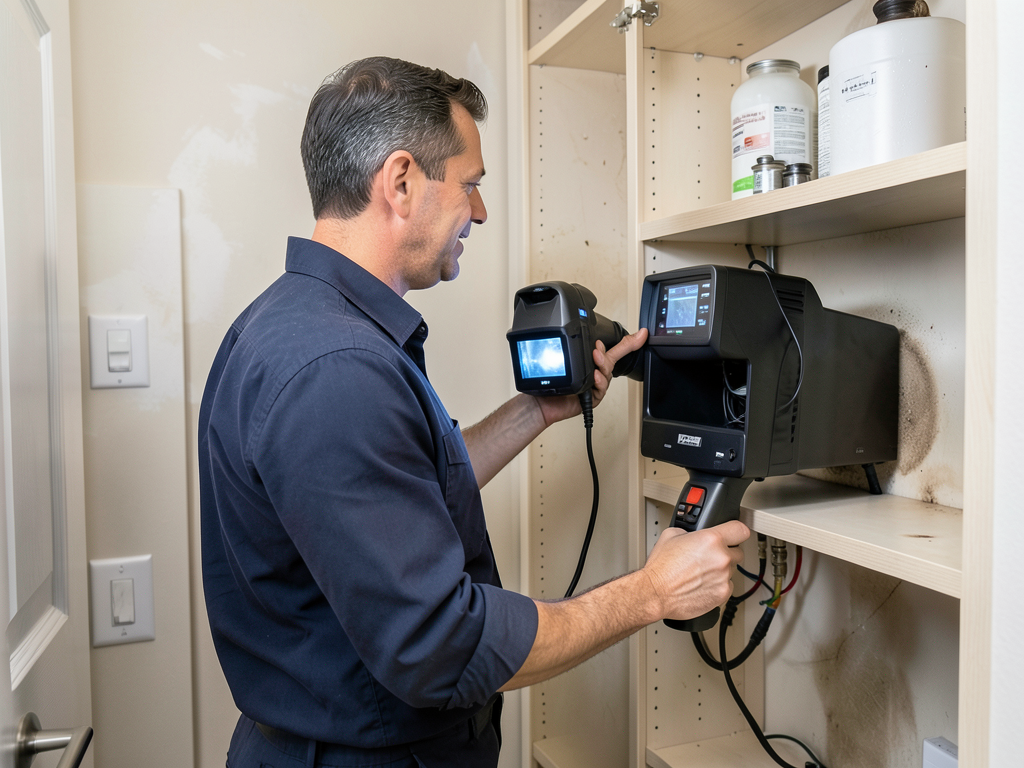
The Hidden Risk of Hot Water Recirculating Pumps in Lone Oak Luxury Homes When hot water recirculating pumps fail in Lone Oak luxury homes, the damage spreads faster than you might expect. These systems, designed…
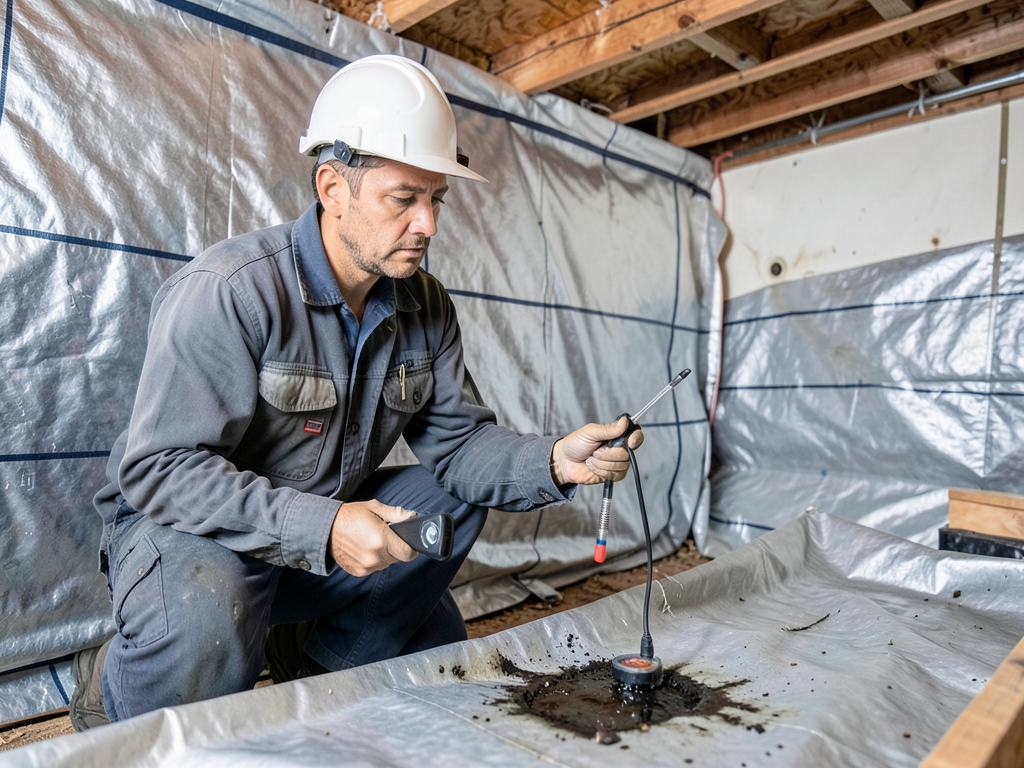
What Happens When Your Encapsulated Crawl Space Floods in Spencer? Your sealed crawl space is…

Why Your Twin Hills French Drain System Might Still Lead to a Flooded Basement\nIf you…
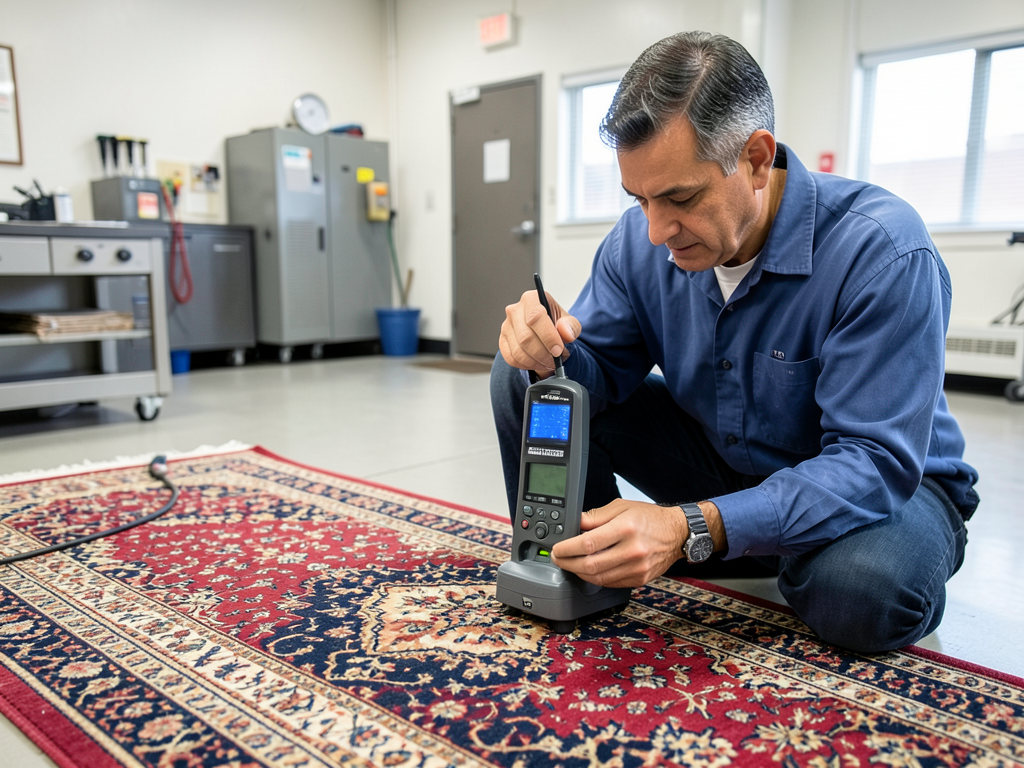
Salvaging High End Persian and Oriental Rugs After a Flood in Gaillardia When water invades…
Water damage worsens every hour you wait. Our crews are standing by 24/7 to extract water, dry your property, and prevent permanent damage. Call (405) 507-4400 now for immediate dispatch to your Tulsa property. We arrive within 60 minutes with equipment ready to deploy.