
Understanding the Three Categories of Water Damage and Why They Matter for Your Health
Water damage in your Oklahoma City home can range from a simple sink overflow to a dangerous sewage backup. The severity of the contamination determines not only the restoration process but also the health risks to your family. Understanding the three categories of water damage is essential for making the right decision about when to call a professional. Emergency Water Removal in Edmond OK – Fast Help When Pipes Burst.
The Institute of Inspection Cleaning and Restoration Certification (IICRC) established the S500 Standard to classify water damage based on contamination levels. Category 1 involves clean water from a sanitary source. Category 2 contains significant contamination that could cause discomfort or illness. Category 3 is grossly contaminated water that poses serious health threats. IICRC S500 Standard.
Oklahoma’s climate and soil conditions create unique vulnerabilities. Our expansive red clay soil can cause foundation shifts that lead to basement seepage. During spring thunderstorms, flash flooding from the North Canadian River can introduce Category 3 contaminants into homes near Bricktown and Heritage Hills. When ice storms hit, frozen pipes in mid-century ranch homes throughout Nichols Hills often burst, releasing Category 1 water that quickly degrades in our high humidity. The Top Rated Flood Damage Restoration Experts in Yukon.
Time is critical. Category 1 water can become Category 2 within 24-48 hours in Oklahoma’s 70% average relative humidity. Category 2 can escalate to Category 3 in as little as 72 hours. This degradation timeline means a small leak today could become a serious health hazard tomorrow.. Read more about What to do when your refrigerator water line leaks in Midtown OKC.
What Are the Categories of Water Damage?
The IICRC S500 Standard defines water categories based on the water’s source and contamination level. This classification system guides restoration professionals in determining the appropriate safety measures, equipment, and procedures needed for each situation.
Category 1 represents the least contaminated water. It originates from a sanitary source and poses minimal risk if addressed quickly. Category 2 contains significant contamination and has the potential to cause discomfort or sickness. Category 3 is the most dangerous classification, containing pathogenic, toxigenic, or other harmful agents.
Understanding these categories helps you assess whether you can safely handle the cleanup yourself or if you need professional help. The contamination level affects everything from the required personal protective equipment to the disposal methods for affected materials. How to Safely Handle a Flooded Basement in Quail Creek.
Oklahoma’s specific environmental factors accelerate degradation. Our clay soil retains moisture, creating ideal conditions for microbial growth. The 2019 flash flood in the Deep Deuce area demonstrated how quickly Category 1 rainwater can become Category 3 when it mixes with street contaminants and sewage overflow. Midwest City Sewage Damage Restoration and Residential Cleanup Services.
Category 1: Clean Water
Category 1 water originates from a sanitary source and does not pose substantial risk from dermal, ingestion, or inhalation exposure. Common sources include broken water supply lines, melting ice or snow, falling rainwater, and toilet tanks without contaminants.. Read more about Handling a major toilet overflow in your Harrah home.
In Oklahoma City homes, Category 1 incidents often occur from sink overflows in Quail Creek kitchens, supply line breaks in Nichols Hills bathrooms, or rainwater intrusion through compromised roofs in Heritage Hills. The key characteristic is that the water was clean when it escaped its source.
Despite being classified as “clean,” this water can still cause significant property damage. Within 24-48 hours in Oklahoma’s humid climate, Category 1 water can degrade into Category 2. The moisture provides an ideal environment for microbial growth, especially in our clay soil basements where humidity levels remain elevated.
Professional restoration of Category 1 damage typically involves water extraction, structural drying using industrial dehumidifiers, and moisture monitoring. The process must address Oklahoma’s specific challenges, including our high seasonal humidity that can slow drying times and promote secondary damage.
Call (405) 507-4400 immediately if you’re unsure about water contamination levels. What starts as clean water can become a health hazard within hours in our climate.
Category 2: Gray Water
Category 2 water contains significant contamination and has the potential to cause discomfort or sickness if contacted or consumed by humans. This water may contain unsafe levels of microorganisms, nutrients for microorganisms, or other organic matter.
Common sources in Oklahoma City homes include dishwasher or washing machine discharges, toilet overflows with urine but no feces, sump pump failures, and hydrostatic pressure seepage through foundation cracks. The water may appear clean but contains chemical or biological contaminants.
Gray water poses several health risks. Exposure can cause gastrointestinal distress, skin irritation, and allergic reactions. The contamination level increases rapidly in Oklahoma’s warm, humid conditions. A dishwasher leak in a Mustang kitchen can develop bacterial growth within hours, especially if the water contacts porous materials like drywall or carpet.. Read more about Can Your Carpet and Padding Be Saved After a Flood in Valley Brook?.
The 24-48 hour degradation window is critical. Category 2 water left untreated in our climate will almost certainly progress to Category 3. This timeline is shorter than in drier climates due to our high relative humidity and warm temperatures that accelerate microbial growth.
Professional mitigation of Category 2 water requires more extensive procedures than Category 1. Technicians use antimicrobial treatments, more aggressive drying techniques, and often remove contaminated porous materials. The process must address both the visible water and the hidden moisture that can remain in our clay soil foundations.
Category 3: Black Water
Category 3 water is grossly contaminated and can contain pathogenic, toxigenic, or other harmful agents. This classification includes sewage, rising floodwater from rivers or streams, and water from beyond the toilet trap.
In Oklahoma City, Category 3 incidents commonly result from sewage backups during heavy rains, flash flooding from the North Canadian River, or toilet overflows containing feces. The 2019 Bricktown flooding introduced Category 3 contaminants into basement apartments, requiring complete demolition of affected materials.
Black water poses severe health risks. It can contain bacteria like E. coli, Salmonella, and Shigella. Viruses such as Hepatitis A and rotavirus may be present. Parasites including Giardia and Cryptosporidium are common. The water may also contain toxic chemicals from industrial runoff or hazardous materials.
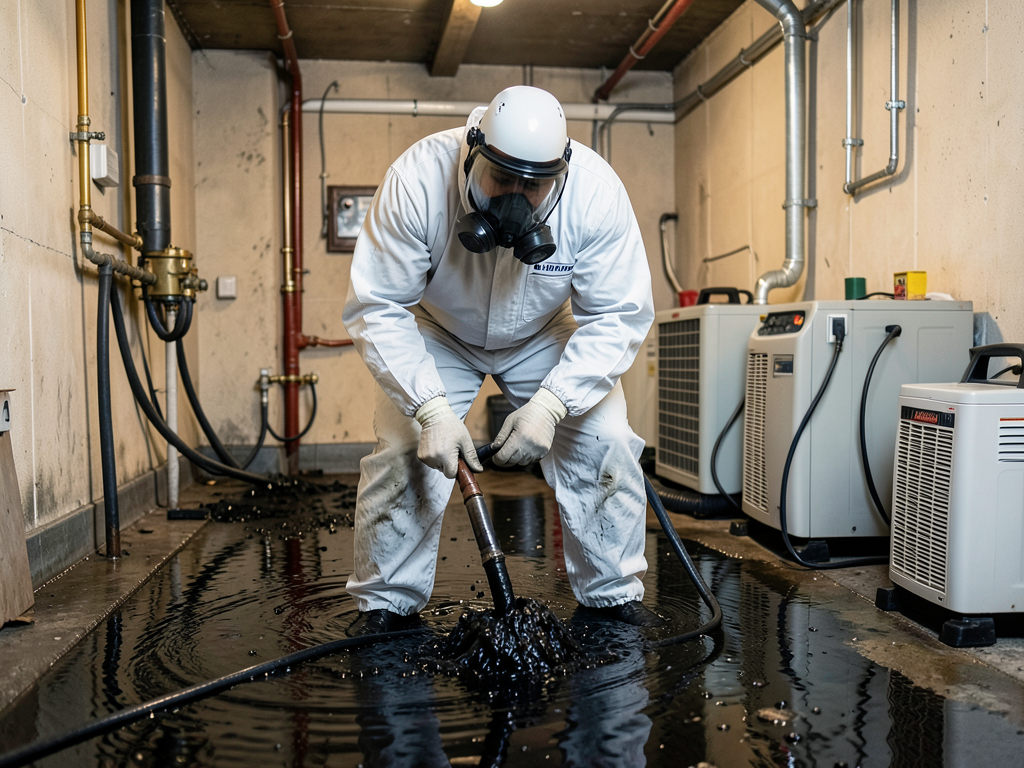
Professional handling of Category 3 water requires full personal protective equipment including respirators, chemical-resistant suits, and heavy-duty gloves. The IICRC S500 Standard mandates specific procedures for black water cleanup, including complete removal of contaminated porous materials and thorough disinfection of all affected surfaces.
In Oklahoma’s climate, the health risks from Category 3 water are amplified. Our high humidity can cause rapid mold growth on any remaining organic material. The warm temperatures accelerate bacterial reproduction. Professional restoration must address both the immediate contamination and the secondary damage that can occur within days.
Water Damage Classes vs. Categories
Categories describe contamination level while Classes describe the extent and rate of evaporation. Understanding both classifications helps professionals develop appropriate restoration strategies for your Oklahoma City home.. Read more about The Dangers of Leaving Standing Water in Your Forest Park Basement.
Class 1 involves minimal water absorption affecting only part of a room with low permeance materials like concrete. Class 2 affects an entire room with water wicking up walls less than 24 inches. Class 3 involves the greatest amount of water, absorption, and evaporation, often coming from overhead. Class 4 involves specialty drying situations with materials that have very low permeance like hardwood or concrete.
A Category 1 water leak from a second-floor bathroom supply line in a Nichols Hills home might result in Class 3 damage if it affects multiple levels and materials. Conversely, a Category 3 sewage backup in a basement might be Class 2 if it’s contained to one area with minimal wicking.
Oklahoma’s construction methods affect Class determinations. Many mid-century homes in the city have plaster walls that absorb water differently than modern drywall. Pier-and-beam foundations common in older Oklahoma homes create unique drying challenges that affect Class 4 determinations.
The combination of Category and Class determines the restoration approach. A Category 3, Class 4 situation in a heritage brick home requires different techniques than a Category 1, Class 1 incident in a modern concrete structure. Professional assessment considers both factors along with local building codes and climate conditions.
Professional Mitigation Process in OKC
Professional water damage restoration follows a systematic process based on IICRC S500 standards. The process adapts to Oklahoma’s specific environmental conditions and building practices.
Initial assessment begins with determining the water category using moisture meters, infrared cameras, and visual inspection. Technicians check for hidden moisture in our clay soil foundations and behind Oklahoma’s common plaster walls. The assessment includes evaluating potential health risks based on contamination levels and local microbial growth patterns.
Water extraction uses commercial-grade equipment capable of removing thousands of gallons per hour. In Oklahoma’s humid climate, rapid extraction is critical to prevent degradation from Category 1 to higher categories. The equipment must overcome our high vapor pressure to effectively remove moisture from materials.
Drying and dehumidification involve industrial air movers and dehumidifiers strategically placed to create optimal drying conditions. Oklahoma’s average 70% relative humidity requires more aggressive dehumidification than drier climates. Technicians monitor psychrometric conditions, measuring temperature, humidity, and dew point to ensure effective drying.
Cleaning and sanitizing depend on the water category. Category 1 may require only antimicrobial treatment. Category 2 needs more extensive cleaning with hospital-grade disinfectants. Category 3 requires complete removal of contaminated porous materials and thorough disinfection of all surfaces. Content Cleaning & Pack-Out.
Monitoring continues throughout the process using moisture meters to track progress. Oklahoma’s clay soil can retain moisture for extended periods, requiring longer drying times than anticipated. Professionals document the process for insurance purposes and ensure all materials return to acceptable moisture content levels.
Don’t wait for contamination to worsen. Call (405) 507-4400 for professional assessment and immediate mitigation.
Health Implications of Water Categories
The health risks associated with water damage vary significantly by category. Understanding these risks helps you make informed decisions about professional intervention and personal safety.
Category 1 water poses minimal immediate health risks but can create conditions for mold growth within 24-48 hours. Oklahoma’s warm, humid climate accelerates this process. People with allergies or respiratory conditions may experience symptoms from mold spores that develop in damp environments.
Category 2 water presents moderate health risks including gastrointestinal illness, skin infections, and allergic reactions. The contaminants may include detergents, bacteria from skin or surfaces, and other microorganisms. Children, elderly individuals, and those with compromised immune systems face higher risks from exposure.
Category 3 water poses severe health threats. The pathogens present can cause serious illnesses including severe gastrointestinal disease, hepatitis, and respiratory infections. The water may contain toxic chemicals that can cause chemical burns or poisoning. Even brief exposure without proper protection can result in illness.
Oklahoma’s specific health considerations include our high pollen counts that can compound respiratory issues from mold exposure. The state’s significant elderly population means more people are vulnerable to the health effects of water damage contamination. Our humid climate also means that any water intrusion creates conditions favorable for dust mites, another health concern.
Secondary health effects can occur from improper cleanup. Using inadequate equipment or techniques can spread contaminants throughout your home. The stress of dealing with water damage also impacts mental health, particularly when families must relocate during extensive restoration.
When to Call a Professional
Deciding whether to handle water damage yourself or call a professional depends on several factors including the water category, extent of damage, and your comfort level with the cleanup process.
For Category 1 water affecting a small area of non-porous materials, DIY cleanup may be appropriate if you can address it within 24 hours. This includes using wet vacuums, fans, and dehumidifiers to remove moisture. However, if the water has contacted carpet, drywall, or insulation, professional help is recommended even for Category 1 incidents.
Category 2 water always requires professional assessment. The contamination level makes DIY cleanup risky, and the potential for degradation to Category 3 means time is critical. Professionals have the equipment to detect hidden moisture and the knowledge to prevent secondary damage.
Category 3 water mandates professional restoration. The health risks are too severe for untrained individuals to manage safely. Professional services include proper containment, personal protective equipment, specialized cleaning agents, and appropriate disposal of contaminated materials.
Other factors indicating the need for professional help include water affecting multiple rooms, water that has been present for more than 24 hours, visible mold growth, sewage odors, or water from unknown sources. In Oklahoma’s climate, the rapid degradation timeline means erring on the side of professional help is often the safest choice.
Commercial properties face additional considerations. Health codes, liability concerns, and business interruption make professional restoration essential for any significant water damage. Schools, healthcare facilities, and food service establishments have specific regulatory requirements that mandate professional cleanup.
Preventing Water Damage in Oklahoma
Prevention is always better than restoration. Oklahoma’s specific climate and soil conditions create vulnerabilities that targeted prevention strategies can address.
Foundation maintenance is crucial in our clay soil areas. Install proper drainage systems including French drains and extend downspouts at least five feet from your foundation. Grade soil away from your home’s perimeter to prevent water pooling. Consider installing a sump pump with battery backup for power outages during storms.
Pipe protection is essential during Oklahoma’s ice storms. Insulate exposed pipes in attics, crawl spaces, and exterior walls. Let faucets drip during extreme cold to prevent freezing. Know where your main water shutoff valve is located and ensure it’s accessible.
Roof maintenance prevents Category 1 water intrusion. Clean gutters twice yearly, inspect for damaged shingles after storms, and ensure flashing is intact around chimneys and vents. Consider impact-resistant roofing materials that better withstand Oklahoma’s hail storms.
Appliance maintenance prevents Category 2 incidents. Replace washing machine hoses every five years. Ensure dishwasher and ice maker supply lines are in good condition. Install water alarms near water heaters and major appliances to provide early warning of leaks.. Read more about Detecting Roof Leaks vs Plumbing Leaks in Your Jones OK Ceiling.
Flood prevention measures are important for properties in flood-prone areas. Consider installing backflow preventers on sewer lines. Keep valuable items off basement floors. Review your flood insurance coverage, as standard homeowner’s policies don’t cover flood damage.
Insurance Considerations for Water Damage
Understanding your insurance coverage is essential for managing water damage costs. Different types of water damage may be covered differently by your policy.
Sudden and accidental discharge of water from plumbing systems is typically covered by standard homeowner’s insurance. This includes Category 1 water from burst pipes or appliance failures. However, damage from gradual leaks or poor maintenance is usually excluded.
Category 2 and 3 water damage coverage depends on the source. Sewage backups often require additional riders on your policy. Surface water flooding from storms requires separate flood insurance through the National Flood Insurance Program or private insurers.
Documentation is crucial for insurance claims. Take photos and videos of the damage before cleanup begins. Keep records of all mitigation efforts, including professional services hired. Most policies require you to take reasonable steps to prevent further damage, so prompt action is both practical and required.
Oklahoma’s specific insurance considerations include our high frequency of weather-related claims. Some insurers have implemented hurricane deductibles or specific storm-related provisions. Review your policy annually to ensure you understand your coverage and any changes that may have occurred.
Professional restoration companies often work directly with insurance companies, providing detailed documentation and estimates that streamline the claims process. This can reduce your stress during an already difficult situation.
Frequently Asked Questions
How quickly does clean water become contaminated?
In Oklahoma’s humid climate, Category 1 water can become Category 2 within 24-48 hours. The warm temperatures and high humidity create ideal conditions for microbial growth. After 72 hours, Category 2 water typically progresses to Category 3. This timeline is shorter than in drier climates due to our environmental conditions.
Can I clean up sewage water myself?
Category 3 water requires professional restoration. The health risks from pathogens, parasites, and potentially toxic chemicals are too severe for untrained individuals. Professional services include proper containment, personal protective equipment, specialized cleaning agents, and appropriate disposal of contaminated materials. Attempting DIY cleanup can result in serious illness.
Will my homeowner’s insurance cover water damage?
Coverage depends on the water category and source. Sudden plumbing failures causing Category 1 damage are typically covered. Sewage backups and surface water flooding usually require additional coverage. Gradual leaks from poor maintenance are generally excluded. Review your policy and consider adding riders for comprehensive protection.
How long does professional water damage restoration take?
The timeline varies based on the water category, extent of damage, and materials affected. Category 1 incidents in small areas may take 3-5 days. Category 3 damage involving structural materials can require 2-3 weeks. Oklahoma’s humidity may extend drying times, and additional time is needed for repairs after mitigation.
What should I do immediately after discovering water damage?
First, ensure safety by turning off electricity to affected areas if safe to do so. Stop the water source if possible. Remove valuable items from the area. Document the damage with photos for insurance purposes. For Category 2 or 3 water, or if you’re unsure about contamination levels, call a professional immediately.
Protecting Your Oklahoma City Home from Water Damage
Water damage in Oklahoma City homes requires understanding the contamination categories and acting quickly. Category 1 water may seem harmless but can escalate to serious health hazards within days in our humid climate. Category 2 and 3 water pose immediate risks that demand professional intervention.
The combination of our clay soil, seasonal storms, and aging infrastructure creates unique vulnerabilities for Oklahoma City homeowners. Whether you’re in Nichols Hills, Bricktown, or Mustang, the principles of water damage restoration remain the same: identify the category, act quickly, and ensure proper drying and sanitization.
Professional restoration services bring expertise, equipment, and safety protocols that protect your health and property. The IICRC S500 Standard guides their work, ensuring that cleanup meets industry standards for your specific situation. In Oklahoma’s climate, this professional approach is often the difference between complete restoration and ongoing problems.. Read more about Identifying the Difference Between Mildew and Toxic Mold After a Piedmont Storm.
Don’t let water damage compromise your home’s safety and value. When you’re facing water intrusion of any category, professional assessment can prevent minor issues from becoming major problems. The cost of professional restoration is often far less than the expense of untreated water damage, which can include structural repairs, mold remediation, and health impacts.
Protect your family’s health and your home’s value. Call (405) 507-4400 for professional water damage assessment and restoration. Our certified technicians are ready to respond 24/7 to any water emergency in the Oklahoma City metro area. For more information, visit CDC Emergency Water Supply Guidance.
{
“@context”: “https://schema.org”,
“@type”: “BlogPosting”,
“headline”: “Understanding the Three Categories of Water Damage and Why They Matter for Your Health”,
“description”: “Learn how Category 1, 2, and 3 water damage affects your Oklahoma City home and health. Discover why professional restoration matters for contaminated floods.”,
“wordCount”: 3077,
“datePublished”: “2026-03-15T10:34:00.000Z”,
“dateModified”: “2026-03-15T10:34:00.000Z”,
“inLanguage”: “en-US”,
“mainEntityOfPage”: {
“@type”: “WebPage”,
“@id”: “https://alphawaterdamagerestorationoklahomacity.com”
},
“publisher”: {
“@type”: “LocalBusiness”,
“name”: “Alpha Water Damage Restoration Oklahoma City”,
“url”: “https://alphawaterdamagerestorationoklahomacity.com”
},
“author”: {
“@type”: “Organization”,
“name”: “Alpha Water Damage Restoration Oklahoma City”,
“url”: “https://alphawaterdamagerestorationoklahomacity.com”
},
“image”: {
“@type”: “ImageObject”,
“url”: “https://alphawaterdamagerestorationoklahomacity.com/wp-content/uploads/2026/03/understanding-the-three-categories-of-water-damage-1.png”
}
}
{
“@context”: “https://schema.org”,
“@type”: “LocalBusiness”,
“name”: “Alpha Water Damage Restoration Oklahoma City”,
“url”: “https://alphawaterdamagerestorationoklahomacity.com”,
“address”: {
“@type”: “PostalAddress”,
“addressLocality”: “Oklahoma City”
},
“areaServed”: {
“@type”: “City”,
“name”: “Oklahoma City”
}
}
{
“@context”: “https://schema.org”,
“@type”: “FAQPage”,
“mainEntity”: [
{
“@type”: “Question”,
“name”: “What Are the Categories of Water Damage?”,
“acceptedAnswer”: {
“@type”: “Answer”,
“text”: “The IICRC S500 Standard defines water categories based on the water’s source and contamination level. This classification system guides restoration professionals in determining the appropriate safety measures, equipment, and procedures needed for each situation.”
}
},
{
“@type”: “Question”,
“name”: “How quickly does clean water become contaminated?”,
“acceptedAnswer”: {
“@type”: “Answer”,
“text”: “In Oklahoma’s humid climate, Category 1 water can become Category 2 within 24-48 hours. The warm temperatures and high humidity create ideal conditions for microbial growth. After 72 hours, Category 2 water typically progresses to Category 3. This timeline is shorter than in drier climates due to our environmental conditions.”
}
},
{
“@type”: “Question”,
“name”: “Can I clean up sewage water myself?”,
“acceptedAnswer”: {
“@type”: “Answer”,
“text”: “Category 3 water requires professional restoration. The health risks from pathogens, parasites, and potentially toxic chemicals are too severe for untrained individuals. Professional services include proper containment, personal protective equipment, specialized cleaning agents, and appropriate disposal of contaminated materials. Attempting DIY cleanup can result in serious illness.”
}
},
{
“@type”: “Question”,
“name”: “Will my homeowner’s insurance cover water damage?”,
“acceptedAnswer”: {
“@type”: “Answer”,
“text”: “Coverage depends on the water category and source. Sudden plumbing failures causing Category 1 damage are typically covered. Sewage backups and surface water flooding usually require additional coverage. Gradual leaks from poor maintenance are generally excluded. Review your policy and consider adding riders for comprehensive protection.”
}
},
{
“@type”: “Question”,
“name”: “How long does professional water damage restoration take?”,
“acceptedAnswer”: {
“@type”: “Answer”,
“text”: “The timeline varies based on the water category, extent of damage, and materials affected. Category 1 incidents in small areas may take 3-5 days. Category 3 damage involving structural materials can require 2-3 weeks. Oklahoma’s humidity may extend drying times, and additional time is needed for repairs after mitigation.”
}
},
{
“@type”: “Question”,
“name”: “What should I do immediately after discovering water damage?”,
“acceptedAnswer”: {
“@type”: “Answer”,
“text”: “First, ensure safety by turning off electricity to affected areas if safe to do so. Stop the water source if possible. Remove valuable items from the area. Document the damage with photos for insurance purposes. For Category 2 or 3 water, or if you’re unsure about contamination levels, call a professional immediately.”
}
}
]
}
{
“@context”: “https://schema.org”,
“@type”: “BreadcrumbList”,
“itemListElement”: [
{
“@type”: “ListItem”,
“position”: 1,
“name”: “Home”,
“item”: “https://alphawaterdamagerestorationoklahomacity.com”
},
{
“@type”: “ListItem”,
“position”: 2,
“name”: “Blog”,
“item”: “https://alphawaterdamagerestorationoklahomacity.com/blog”
},
{
“@type”: “ListItem”,
“position”: 3,
“name”: “Understanding the Three Categories of Water Damage and Why They Matter for Your Health”
}
]
}
{
“@context”: “https://schema.org”,
“@type”: “Service”,
“serviceType”: “Water Damage Restoration”,
“provider”: {
“@type”: “LocalBusiness”,
“name”: “Alpha Water Damage Restoration Oklahoma City”,
“url”: “https://alphawaterdamagerestorationoklahomacity.com”
},
“areaServed”: {
“@type”: “City”,
“name”: “Oklahoma City”
},
“description”: “Learn how Category 1, 2, and 3 water damage affects your Oklahoma City home and health. Discover why professional restoration matters for contaminated floods.”
}