
How to Prevent Secondary Water Damage and Mold Growth in Your Smith Village Home
Water damage in Smith Village homes can escalate quickly. Within 24 to 48 hours, microscopic mold spores begin colonizing damp surfaces, and structural materials start breaking down. This guide shows you how to stop that chain reaction using Oklahoma City-specific climate data, IICRC S500 drying standards, and on-site diagnostic tools. IICRC S500 standard.
Smith Village sits in a low-lying area near South Pennsylvania Avenue where heavy spring thunderstorms often overwhelm aging storm drains. The combination of high humidity and slow drainage creates the perfect conditions for secondary damage if moisture is not removed within the critical window.. Read more about How Humidity Levels in Oklahoma City Affect Your Home Restoration Timeline.
The 48-Hour Golden Window
Time is your enemy. Mold can begin growing on wet drywall or carpet within 24 hours. Wood framing can swell and warp within 48 hours. The first step is always safety: turn off electricity at the breaker if water reaches outlets or appliances. Wear rubber boots and avoid standing in water near electrical sources. Emergency Water Removal in Edmond OK – Fast Help When Pipes Burst.
Once safe, begin water extraction immediately. A wet-dry vacuum removes surface water but cannot extract moisture from carpet padding or subfloor. For those materials, you need an extractor with a weighted wand that compresses the surface while suctioning. Without that pressure, water stays trapped and continues feeding mold growth.. Read more about When to replace vs repair water damaged drywall in Spencer.
Why Oklahoma City Humidity Makes Drying Harder
Oklahoma City’s average June relative humidity exceeds 70 percent. That means outdoor air holds so much moisture that simply opening windows will not dry your home. In fact, it can make things worse by adding more water vapor to already damp materials.
Professional restorers use psychrometry, the science of air properties, to calculate exactly how much dry air is needed. They measure the difference between the moisture in the air and the maximum moisture the air can hold at that temperature. This difference, called the humidity ratio, determines how fast materials will release trapped water.
In Smith Village, where many homes have pier-and-beam foundations, moisture can also rise from the crawl space. Without a vapor barrier, humid air condenses on cooler wood members, creating hidden mold growth that standard fans never reach.
Five Steps to Stop Secondary Damage
- Extract Standing Water
Use a commercial-grade extractor or call a professional. Household wet-dry vacs remove only surface moisture. Commercial Mold Remediation.
- Deploy High-Capacity Air Movers
Place axial fans every 10 to 12 feet along wet walls. Standard box fans move 1/10th the air volume of professional units.
- Install LGR Dehumidifiers
Low-grain refrigerant units pull moisture down to 40 grains per pound, far below the 70 to 90 grains typical of consumer models.
- Apply EPA-Registered Antimicrobials
Products containing quaternary ammonium compounds inhibit mold germination on surfaces that cannot be fully dried within 48 hours.
- Monitor with Moisture Meters
Check materials daily. Wood should read below 16 percent moisture content; drywall should read below 12 percent. Content Cleaning & Pack-Out.
Professional Equipment vs. Consumer Tools
Consumer fans and dehumidifiers are designed for comfort, not restoration. A typical home dehumidifier removes about 30 pints of water per day. An LGR dehumidifier used by professionals removes 150 to 200 pints per day and can continue working in cooler conditions where home units freeze up.
Air movers also differ dramatically. Axial fans move air across a large area at lower pressure, ideal for drying walls and floors. Centrifugal fans create high pressure for pushing air into confined spaces like wall cavities. Using the wrong type leaves pockets of damp material where mold thrives.
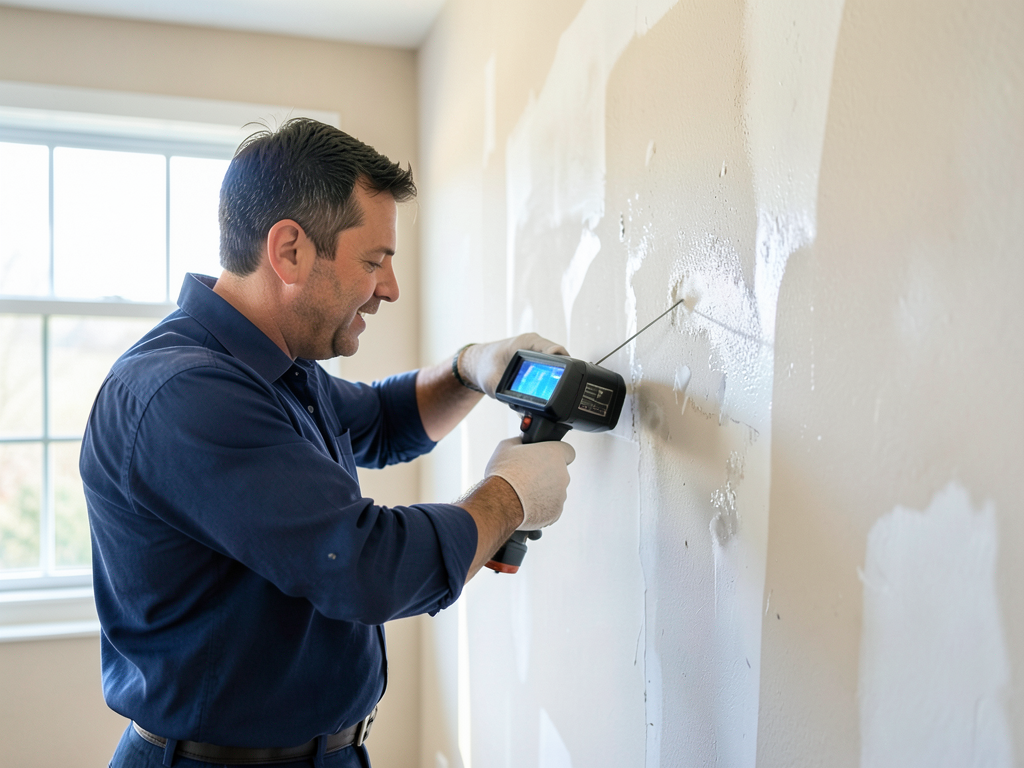
Professionals also use thermal imaging cameras to find hidden moisture. These devices detect temperature differences caused by evaporating water, revealing damp areas behind drywall that feel dry to the touch.
When Prevention Fails: Signs You Need a Professional
Musty odors within 48 hours indicate active microbial growth. Visible spotting on walls or ceilings, especially in corners or under windows, often means mold colonies are already established. Health symptoms such as persistent coughing, itchy eyes, or worsening asthma in occupants can signal airborne spores.. Read more about Why your Cleveland OKC home smells musty (even if you don’t see water).
The IICRC S500 standard defines categories of water damage. Category 1 is clean water from a broken supply line. Category 2 contains significant contamination, like dishwasher overflow. Category 3 is grossly contaminated, such as sewage or floodwater. Category 3 requires full personal protective equipment and often full material removal. Midwest City Sewage Damage Restoration and Residential Cleanup Services.
If your Smith Village home has experienced any Category 2 or 3 water, do not attempt DIY drying. The contamination risk and potential for hidden damage far outweigh the cost of professional service.
Local Building Factors That Increase Risk
Many Smith Village homes were built in the 1960s and 1970s with original plumbing that has exceeded its expected lifespan. Galvanized steel pipes corrode from the inside, creating weak spots that burst under pressure. When that happens, water can run inside walls for hours before detection.
The neighborhood also sits near the Oklahoma City oil field boundary, where soil composition includes pockets of clay that expand when wet. This expansion shifts foundations, cracking pipes and creating new entry points for groundwater.
During the 2023 spring storms, several homes in the area experienced basement flooding when the municipal storm sewer on South Pennsylvania backed up. The city is now upgrading that line, but until completion, heavy rain still poses a flood risk. The Top Rated Flood Damage Restoration Experts in Yukon.
Moisture Mapping and Daily Monitoring
Stopping secondary damage requires more than feeling surfaces for dampness. Professionals use moisture meters calibrated for specific materials. A wood moisture meter set for drywall will give false low readings, giving a false sense of security.
Daily monitoring tracks drying progress. If moisture content in wood does not drop by at least 1 percent per day, the drying strategy must change. This might mean adding more equipment, changing airflow patterns, or removing materials that trap moisture.
Without documentation, insurance companies may deny claims, arguing that damage worsened due to neglect. A professional restoration company provides daily logs, photos, and meter readings to prove you acted quickly and correctly.
Protecting Your Home Year-Round
Prevention starts with maintenance. Clean gutters and downspouts at least twice a year to prevent overflow into your foundation. Test your sump pump monthly during rainy seasons. Install a battery backup to keep it running during power outages.
Check your water heater annually for signs of corrosion or leaks. Replace supply lines to washing machines every five years. Insulate exposed pipes in crawl spaces to prevent freezing and bursting during winter ice storms.
Consider a whole-home water alarm system. These sensors detect the first sign of a leak and can automatically shut off the main water supply, stopping damage before it spreads.
Call for Help Before It’s Too Late
If you have standing water, visible mold, or sewage backup, stop reading and call (405) 507-4400 now. Every hour you wait increases the damage and the cost to repair it. Our IICRC-certified team serves Smith Village and all of Oklahoma City with 24/7 emergency response. EPA mold information.
We use industrial-grade equipment, follow EPA and IICRC standards, and provide full documentation for your insurance claim. Do not let a small leak turn into a major mold problem. Pick up the phone and call (405) 507-4400 before the next storm hits.
Frequently Asked Questions
How long does it take for mold to grow after water damage?
Under Oklahoma City’s humid conditions, mold can begin growing within 24 to 48 hours of water exposure. The exact time depends on temperature, material type, and how much water is present.
Can I dry water damage myself with fans and a dehumidifier?
Consumer equipment removes far less moisture than professional gear. In high humidity, opening windows can add moisture instead of removing it. For anything beyond a small spill, professional equipment is more effective.
What does IICRC certification mean for water damage restoration?
IICRC certification means the technician follows industry best practices for water damage restoration, including proper drying standards, safety protocols, and documentation required by insurance companies.
Is mold always visible after water damage?
No. Mold often grows inside wall cavities, under flooring, or in HVAC ducts where it cannot be seen. Musty odors, health symptoms, or moisture readings above normal levels can indicate hidden mold.
You may also find this helpful. Dealing with Wet Insulation and Attic Water Damage After Oklahoma Hail Storms.
You may also find this helpful. How to protect family heirlooms from humidity and leaks in Film Row.
{
“@context”: “https://schema.org”,
“@type”: “BlogPosting”,
“headline”: “How to Prevent Secondary Water Damage and Mold Growth in Your Smith Village Home”,
“description”: “Learn how to stop mold growth and prevent secondary water damage in your Smith Village home with expert tips on drying, dehumidification, and emergency response.”,
“wordCount”: 1388,
“datePublished”: “2026-03-23T14:28:00.000Z”,
“dateModified”: “2026-03-23T14:28:00.000Z”,
“inLanguage”: “en-US”,
“mainEntityOfPage”: {
“@type”: “WebPage”,
“@id”: “https://alphawaterdamagerestorationoklahomacity.com”
},
“publisher”: {
“@type”: “LocalBusiness”,
“name”: “Alpha Water Damage Restoration Oklahoma City”,
“url”: “https://alphawaterdamagerestorationoklahomacity.com”
},
“author”: {
“@type”: “Organization”,
“name”: “Alpha Water Damage Restoration Oklahoma City”,
“url”: “https://alphawaterdamagerestorationoklahomacity.com”
},
“image”: {
“@type”: “ImageObject”,
“url”: “https://alphawaterdamagerestorationoklahomacity.com/wp-content/uploads/2026/03/how-to-prevent-secondary-water-damage-and-mold-gro-1.png”
}
}
{
“@context”: “https://schema.org”,
“@type”: “LocalBusiness”,
“name”: “Alpha Water Damage Restoration Oklahoma City”,
“url”: “https://alphawaterdamagerestorationoklahomacity.com”,
“address”: {
“@type”: “PostalAddress”,
“addressLocality”: “Oklahoma City”
},
“areaServed”: {
“@type”: “City”,
“name”: “Oklahoma City”
}
}
{
“@context”: “https://schema.org”,
“@type”: “FAQPage”,
“mainEntity”: [
{
“@type”: “Question”,
“name”: “How long does it take for mold to grow after water damage?”,
“acceptedAnswer”: {
“@type”: “Answer”,
“text”: “Under Oklahoma City’s humid conditions, mold can begin growing within 24 to 48 hours of water exposure. The exact time depends on temperature, material type, and how much water is present.”
}
},
{
“@type”: “Question”,
“name”: “Can I dry water damage myself with fans and a dehumidifier?”,
“acceptedAnswer”: {
“@type”: “Answer”,
“text”: “Consumer equipment removes far less moisture than professional gear. In high humidity, opening windows can add moisture instead of removing it. For anything beyond a small spill, professional equipment is more effective.”
}
},
{
“@type”: “Question”,
“name”: “What does IICRC certification mean for water damage restoration?”,
“acceptedAnswer”: {
“@type”: “Answer”,
“text”: “IICRC certification means the technician follows industry best practices for water damage restoration, including proper drying standards, safety protocols, and documentation required by insurance companies.”
}
},
{
“@type”: “Question”,
“name”: “Is mold always visible after water damage?”,
“acceptedAnswer”: {
“@type”: “Answer”,
“text”: “No. Mold often grows inside wall cavities, under flooring, or in HVAC ducts where it cannot be seen. Musty odors, health symptoms, or moisture readings above normal levels can indicate hidden mold.”
}
}
]
}
{
“@context”: “https://schema.org”,
“@type”: “HowTo”,
“name”: “Prevent Secondary Water Damage”,
“step”: [
{
“@type”: “HowToStep”,
“position”: 1,
“name”: “Extract Standing Water”,
“text”: “Use a commercial-grade extractor or call a professional. Household wet-dry vacs remove only surface moisture. Commercial Mold Remediation.”
},
{
“@type”: “HowToStep”,
“position”: 2,
“name”: “Deploy High-Capacity Air Movers”,
“text”: “Place axial fans every 10 to 12 feet along wet walls. Standard box fans move 1/10th the air volume of professional units.”
},
{
“@type”: “HowToStep”,
“position”: 3,
“name”: “Install LGR Dehumidifiers”,
“text”: “Low-grain refrigerant units pull moisture down to 40 grains per pound, far below the 70 to 90 grains typical of consumer models.”
},
{
“@type”: “HowToStep”,
“position”: 4,
“name”: “Apply EPA-Registered Antimicrobials”,
“text”: “Products containing quaternary ammonium compounds inhibit mold germination on surfaces that cannot be fully dried within 48 hours.”
},
{
“@type”: “HowToStep”,
“position”: 5,
“name”: “Monitor with Moisture Meters”,
“text”: “Check materials daily. Wood should read below 16 percent moisture content; drywall should read below 12 percent. Content Cleaning & Pack-Out.”
}
],
“image”: “https://alphawaterdamagerestorationoklahomacity.com/wp-content/uploads/2026/03/how-to-prevent-secondary-water-damage-and-mold-gro-1.png”
}
{
“@context”: “https://schema.org”,
“@type”: “BreadcrumbList”,
“itemListElement”: [
{
“@type”: “ListItem”,
“position”: 1,
“name”: “Home”,
“item”: “https://alphawaterdamagerestorationoklahomacity.com”
},
{
“@type”: “ListItem”,
“position”: 2,
“name”: “Blog”,
“item”: “https://alphawaterdamagerestorationoklahomacity.com/blog”
},
{
“@type”: “ListItem”,
“position”: 3,
“name”: “How to Prevent Secondary Water Damage and Mold Growth in Your Smith Village Home”
}
]
}
{
“@context”: “https://schema.org”,
“@type”: “Service”,
“serviceType”: “Water Damage Restoration”,
“provider”: {
“@type”: “LocalBusiness”,
“name”: “Alpha Water Damage Restoration Oklahoma City”,
“url”: “https://alphawaterdamagerestorationoklahomacity.com”
},
“areaServed”: {
“@type”: “City”,
“name”: “Oklahoma City”
},
“description”: “Learn how to stop mold growth and prevent secondary water damage in your Smith Village home with expert tips on drying, dehumidification, and emergency response.”
}