
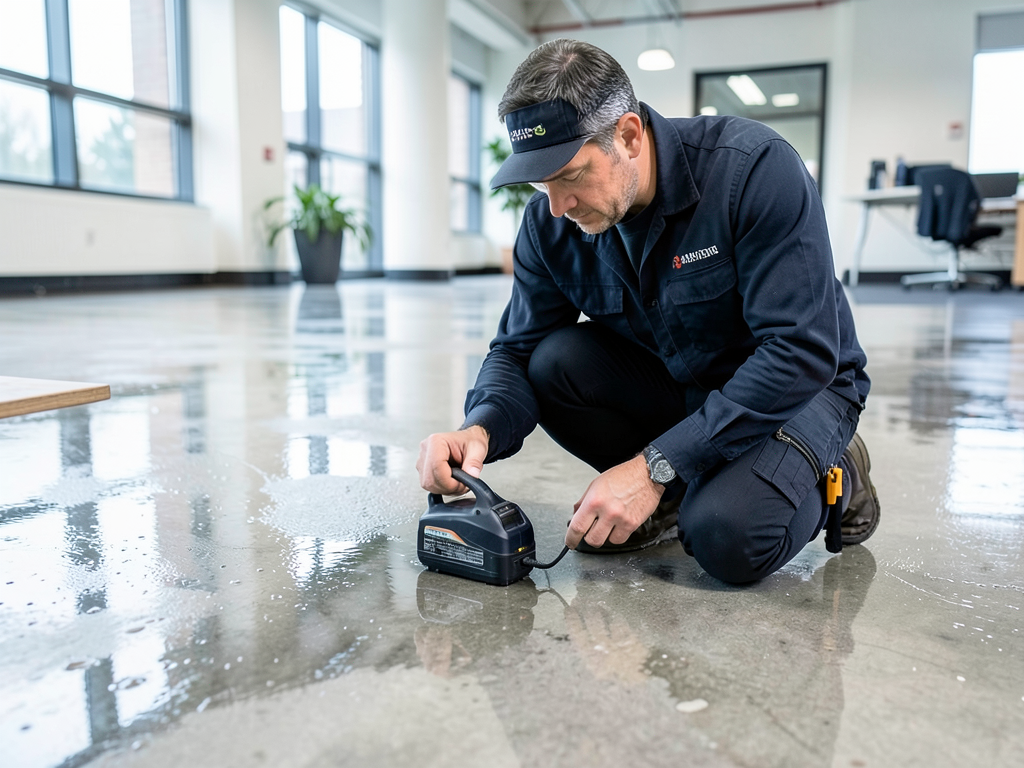
Best Ways to Dry and Sanitize Polished Concrete Floors After a Flood in the Arts District
Flooding in the Oklahoma City Arts District can turn your polished concrete floors from a sleek design feature into a serious moisture trap. Polished concrete is porous despite its smooth finish, allowing water to seep deep into the surface and even into the subfloor beneath. The high humidity in Oklahoma City makes proper drying critical to prevent mold growth, efflorescence, and long-term structural damage. Emergency Water Removal in Edmond OK – Fast Help When Pipes Burst.
Acting quickly is essential. Within 24-48 hours, mold spores can begin colonizing damp concrete surfaces. The process requires more than just mopping up visible water. You need proper water extraction, EPA-approved sanitization, and industrial-grade drying equipment to restore your floors safely and completely. EPA Mold Resources.
If you’re dealing with standing water or sewage contamination, call (405) 507-4400 immediately for emergency service. For clean water floods, follow these steps to protect your investment and your health. What to Do if Your Moore Home Floods During an Oklahoma Storm.
Safety First: Before You Begin Any Cleanup
Before touching any water, ensure the area is safe. Floodwaters can carry electrical hazards, especially in commercial spaces with multiple outlets and equipment. Turn off power at the breaker if water has reached electrical components. The Top Rated Flood Damage Restoration Experts in Yukon.
Wear proper personal protective equipment including waterproof boots, gloves, and eye protection. Even clean water can harbor bacteria from the concrete surface or surrounding areas. If the water is gray or has an odor, it may be contaminated with sewage or chemicals requiring professional handling. Midwest City Sewage Damage Restoration and Residential Cleanup Services.
Document everything before starting cleanup. Take photos and videos of all affected areas for insurance purposes. This documentation proves invaluable when filing claims with your insurance provider.
Warning: Never mix cleaning chemicals. Ammonia and bleach create toxic gases. If you smell strong odors or see discoloration in the water, stop and call a professional immediately.
Step 1: Water Extraction and Debris Removal
Remove standing water using a wet/dry vacuum rated for water removal. Standard household vacuums can cause electric shock and damage. For larger floods, a submersible pump may be necessary to remove several inches of water quickly.
After removing standing water, address the red clay silt common in Oklahoma floods. This fine sediment settles into concrete pores and creates a perfect environment for mold growth. Use a shop vacuum with a HEPA filter to remove as much silt as possible from the surface.
Check for hidden water pockets. Water can travel along walls and collect in corners or under equipment. Use moisture meters to detect moisture in areas that appear dry. Concrete can hold water for days after the surface feels dry to the touch.
Remove any wet materials touching the concrete floor. Baseboards, rugs, and furniture can trap moisture against the concrete surface. Elevate furniture on blocks if you cannot remove it completely.
Step 2: Sanitizing and Disinfecting Flooded Concrete
Clean the concrete surface with a concrete-safe cleaner to remove dirt and organic material. This step is crucial because disinfectants work best on clean surfaces. Use a stiff-bristled brush for textured areas where silt may be trapped.
Apply an EPA-registered antimicrobial solution specifically formulated for concrete. These products kill mold spores and bacteria without damaging the polished finish. Look for products containing quaternary ammonium compounds or hydrogen peroxide-based formulas.
Pay special attention to cracks and joints where water collects. These areas often harbor the most contamination. Use a spray bottle to apply disinfectant to vertical surfaces like walls that may have been splashed during the flood.
Allow the disinfectant to dwell for the recommended contact time, usually 10-15 minutes. This ensures it kills all pathogens. Do not rinse immediately as this reduces effectiveness.
Step 3: The Critical Drying Process
Proper drying requires more than fans. Concrete has a moisture vapor emission rate that must be tested before the floor is considered dry. Use a calcium chloride test or a relative humidity test to verify moisture levels are below 75% RH.
Set up industrial-grade air movers at 45-degree angles to the floor. These create a vortex effect that pulls moisture from the concrete surface. Position dehumidifiers around the perimeter to capture the moisture-laden air.
For polished concrete in the Arts District, maintain temperatures between 70-90 degrees Fahrenheit during drying. Cooler temperatures slow evaporation while excessive heat can cause the concrete to expand and crack.
Monitor progress daily using moisture meters. The surface may feel dry while moisture remains trapped below. Continue drying until moisture content drops below 4% for standard concrete installations. Content Cleaning & Pack-Out.
Warning: Rushing the drying process can cause warping, cracking, or delamination of sealers. Patience prevents costly repairs later.
Preventing Mold Growth on Concrete Floors
Even after drying, concrete can support mold growth if conditions remain favorable. Maintain indoor humidity below 60% using dehumidifiers. In Oklahoma’s humid climate, this often requires continuous operation for several days after flooding.
Inspect for efflorescence, the white powdery substance that appears when water brings salts to the surface. This indicates ongoing moisture movement through the concrete. Clean with a mild acid solution if present, but address the underlying moisture issue first.
Check for mold growth in hidden areas. Use a flashlight to inspect corners, under equipment, and along walls. Mold can grow on concrete dust or organic material trapped in surface pores.
Consider applying a concrete sealer after the floor is completely dry. This creates a moisture barrier that helps prevent future water absorption and makes cleaning easier.
When to Call a Professional Restoration Service
Call a professional if you notice persistent musty odors, visible mold growth, or if the water was contaminated with sewage. These situations require specialized equipment and EPA-approved antimicrobial treatments.
Professional restoration becomes necessary when moisture readings remain high after 72 hours of drying, or if you discover water has penetrated walls or ceilings. Hidden moisture causes structural damage that isn’t visible until it’s severe.
Insurance companies often require professional documentation for claims exceeding certain amounts. A certified restoration company provides detailed reports that satisfy insurance requirements and prevent claim denials.
Commercial properties in the Arts District may have specific code requirements for water damage restoration. Professional services ensure compliance with local building codes and health department regulations.. Read more about How Local Boutique Owners Near Western Avenue Can Minimize Downtime After a Water Loss.
If you’re unsure about the extent of damage, call (405) 507-4400 for a free assessment. Our technicians use thermal imaging and moisture mapping to identify hidden damage before it becomes a major problem.
Local Factors Affecting Flood Recovery in the Arts District
The Oklahoma City Arts District sits on expansive clay soil that shifts with moisture changes. This soil movement can create foundation cracks that allow water to seep into buildings during heavy rains. These cracks often go unnoticed until a major flood occurs.
Local building codes require specific waterproofing measures for commercial properties in flood-prone areas. The Oklahoma City Building Code Section 1805 addresses dampproofing and waterproofing requirements for below-grade walls and floors.
The Arts District’s historic buildings often have older plumbing systems more susceptible to failure during Oklahoma’s freeze-thaw cycles. These systems can burst suddenly, releasing large volumes of water before anyone notices.
Spring thunderstorms in Oklahoma City can drop several inches of rain in hours, overwhelming drainage systems. The flat terrain around downtown OKC means water pools quickly in low-lying areas like the Arts District.
Testing for Complete Dryness
Surface dryness doesn’t equal complete dryness. Use a non-penetrating moisture meter to scan the entire floor area. Readings should be consistent across the surface with no hot spots indicating hidden moisture.
For the most accurate results, use a calcium chloride test. Place the test kit on the concrete for 60-72 hours. The test measures moisture vapor emission rate, which should be below 3 pounds per 1,000 square feet per 24 hours for polished concrete.
Check relative humidity in the concrete using ASTM F2170 testing methods. Drill small holes, insert probes, and measure internal moisture content. Readings should be below 75% RH for installation of floor coverings.
Document all test results. This documentation proves the floor is dry and can prevent warranty issues with flooring manufacturers or future property buyers.
Insurance and Documentation
Contact your insurance provider immediately after flooding occurs. Most policies require prompt notification to avoid claim denial. Document all communications including dates, times, and representative names.
Keep receipts for all cleanup supplies and equipment rentals. These expenses may be reimbursable under your policy. If you hire professionals, request detailed invoices showing labor, equipment, and materials.
Take daily photos during the drying process. This timeline shows your mitigation efforts and can support your claim for additional living expenses if you must relocate during restoration.
Ask your insurance adjuster about coverage for secondary damage like mold growth. Many policies exclude mold damage if not addressed within specific timeframes.
Preventing Future Flood Damage
Install backflow preventers on floor drains to prevent sewage backup during heavy rains. These devices stop contaminated water from entering your space through drainage systems.
Consider a sump pump system with battery backup. Oklahoma’s power grid can fail during ice storms, leaving sump pumps inoperative when you need them most. Battery backups provide protection during outages.
Seal concrete expansion joints and cracks with polyurethane caulk. This prevents water from seeping through these vulnerable areas during future floods.
Elevate critical equipment and electrical systems above potential flood levels. In the Arts District, consider that a 100-year flood could raise water levels several feet above normal.
Cost Factors for Professional Restoration
Professional water damage restoration costs vary based on several factors. Category 1 water from clean sources costs less to remediate than Category 3 sewage water requiring full sanitization and disposal of contaminated materials.
Square footage directly affects pricing, but accessibility impacts cost more. Tight spaces, multiple floors, or areas with heavy equipment increase labor time and equipment needs.
Time sensitivity affects pricing. Emergency services during nights, weekends, or holidays typically cost more but prevent additional damage that would increase total restoration costs.
Insurance coverage can offset many restoration costs. Most policies cover sudden water damage but may exclude gradual damage or flooding from external sources without separate flood insurance.
Frequently Asked Questions
How long does it take to dry polished concrete floors after flooding?
Surface drying takes 24-48 hours with proper equipment, but complete moisture removal can take 3-7 days depending on concrete thickness, humidity levels, and the extent of water penetration.
Can I use household fans to dry my concrete floors?
Household fans move air but lack the power to extract moisture from concrete. Industrial air movers and dehumidifiers are necessary to achieve proper drying and prevent mold growth.
Is polished concrete mold resistant?
Polished concrete resists mold better than carpet or wood, but it’s not immune. The porous surface can harbor moisture and organic material that supports mold growth if not properly dried and sanitized.
What’s the difference between gray water and black water in flooding?
Gray water contains some contamination like detergent or food particles, while black water contains sewage or other highly hazardous materials. Black water requires professional handling and full personal protective equipment.
How do I know if my concrete floor is completely dry?
Use moisture meters to test surface and internal moisture levels. The floor should read below 4% moisture content and relative humidity should be under 75% before considering the floor dry.
Final Steps for Complete Recovery
After your concrete floors are dry and sanitized, conduct a final inspection. Check for any remaining odors, discoloration, or surface irregularities that might indicate ongoing moisture issues.
Test all electrical outlets and equipment that may have been exposed to water. Even if they appear functional, moisture can cause delayed failures or fire hazards.
Review your flood prevention measures. Consider what worked and what failed during the recent flood. This evaluation helps you prepare better for future events.
Keep all documentation including test results, photos, and professional invoices. This information proves valuable for insurance claims, property sales, or future restoration needs.
If you discover any issues during your final inspection or need professional verification of your restoration work, call (405) 507-4400. Our certified technicians can provide third-party verification and ensure your property is safe for occupancy.
Don’t let flood damage compromise your property’s value or your health. Take action now to restore your polished concrete floors properly and prevent future problems.
Pick up the phone and call (405) 507-4400 before the next storm hits. Our 24/7 emergency response team is ready to help you recover quickly and completely. For more information, visit IICRC Standards.
{
“@context”: “https://schema.org”,
“@type”: “BlogPosting”,
“headline”: “Best Ways to Dry and Sanitize Polished Concrete Floors After a Flood in the Arts District”,
“description”: “Learn how to properly dry and sanitize polished concrete floors after flooding in OKC’s Arts District. Expert tips on moisture testing, EPA-approved sanitization, and preventing mold growth.”,
“wordCount”: 2106,
“datePublished”: “2026-05-05T08:58:00.000Z”,
“dateModified”: “2026-05-05T08:58:00.000Z”,
“inLanguage”: “en-US”,
“mainEntityOfPage”: {
“@type”: “WebPage”,
“@id”: “https://alphawaterdamagerestorationoklahomacity.com”
},
“publisher”: {
“@type”: “LocalBusiness”,
“name”: “Alpha Water Damage Restoration Oklahoma City”,
“url”: “https://alphawaterdamagerestorationoklahomacity.com”
},
“author”: {
“@type”: “Organization”,
“name”: “Alpha Water Damage Restoration Oklahoma City”,
“url”: “https://alphawaterdamagerestorationoklahomacity.com”
},
“image”: {
“@type”: “ImageObject”,
“url”: “https://alphawaterdamagerestorationoklahomacity.com/wp-content/uploads/2026/03/best-ways-to-dry-and-sanitize-polished-concrete-fl-1.png”
}
}
{
“@context”: “https://schema.org”,
“@type”: “LocalBusiness”,
“name”: “Alpha Water Damage Restoration Oklahoma City”,
“url”: “https://alphawaterdamagerestorationoklahomacity.com”,
“address”: {
“@type”: “PostalAddress”,
“addressLocality”: “Oklahoma City”
},
“areaServed”: {
“@type”: “City”,
“name”: “Oklahoma City”
}
}
{
“@context”: “https://schema.org”,
“@type”: “FAQPage”,
“mainEntity”: [
{
“@type”: “Question”,
“name”: “How long does it take to dry polished concrete floors after flooding?”,
“acceptedAnswer”: {
“@type”: “Answer”,
“text”: “Surface drying takes 24-48 hours with proper equipment, but complete moisture removal can take 3-7 days depending on concrete thickness, humidity levels, and the extent of water penetration.”
}
},
{
“@type”: “Question”,
“name”: “Can I use household fans to dry my concrete floors?”,
“acceptedAnswer”: {
“@type”: “Answer”,
“text”: “Household fans move air but lack the power to extract moisture from concrete. Industrial air movers and dehumidifiers are necessary to achieve proper drying and prevent mold growth.”
}
},
{
“@type”: “Question”,
“name”: “Is polished concrete mold resistant?”,
“acceptedAnswer”: {
“@type”: “Answer”,
“text”: “Polished concrete resists mold better than carpet or wood, but it’s not immune. The porous surface can harbor moisture and organic material that supports mold growth if not properly dried and sanitized.”
}
},
{
“@type”: “Question”,
“name”: “What’s the difference between gray water and black water in flooding?”,
“acceptedAnswer”: {
“@type”: “Answer”,
“text”: “Gray water contains some contamination like detergent or food particles, while black water contains sewage or other highly hazardous materials. Black water requires professional handling and full personal protective equipment.”
}
},
{
“@type”: “Question”,
“name”: “How do I know if my concrete floor is completely dry?”,
“acceptedAnswer”: {
“@type”: “Answer”,
“text”: “Use moisture meters to test surface and internal moisture levels. The floor should read below 4% moisture content and relative humidity should be under 75% before considering the floor dry.”
}
}
]
}
{
“@context”: “https://schema.org”,
“@type”: “BreadcrumbList”,
“itemListElement”: [
{
“@type”: “ListItem”,
“position”: 1,
“name”: “Home”,
“item”: “https://alphawaterdamagerestorationoklahomacity.com”
},
{
“@type”: “ListItem”,
“position”: 2,
“name”: “Blog”,
“item”: “https://alphawaterdamagerestorationoklahomacity.com/blog”
},
{
“@type”: “ListItem”,
“position”: 3,
“name”: “Best Ways to Dry and Sanitize Polished Concrete Floors After a Flood in the Arts District”
}
]
}
{
“@context”: “https://schema.org”,
“@type”: “Service”,
“serviceType”: “Water Damage Restoration”,
“provider”: {
“@type”: “LocalBusiness”,
“name”: “Alpha Water Damage Restoration Oklahoma City”,
“url”: “https://alphawaterdamagerestorationoklahomacity.com”
},
“areaServed”: {
“@type”: “City”,
“name”: “Oklahoma City”
},
“description”: “Learn how to properly dry and sanitize polished concrete floors after flooding in OKC’s Arts District. Expert tips on moisture testing, EPA-approved sanitization, and preventing mold growth.”
}