
How to Dry Out a Flooded Storm Shelter in Mustang After Heavy Rain
Heavy rain in Mustang OK can flood your underground storm shelter fast. The region’s red clay soil and high water table trap moisture, and without proper extraction, your shelter can become a breeding ground for mold in just 24-48 hours. This guide walks you through the exact steps to safely dry out your flooded storm shelter and restore it to a safe, usable condition. Emergency Water Removal in Edmond OK – Fast Help When Pipes Burst.
Why Your Mustang Storm Shelter Floods After Heavy Rain
Mustang sits on expansive red clay soil that swells when saturated. This creates hydrostatic pressure against your shelter walls. When the soil can’t drain quickly enough during Oklahoma’s intense thunderstorms, water seeps through hairline cracks or around the door seal. Many shelters also rely on sump pumps that fail during power outages when you need them most. The Top Rated Flood Damage Restoration Experts in Yukon.
Common failure points:
- Clogged or overwhelmed French drains
- Failed sump pump or backup battery
- Cracked concrete or fiberglass walls from soil movement
- Improper grading directing water toward the shelter entrance
Health and Safety Risks of a Flooded Shelter
Standing water in a confined underground space creates multiple hazards. The EPA warns that mold can begin colonizing damp surfaces within 24-48 hours. In a storm shelter’s enclosed environment, airborne spores concentrate quickly. Add the risk of electrical shorts from submerged components and the potential for weakened structural integrity, and you have a serious safety issue that demands immediate professional attention.
Professional Storm Shelter Drying Process in Mustang
Proper drying requires specialized equipment and knowledge of confined space safety protocols. Here’s what the process looks like when handled by IICRC-certified technicians: How to Safely Handle a Flooded Basement in Quail Creek.
Step 1: Emergency Water Extraction
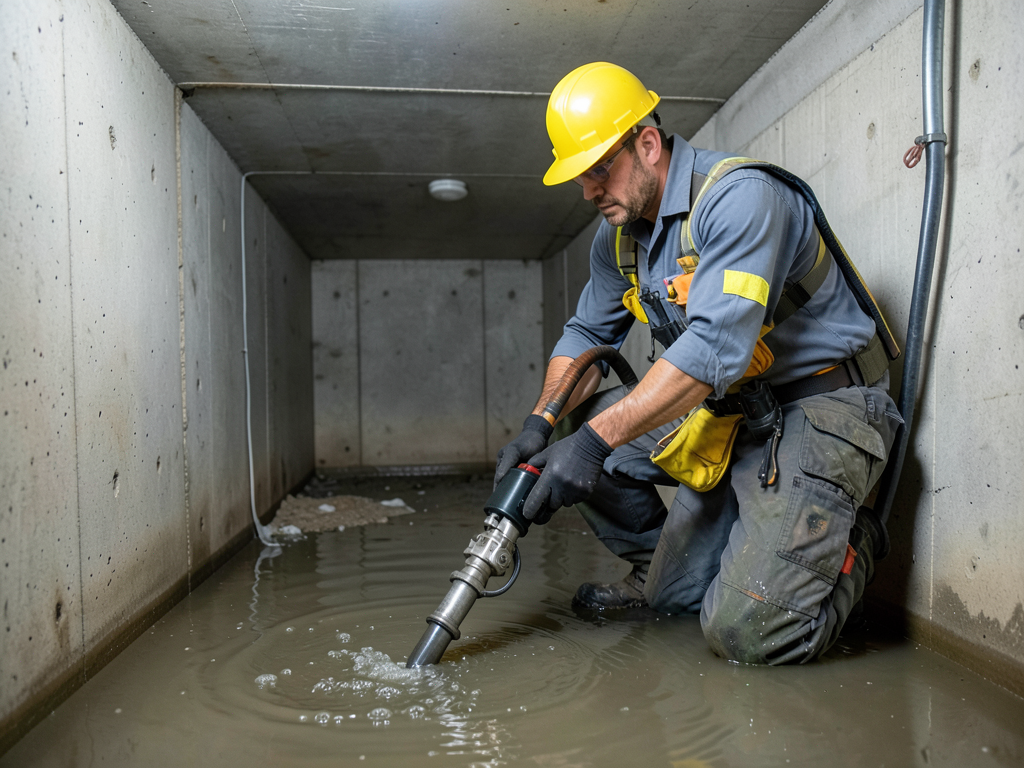
Using submersible pumps and truck-mounted extraction units, technicians remove standing water. For concrete shelters, extraction wands reach into corners where water pools. The goal is removing 95% of visible water within the first hour to prevent further absorption into porous materials.
Step 2: Industrial Dehumidification
Low-grain refrigerant (LGR) dehumidifiers are placed inside the shelter to pull moisture from air and surfaces. These units can remove 20-30 gallons of water per day from a confined space. Air movers create circulation patterns that ensure dehumidified air reaches all corners.
Step 3: Antimicrobial Treatment
After drying, surfaces are treated with EPA-registered antimicrobials. This prevents mold growth on concrete, fiberglass, or metal surfaces. The treatment includes a waiting period to ensure complete coverage before final inspection.
Step 4: Structural Assessment
Technicians use moisture meters to test concrete at multiple depths. Readings above 16% indicate ongoing moisture problems. They also inspect for structural cracks that may have widened during flooding and check door seals and ventilation systems.
Mustang-Specific Considerations for Storm Shelter Drying
Canadian County’s soil composition creates unique challenges. The region’s clay retains water for days after rainfall stops. This means even after visible water is gone, your shelter walls may still contain significant moisture. Professional drying often takes 3-5 days in Mustang, compared to 24-48 hours in areas with sandy soil.
Local building codes require proper drainage around storm shelters. If your shelter was installed before 2010, it may not meet current standards for French drain systems or exterior waterproofing membranes.
DIY vs. Professional Storm Shelter Drying: What You Need to Know
| Aspect | DIY Approach | Professional Service |
|---|---|---|
| Equipment | Wet vac, box fans | Submersible pumps, LGR dehumidifiers, air movers |
| Time to dry | 7-14 days (often incomplete) | 3-5 days with monitoring |
| Mold prevention | Limited or no treatment | EPA-registered antimicrobials applied |
| Safety compliance | No confined space protocols | OSHA-compliant entry procedures |
| Moisture verification | Visual inspection only | Moisture meters at multiple depths |
Preventing Future Storm Shelter Flooding in Mustang
After your shelter is dry, consider these preventative measures:
- Install a battery backup for your sump pump
- Extend downspouts away from the shelter
- Grade soil to slope away from the entrance
- Apply waterproof sealant to exterior walls
- Schedule annual professional inspection
Oklahoma’s weather patterns show increasing intensity in spring storms. The National Weather Service reports that flash flood events in Canadian County have increased by 15% over the past decade.
Frequently Asked Questions
How long does it take to dry out a flooded storm shelter?
Professional drying typically takes 3-5 days in Mustang due to the clay soil’s moisture retention. DIY methods often take 7-14 days and may leave hidden moisture that causes mold growth.
Can I enter my flooded storm shelter to assess the damage?
No. Flooded confined spaces pose serious risks including electrical hazards, structural weakness, and concentrated mold spores. Always call professionals with proper safety equipment and training.
Will my homeowner’s insurance cover storm shelter flooding?
Coverage varies by policy. Many standard policies exclude groundwater flooding. Check if you have a separate flood insurance policy or if your shelter damage qualifies under sudden water damage provisions.
What are signs that my shelter still has moisture problems?
Musty odors, visible condensation on walls, efflorescence (white mineral deposits), or recurring mold spots indicate ongoing moisture issues that need professional remediation. Commercial Mold Remediation.
How can I tell if my sump pump is working properly?
Test it by pouring water into the sump pit. The pump should activate automatically. Also check for unusual noises, vibrations, or failure to cycle off, which indicate maintenance needs.
Why Choose Professional Storm Shelter Drying in Mustang
Alpha Water Damage Restoration Oklahoma City serves Mustang with 24/7 emergency response. Our technicians hold IICRC certifications in water restoration and understand the unique challenges of Canadian County’s soil and weather patterns. We use commercial-grade equipment that removes moisture at the molecular level, not just surface drying. Emergency Sewage Cleanup.
Our process includes detailed documentation for insurance claims and a 30-day warranty on all drying services. We also provide recommendations for preventing future flooding based on your specific shelter design and property conditions.
Don’t risk your family’s safety with incomplete DIY drying. Call (405) 507-4400 today to schedule your storm shelter inspection and professional drying service.
Pick up the phone and call (405) 507-4400 before the next storm hits. Every hour counts when water threatens your shelter’s safety and structural integrity.
Additional Resources
For more information about water damage prevention and restoration in Oklahoma, visit these trusted sources:
- EPA Mold and Moisture Control Guide
- FEMA Flood Safety Information
- IICRC Industry Standards for Restoration
Stay prepared for Oklahoma’s severe weather. A properly dried and maintained storm shelter could save your life when the next tornado warning sounds.
{
“@context”: “https://schema.org”,
“@type”: “BlogPosting”,
“headline”: “How to Dry Out a Flooded Storm Shelter in Mustang After Heavy Rain”,
“description”: “Flooded storm shelter in Mustang OK? Learn expert drying methods, safety steps, and mold prevention for underground shelters after Oklahoma’s heavy rains.”,
“wordCount”: 1092,
“datePublished”: “2026-04-23T09:56:00.000Z”,
“dateModified”: “2026-04-23T09:56:00.000Z”,
“inLanguage”: “en-US”,
“mainEntityOfPage”: {
“@type”: “WebPage”,
“@id”: “https://alphawaterdamagerestorationoklahomacity.com”
},
“publisher”: {
“@type”: “LocalBusiness”,
“name”: “Alpha Water Damage Restoration Oklahoma City”,
“url”: “https://alphawaterdamagerestorationoklahomacity.com”
},
“author”: {
“@type”: “Organization”,
“name”: “Alpha Water Damage Restoration Oklahoma City”,
“url”: “https://alphawaterdamagerestorationoklahomacity.com”
},
“image”: {
“@type”: “ImageObject”,
“url”: “https://alphawaterdamagerestorationoklahomacity.com/wp-content/uploads/2026/03/how-to-dry-out-a-flooded-storm-shelter-in-mustang-1.png”
}
}
{
“@context”: “https://schema.org”,
“@type”: “LocalBusiness”,
“name”: “Alpha Water Damage Restoration Oklahoma City”,
“url”: “https://alphawaterdamagerestorationoklahomacity.com”,
“address”: {
“@type”: “PostalAddress”,
“addressLocality”: “Oklahoma City”
},
“areaServed”: {
“@type”: “City”,
“name”: “Oklahoma City”
}
}
{
“@context”: “https://schema.org”,
“@type”: “FAQPage”,
“mainEntity”: [
{
“@type”: “Question”,
“name”: “How long does it take to dry out a flooded storm shelter?”,
“acceptedAnswer”: {
“@type”: “Answer”,
“text”: “Professional drying typically takes 3-5 days in Mustang due to the clay soil’s moisture retention. DIY methods often take 7-14 days and may leave hidden moisture that causes mold growth.”
}
},
{
“@type”: “Question”,
“name”: “Can I enter my flooded storm shelter to assess the damage?”,
“acceptedAnswer”: {
“@type”: “Answer”,
“text”: “No. Flooded confined spaces pose serious risks including electrical hazards, structural weakness, and concentrated mold spores. Always call professionals with proper safety equipment and training.”
}
},
{
“@type”: “Question”,
“name”: “Will my homeowner’s insurance cover storm shelter flooding?”,
“acceptedAnswer”: {
“@type”: “Answer”,
“text”: “Coverage varies by policy. Many standard policies exclude groundwater flooding. Check if you have a separate flood insurance policy or if your shelter damage qualifies under sudden water damage provisions.”
}
},
{
“@type”: “Question”,
“name”: “What are signs that my shelter still has moisture problems?”,
“acceptedAnswer”: {
“@type”: “Answer”,
“text”: “Musty odors, visible condensation on walls, efflorescence (white mineral deposits), or recurring mold spots indicate ongoing moisture issues that need professional remediation. Commercial Mold Remediation.”
}
}
]
}
{
“@context”: “https://schema.org”,
“@type”: “BreadcrumbList”,
“itemListElement”: [
{
“@type”: “ListItem”,
“position”: 1,
“name”: “Home”,
“item”: “https://alphawaterdamagerestorationoklahomacity.com”
},
{
“@type”: “ListItem”,
“position”: 2,
“name”: “Blog”,
“item”: “https://alphawaterdamagerestorationoklahomacity.com/blog”
},
{
“@type”: “ListItem”,
“position”: 3,
“name”: “How to Dry Out a Flooded Storm Shelter in Mustang After Heavy Rain”
}
]
}
{
“@context”: “https://schema.org”,
“@type”: “Service”,
“serviceType”: “Water Damage Restoration”,
“provider”: {
“@type”: “LocalBusiness”,
“name”: “Alpha Water Damage Restoration Oklahoma City”,
“url”: “https://alphawaterdamagerestorationoklahomacity.com”
},
“areaServed”: {
“@type”: “City”,
“name”: “Oklahoma City”
},
“description”: “Flooded storm shelter in Mustang OK? Learn expert drying methods, safety steps, and mold prevention for underground shelters after Oklahoma’s heavy rains.”
}