
How to Get Rid of That Lingering Damp Smell in Your Capitol Hill Home After a Flood
The musty odor lingering in your Capitol Hill home after a flood isn’t just unpleasant—it’s a warning sign. That smell means moisture is still trapped in your walls, floors, or subflooring, creating the perfect environment for microbial growth. In Oklahoma City’s humid climate, these odors can develop within 24-48 hours and worsen quickly if not addressed properly. The Top Rated Flood Damage Restoration Experts in Yukon.
Before you reach for air fresheners or candles, understand that masking the smell won’t solve the underlying problem. The damp odor you’re experiencing is caused by microbial volatile organic compounds (mVOCs) released by active mold and bacteria colonies growing in hidden moisture pockets throughout your home’s structure.
Here’s what you need to know about identifying the source, taking immediate action, and knowing when it’s time to call professionals like Alpha Water Damage Restoration at (405) 507-4400. Emergency Water Removal in Edmond OK – Fast Help When Pipes Burst.
Safety First: What That Smell Is Telling You
The first step is determining what type of odor you’re dealing with. A musty, earthy smell typically indicates active mold growth, while a foul, sewage-like odor suggests contamination from black water or sewer backup. In Capitol Hill’s older homes near the Oklahoma River, the smell could also be coming from moisture trapped in historic brick masonry or pier-and-beam foundations. Midwest City Sewage Damage Restoration and Residential Cleanup Services.
Before investigating further, turn off electricity to affected areas if there’s any chance water reached outlets or appliances. Wear an N95 respirator mask, especially if you have respiratory issues or allergies. Oklahoma City’s high humidity means mold can colonize rapidly—sometimes within 24 hours of water exposure.
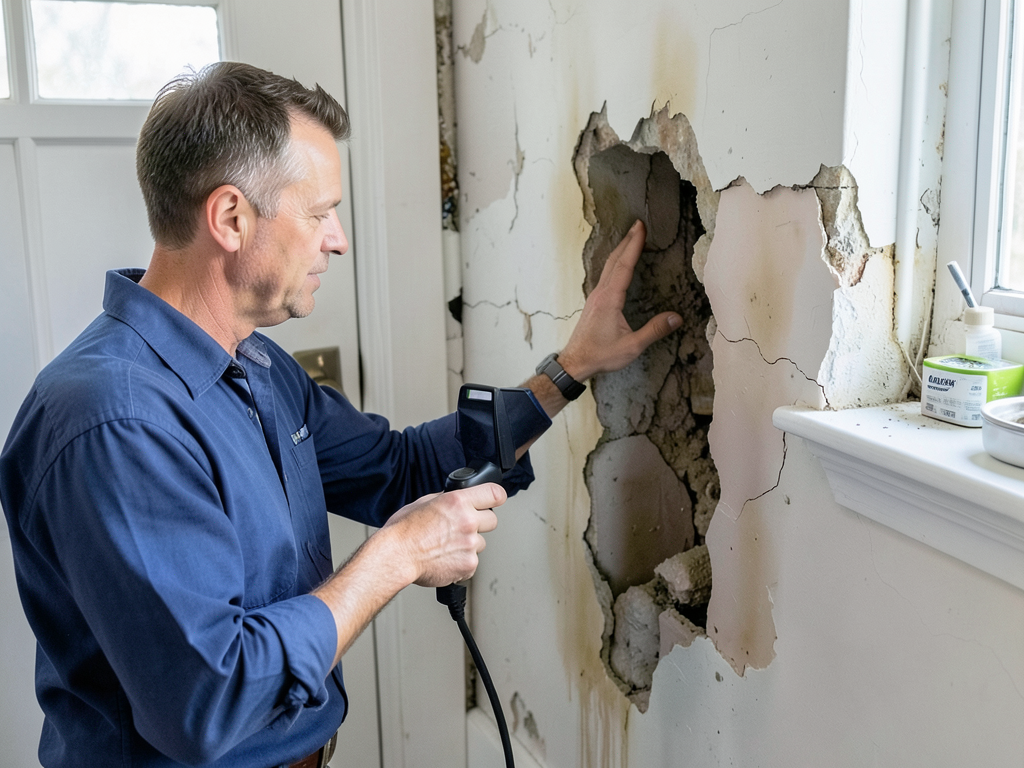
Check for visible signs of water damage: water stains on ceilings or walls, bubbling paint, warped flooring, or condensation on windows. Use a moisture meter (available at hardware stores) to test suspect areas. Readings above 16% moisture content in wood or 20% in drywall indicate active moisture problems requiring professional attention. Content Cleaning & Pack-Out.
If the smell is accompanied by visible mold growth, respiratory irritation, or if you suspect sewage contamination, stop DIY efforts immediately. Call (405) 507-4400 for emergency assessment. These situations require professional remediation to protect your health and prevent further structural damage. Emergency Sewage Cleanup.
Step-By-Step DIY Deodorizing: What Works and What Doesn’t
If the flooding was minor and you’ve already removed standing water, you can try these steps to address surface-level odors. However, understand these are temporary measures—the smell will return if moisture remains trapped in building materials.
Start by increasing air circulation. Open windows and use fans to create cross-ventilation, but avoid using your HVAC system if it was exposed to flood water. Standard box fans move about 2,000 cubic feet per minute (CFM), while professional-grade air movers used by restoration companies move 3,000-5,000 CFM for more effective drying.
Place dehumidifiers in affected rooms. Consumer models typically remove 30-70 pints of moisture per day, while commercial units used by professionals can extract 150+ pints daily. In Capitol Hill’s 60-70% average humidity, you’ll need to empty residential dehumidifiers frequently or use continuous drain options.
For surface cleaning, mix one cup of white vinegar with one gallon of warm water. Vinegar kills about 82% of mold species and neutralizes many odor-causing bacteria. However, it won’t penetrate porous materials where mold roots (hyphae) grow. Baking soda can absorb some odors but won’t eliminate the source.
Steam cleaning carpets and upholstery can help with surface odors, but if padding is wet underneath, you’re just treating symptoms. Professional extraction equipment uses 200+ degree steam and 500+ PSI pressure to sanitize deep into fibers—far beyond rental units’ capabilities.
These DIY methods might provide temporary relief, but if the smell persists after 48-72 hours of drying efforts, the problem has likely spread into structural materials. That’s when you need professional intervention from Alpha Water Damage Restoration at (405) 507-4400.
The Science Behind Post-Flood Odors in Oklahoma Homes
Understanding why that smell persists requires knowing how water behaves in Oklahoma’s building materials and climate. When flood water enters your Capitol Hill home, it doesn’t just sit on surfaces—it wicks into porous materials through capillary action. A single inch of standing water can wick up two feet into drywall within hours.
Oklahoma’s expansive clay soil creates additional challenges. When this soil gets saturated, it expands and can crack foundations, creating pathways for water to enter basements and crawl spaces. The clay also retains moisture for extended periods, maintaining high humidity levels that slow structural drying even after surface water is removed.. Read more about What Happens When Your Encapsulated Crawl Space Floods in Spencer?.
Microbial volatile organic compounds (mVOCs) are the actual source of that damp smell. These gases are produced when mold, bacteria, and other microorganisms break down organic materials like wood, paper (drywall), and natural fibers. In Oklahoma’s warm climate, these organisms multiply rapidly—often doubling in population every 24-48 hours under optimal moisture and temperature conditions.
Common hiding spots in Capitol Hill homes include: subflooring beneath hardwood or tile, wall cavities behind baseboards, insulation in exterior walls, and the cavities of pier-and-beam foundations. A professional moisture map using infrared thermal imaging can reveal these hidden moisture pockets that aren’t visible to the naked eye.
The Oklahoma City area’s average relative humidity of 65-70% means materials dry much slower than in drier climates. What might take 3-4 days to dry in Arizona can take 7-10 days in Oklahoma City, giving mold and bacteria more time to establish colonies and produce those characteristic musty odors.
Professional Odor Removal: When DIY Isn’t Enough
Professional restoration companies use industrial-grade equipment and scientifically proven methods to eliminate post-flood odors at their source. The process begins with moisture mapping using thermal imaging cameras and penetrating moisture meters to identify all affected areas—not just those you can see or smell.
Industrial dehumidifiers used in professional restoration remove 150-200 pints of moisture per day compared to residential units’ 30-70 pints. These units, combined with high-velocity air movers (3,000-5,000 CFM each), can reduce drying times by 60-70% compared to DIY methods.
Professional odor removal techniques include:
- HEPA air scrubbing: Removes 99.97% of particles 0.3 microns or larger, including mold spores and mVOC particles
- Hydroxyl generation: Uses UV light to create hydroxyl radicals that break down odor molecules at the chemical level
- Thermal fogging: Heated deodorizing agents penetrate porous materials where odors hide
- Ozone treatment: Powerful oxidizer that destroys odor-causing molecules (requires evacuation during treatment)
Antimicrobial treatments used by professionals contain agents that continue working for weeks after application, preventing regrowth while materials dry completely. These are far more effective than household cleaners, which provide only surface-level treatment.
Professional restoration follows IICRC S500 standards for water damage restoration, which specify drying goals based on the material and class of water damage. For example, Class 3 water damage (greatest amount of absorption) in Capitol Hill’s older homes often requires removing baseboards, drilling inspection holes, or even cutting out sections of drywall to ensure complete drying. IICRC S500 Standards.
The cost of professional odor removal varies based on the extent of damage, but addressing the problem early typically costs 40-60% less than waiting until mold spreads throughout structural materials. Call Alpha Water Damage Restoration at (405) 507-4400 for a free assessment before that smell becomes a major health hazard.
Navigating Insurance Claims for Odor Removal in Oklahoma City
Most standard homeowners insurance policies in Oklahoma cover sudden water damage from burst pipes or storm-related flooding, but coverage for odor removal depends on how the damage is documented and classified. The key is proving the odor resulted from a covered loss rather than long-term neglect or maintenance issues.
Document everything immediately. Take photos and videos of the affected areas, including close-ups of water stains, warped materials, and any visible mold growth. Note the date and time flooding occurred, and keep records of all DIY drying efforts, including receipts for equipment rentals and cleaning supplies.
Oklahoma insurance adjusters look for specific evidence when evaluating odor-related claims. They’ll want to see moisture readings from professional meters, documentation of the water source, and proof that you took immediate action to mitigate damage. Failure to mitigate can result in claim denial or reduced payouts.
Professional restoration companies like Alpha Water Damage Restoration provide detailed documentation that insurance companies require, including moisture maps, drying logs, and before/after photos. This documentation often makes the difference between approval and denial for odor removal coverage.
In Capitol Hill, where many homes are historic properties, additional documentation may be required to ensure restoration work meets local preservation guidelines. The Oklahoma City Historic Preservation Commission has specific requirements for modifications to properties in historic districts.
Most insurance companies require you to report water damage within 14 days of discovery. After that window, they may classify the damage as long-term or gradual, which typically isn’t covered. If you’re dealing with persistent odors more than two weeks after flooding, call (405) 507-4400 immediately to document the ongoing issue.
Local Success Story: Capitol Hill Odor Elimination
Recently, a Capitol Hill homeowner near SE 25th Street called Alpha Water Damage Restoration about a persistent musty smell three weeks after a storm caused minor flooding in their 1940s bungalow. The homeowner had used fans and dehumidifiers for several days, but the odor kept returning, especially during Oklahoma’s humid evenings.
Our technicians conducted a comprehensive moisture assessment using infrared thermal imaging and discovered water had wicked up several feet into the drywall and was trapped in the original wood subflooring. The home’s pier-and-beam foundation, common in older Capitol Hill homes, had created hidden pockets where moisture lingered.
We implemented a targeted drying strategy using commercial-grade equipment, removing sections of drywall to access wall cavities and setting up specialized drying chambers. Within 72 hours, moisture readings returned to normal levels, and the odor was eliminated. The entire process was documented for insurance purposes, resulting in full coverage approval.
This case illustrates why professional assessment is crucial—what seemed like a minor odor problem was actually extensive moisture trapped in historic building materials. Without proper detection and treatment, the homeowner could have faced thousands in mold remediation costs and potential health issues.
If you’re experiencing similar issues in your Capitol Hill home, don’t wait for the problem to worsen. Call (405) 507-4400 for a professional assessment. Our team understands the unique challenges of Oklahoma City’s climate and architecture, and we’ll develop a customized solution to eliminate that damp smell permanently.
Frequently Asked Questions
How long does it take for flood odors to develop?
Odors can begin developing within 24-48 hours after flooding, as mold and bacteria start producing microbial volatile organic compounds (mVOCs). In Oklahoma’s humid climate, this process happens even faster. If you notice a damp smell within a few days of water exposure, it’s likely that microbial growth has already begun in hidden areas.
Can I just use air fresheners to mask the smell?
No. Air fresheners only mask odors temporarily and can actually make the problem worse by adding moisture to the air. The underlying moisture that’s causing the odor needs to be eliminated first. Once the source is removed and the area is properly dried, professional-grade odor neutralizers can help eliminate any remaining smell.
Is the damp smell dangerous to my health?
Yes, it can be. The odor indicates active microbial growth, which can trigger allergies, asthma attacks, and other respiratory issues. Some people experience headaches, fatigue, and eye irritation when exposed to mVOCs. Children, elderly individuals, and those with compromised immune systems are particularly vulnerable to these health effects.
How much does professional odor removal cost?
Costs vary widely based on the extent of damage, but most professional odor removal services in Oklahoma City range from $500 to $5,000. Factors affecting cost include the size of the affected area, the type of materials involved, and whether structural modifications are needed. Many homeowners insurance policies cover these services if the damage results from a covered loss.
How can I tell if the smell is from mold or sewage?
Mold typically produces a musty, earthy odor often described as damp or like wet socks. Sewage odors are more foul and pungent, similar to rotten eggs or garbage. If you’re unsure or if the smell appeared after flooding, it’s best to have a professional assessment. Sewage contamination requires immediate professional remediation due to serious health risks.

- Identify the Source
Use your senses to determine if the odor is musty (mold) or foul (sewage). Check for visible water damage, moisture stains, or warping. Turn off electricity to affected areas and wear protective equipment before investigating further.
- Initial Drying Efforts
Increase air circulation with fans, use dehumidifiers, and open windows if weather permits. Focus on removing standing water and surface moisture. Document all DIY efforts with photos and notes for insurance purposes.
- Surface Cleaning
Clean hard surfaces with a vinegar solution (1 cup vinegar per gallon of water). Use baking soda on carpets and upholstery to absorb odors. Steam clean if equipment is available, but understand this won’t reach hidden moisture.
- Monitor and Assess
If the smell persists after 48-72 hours of drying efforts, moisture is likely trapped in building materials. Use a moisture meter to check suspect areas. Readings above 16% in wood or 20% in drywall indicate professional help is needed.
- Call Professionals
Contact Alpha Water Damage Restoration at (405) 507-4400 for a professional assessment if DIY methods don’t resolve the issue within 3-4 days. Professional equipment and techniques can detect and eliminate hidden moisture that DIY methods miss.
Don’t Let That Smell Become a Bigger Problem
That damp odor in your Capitol Hill home isn’t just a nuisance—it’s a sign of active moisture problems that will only worsen over time. In Oklahoma City’s humid climate, what starts as a minor odor can quickly escalate into extensive mold damage, structural issues, and serious health concerns for your family.
Every day you wait allows mold colonies to expand deeper into your home’s materials, making remediation more complex and expensive. The science is clear: microbial growth accelerates rapidly in Oklahoma’s warm, humid conditions, and those odors are your early warning system.
Alpha Water Damage Restoration has been helping Oklahoma City homeowners eliminate post-flood odors for over 15 years. Our team understands the unique challenges of Capitol Hill’s historic homes, from pier-and-beam foundations to original wood subflooring that requires specialized drying techniques.
We use industrial-grade equipment, follow IICRC S500 standards, and provide detailed documentation that insurance companies require. Most importantly, we guarantee our work—if that smell comes back, so do we, at no additional cost.
Don’t risk your family’s health or your home’s value. Call (405) 507-4400 today to schedule your free odor assessment. Our technicians will identify the source, explain your options clearly, and get started immediately if you choose to proceed. That call could save you thousands in future repairs and protect your family’s wellbeing. EPA Mold Resources.
Pick up the phone and call (405) 507-4400 before the next Oklahoma storm hits. Your home deserves professional care, and your family deserves to breathe clean, odor-free air again.
{
“@context”: “https://schema.org”,
“@type”: “BlogPosting”,
“headline”: “How to Get Rid of That Lingering Damp Smell in Your Capitol Hill Home After a Flood”,
“description”: “Stop that musty odor after flooding in Capitol Hill OKC. Learn the science of post-flood smells and when to call (405) 507-4400 for professional odor removal.”,
“wordCount”: 2512,
“datePublished”: “2026-05-31T09:58:00.000Z”,
“dateModified”: “2026-05-31T09:58:00.000Z”,
“inLanguage”: “en-US”,
“mainEntityOfPage”: {
“@type”: “WebPage”,
“@id”: “https://alphawaterdamagerestorationoklahomacity.com”
},
“publisher”: {
“@type”: “LocalBusiness”,
“name”: “Alpha Water Damage Restoration Oklahoma City”,
“url”: “https://alphawaterdamagerestorationoklahomacity.com”
},
“author”: {
“@type”: “Organization”,
“name”: “Alpha Water Damage Restoration Oklahoma City”,
“url”: “https://alphawaterdamagerestorationoklahomacity.com”
},
“image”: {
“@type”: “ImageObject”,
“url”: “https://alphawaterdamagerestorationoklahomacity.com/wp-content/uploads/2026/03/how-to-get-rid-of-that-lingering-damp-smell-in-you-1.png”
}
}
{
“@context”: “https://schema.org”,
“@type”: “LocalBusiness”,
“name”: “Alpha Water Damage Restoration Oklahoma City”,
“url”: “https://alphawaterdamagerestorationoklahomacity.com”,
“address”: {
“@type”: “PostalAddress”,
“addressLocality”: “Oklahoma City”
},
“areaServed”: {
“@type”: “City”,
“name”: “Oklahoma City”
}
}
{
“@context”: “https://schema.org”,
“@type”: “FAQPage”,
“mainEntity”: [
{
“@type”: “Question”,
“name”: “How long does it take for flood odors to develop?”,
“acceptedAnswer”: {
“@type”: “Answer”,
“text”: “Odors can begin developing within 24-48 hours after flooding, as mold and bacteria start producing microbial volatile organic compounds (mVOCs). In Oklahoma’s humid climate, this process happens even faster. If you notice a damp smell within a few days of water exposure, it’s likely that microbial growth has already begun in hidden areas.”
}
},
{
“@type”: “Question”,
“name”: “Can I just use air fresheners to mask the smell?”,
“acceptedAnswer”: {
“@type”: “Answer”,
“text”: “No. Air fresheners only mask odors temporarily and can actually make the problem worse by adding moisture to the air. The underlying moisture that’s causing the odor needs to be eliminated first. Once the source is removed and the area is properly dried, professional-grade odor neutralizers can help eliminate any remaining smell.”
}
},
{
“@type”: “Question”,
“name”: “Is the damp smell dangerous to my health?”,
“acceptedAnswer”: {
“@type”: “Answer”,
“text”: “Yes, it can be. The odor indicates active microbial growth, which can trigger allergies, asthma attacks, and other respiratory issues. Some people experience headaches, fatigue, and eye irritation when exposed to mVOCs. Children, elderly individuals, and those with compromised immune systems are particularly vulnerable to these health effects.”
}
},
{
“@type”: “Question”,
“name”: “How much does professional odor removal cost?”,
“acceptedAnswer”: {
“@type”: “Answer”,
“text”: “Costs vary widely based on the extent of damage, but most professional odor removal services in Oklahoma City range from $500 to $5,000. Factors affecting cost include the size of the affected area, the type of materials involved, and whether structural modifications are needed. Many homeowners insurance policies cover these services if the damage results from a covered loss.”
}
},
{
“@type”: “Question”,
“name”: “How can I tell if the smell is from mold or sewage?”,
“acceptedAnswer”: {
“@type”: “Answer”,
“text”: “Mold typically produces a musty, earthy odor often described as damp or like wet socks. Sewage odors are more foul and pungent, similar to rotten eggs or garbage. If you’re unsure or if the smell appeared after flooding, it’s best to have a professional assessment. Sewage contamination requires immediate professional remediation due to serious health risks.”
}
}
]
}
{
“@context”: “https://schema.org”,
“@type”: “HowTo”,
“name”: “How to Get Rid of Damp Smell After a Flood”,
“step”: [
{
“@type”: “HowToStep”,
“position”: 1,
“name”: “Identify the Source”,
“text”: “Use your senses to determine if the odor is musty (mold) or foul (sewage). Check for visible water damage, moisture stains, or warping. Turn off electricity to affected areas and wear protective equipment before investigating further.”
},
{
“@type”: “HowToStep”,
“position”: 2,
“name”: “Initial Drying Efforts”,
“text”: “Increase air circulation with fans, use dehumidifiers, and open windows if weather permits. Focus on removing standing water and surface moisture. Document all DIY efforts with photos and notes for insurance purposes.”
},
{
“@type”: “HowToStep”,
“position”: 3,
“name”: “Surface Cleaning”,
“text”: “Clean hard surfaces with a vinegar solution (1 cup vinegar per gallon of water). Use baking soda on carpets and upholstery to absorb odors. Steam clean if equipment is available, but understand this won’t reach hidden moisture.”
},
{
“@type”: “HowToStep”,
“position”: 4,
“name”: “Monitor and Assess”,
“text”: “If the smell persists after 48-72 hours of drying efforts, moisture is likely trapped in building materials. Use a moisture meter to check suspect areas. Readings above 16% in wood or 20% in drywall indicate professional help is needed.”
},
{
“@type”: “HowToStep”,
“position”: 5,
“name”: “Call Professionals”,
“text”: “Contact Alpha Water Damage Restoration at (405) 507-4400 for a professional assessment if DIY methods don’t resolve the issue within 3-4 days. Professional equipment and techniques can detect and eliminate hidden moisture that DIY methods miss.”
}
],
“image”: “https://alphawaterdamagerestorationoklahomacity.com/wp-content/uploads/2026/03/how-to-get-rid-of-that-lingering-damp-smell-in-you-1.png”
}
{
“@context”: “https://schema.org”,
“@type”: “BreadcrumbList”,
“itemListElement”: [
{
“@type”: “ListItem”,
“position”: 1,
“name”: “Home”,
“item”: “https://alphawaterdamagerestorationoklahomacity.com”
},
{
“@type”: “ListItem”,
“position”: 2,
“name”: “Blog”,
“item”: “https://alphawaterdamagerestorationoklahomacity.com/blog”
},
{
“@type”: “ListItem”,
“position”: 3,
“name”: “How to Get Rid of That Lingering Damp Smell in Your Capitol Hill Home After a Flood”
}
]
}
{
“@context”: “https://schema.org”,
“@type”: “Service”,
“serviceType”: “Water Damage Restoration”,
“provider”: {
“@type”: “LocalBusiness”,
“name”: “Alpha Water Damage Restoration Oklahoma City”,
“url”: “https://alphawaterdamagerestorationoklahomacity.com”
},
“areaServed”: {
“@type”: “City”,
“name”: “Oklahoma City”
},
“description”: “Stop that musty odor after flooding in Capitol Hill OKC. Learn the science of post-flood smells and when to call (405) 507-4400 for professional odor removal.”
}