
Saving Your Original Hardwood Floors After Water Damage in the Paseo District
When water hits your Paseo District hardwood floors the clock starts ticking. Every hour of moisture exposure increases the risk of permanent warping cupping or mold growth. In Oklahoma City’s humid climate even a small leak can turn into a major restoration project if not handled immediately. This guide shows you exactly what happens to wood when it gets wet how professionals assess the damage and what it takes to bring your floors back to life without replacing them. Emergency Water Removal in Edmond OK – Fast Help When Pipes Burst.
Why Paseo District Homes Face Unique Water Damage Risks
The Paseo District’s historic bungalows built in the 1920s and 1930s feature original solid hardwood floors that add character and value to your home. However these older homes often have aging plumbing systems with galvanized pipes that corrode from the inside out. When a pipe finally bursts water can spread quickly through tongue-and-groove flooring and into the subfloor below. Oklahoma’s expansive clay soil also causes foundation shifts that can stress plumbing joints leading to slow leaks that go unnoticed until the damage becomes severe.. Read more about What to do when your refrigerator water line leaks in Midtown OKC.
Immediate Steps: What to Do When Your Floors Get Wet
Time is your enemy when hardwood floors get wet. Here’s what to do within the first 24 hours:
- Stop the Water Source
Shut off the main water valve immediately. If you can’t locate it call a plumber right away. Every minute counts.
- Remove Standing Water
Use towels mops or a wet vacuum to remove surface water. Do not use a regular vacuum it can cause electrical hazards.
- Increase Air Circulation
Open windows if weather permits and set up fans. However fans alone won’t dry hardwood floors effectively in Oklahoma’s humid climate.
- Document the Damage
Take photos and videos for insurance purposes before moving furniture or making repairs. EPA Mold Guidelines.
Warning: Do not attempt to sand or refinish wet floors. This can trap moisture and cause more severe damage. Call (405) 507-4400 for professional assessment before taking further action.
Assessing the Damage: Cupping vs. Crowning
Wood reacts to moisture by expanding and contracting. Understanding these reactions helps determine if your floors can be saved:. Read more about Can Your Carpet and Padding Be Saved After a Flood in Valley Brook?.
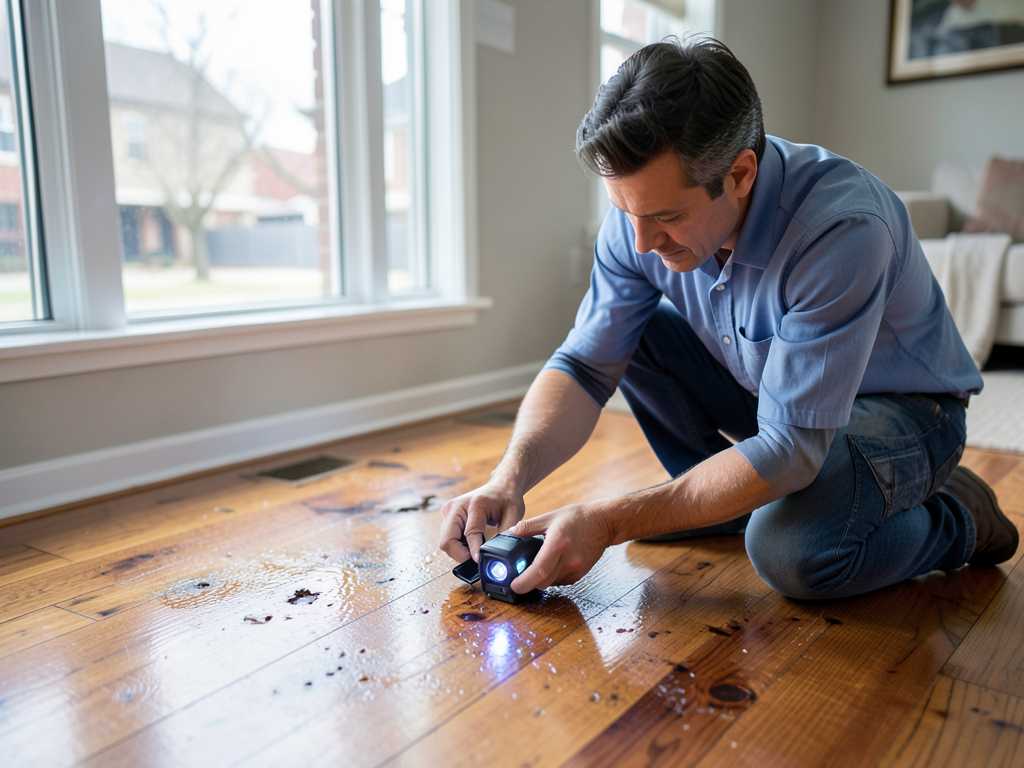
Cupping occurs when the edges of boards rise higher than the center creating a concave shape. This happens when moisture comes from below the floor such as from a slab leak or wet subfloor. The bottom of the board absorbs more moisture than the top causing it to expand more on the underside.
Crowning is the opposite effect where the center of the board rises higher than the edges creating a convex shape. This typically happens when the top surface gets wet while the bottom remains dry or when previously cupped floors are sanded too soon before they’ve fully dried.
Buckling is the most severe reaction where boards completely pull away from the subfloor often due to prolonged water exposure or hydrostatic pressure from below.
The Restoration Process: How We Save OKC Hardwood Floors
Professional hardwood floor restoration follows a systematic approach based on IICRC S500 standards for water damage restoration. Here’s what the process looks like:. Read more about Specialized Restoration Techniques for High End Finishes in Gaillardia Residences.
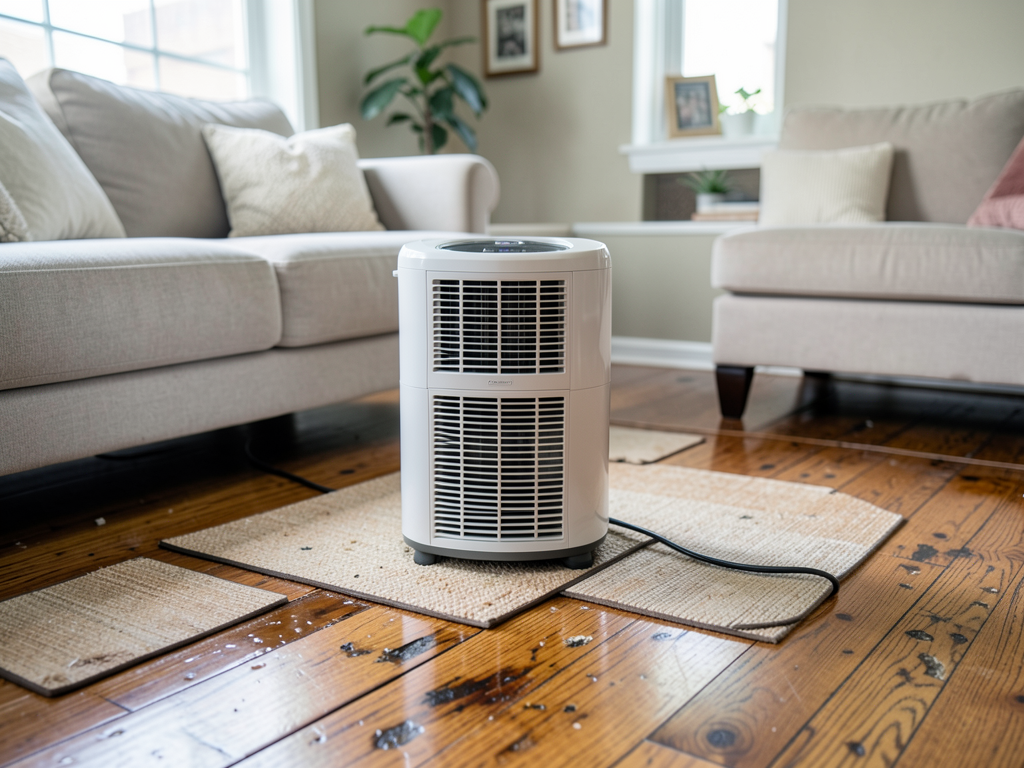
- Water Extraction and Containment
Using truck-mounted extraction units we remove standing water from the surface and from between floorboards. We set up containment barriers to prevent moisture migration to unaffected areas.
- Moisture Mapping
We use infrared cameras and moisture meters to detect hidden moisture in walls under cabinets and within the subfloor. This step identifies all affected areas not just visible damage.
- Dehumidification
Low Grain Refrigerant (LGR) dehumidifiers are placed throughout the affected area. These units can remove 20-30 gallons of water per day from the air maintaining optimal drying conditions.
- Hardwood Floor Drying Mats
Specialized drying mats create negative pressure that pulls moisture from deep within the wood and subfloor. This process can reduce drying time by 50% compared to conventional methods.
- Moisture Monitoring
We monitor moisture content daily using penetrating moisture meters. Wood must reach 6-9% moisture content before refinishing can begin. This typically takes 3-7 days depending on severity. Content Cleaning & Pack-Out.
- Sanding and Refinishing
Once dry we sand the floors to remove cupping or crowning then apply stain and finish coats. The process restores the original beauty while adding protection against future moisture.
Why Oklahoma Humidity Matters for Floor Recovery
Oklahoma City’s average relative humidity ranges from 65-75% throughout the year. This high moisture content in the air significantly impacts hardwood floor drying times. Standard fans and dehumidifiers often can’t achieve the low vapor pressure differential needed to extract moisture from dense hardwood.
Professional restoration uses LGR dehumidifiers that can achieve dew points below 40°F. This extreme dryness creates the vapor pressure differential necessary to pull moisture from deep within wood fibers. Without this equipment floors can take weeks to dry naturally during which time mold can begin growing within 48-72 hours.
The Oklahoma climate also means wood floors need to acclimate to seasonal humidity changes. We monitor Equilibrium Moisture Content (EMC) to ensure floors won’t cup again when humidity levels change with the seasons.
Insurance Claims for Water Damage in Oklahoma
Most homeowner insurance policies in Oklahoma cover sudden and accidental water damage but not gradual damage from poor maintenance. Here’s what you need to know:
Documentation Requirements Insurance adjusters need clear evidence of the damage source extent and mitigation steps taken. This includes photos moisture readings and professional estimates.
Time Sensitivity Most policies require you to mitigate further damage after a loss. Waiting too long can result in claim denial for negligence.
Local Adjuster Considerations Oklahoma City adjusters understand local building practices and common failure points in older homes. They often approve restoration over replacement when damage is caught early.
We work directly with insurance companies providing the documentation needed for claim approval. Our technicians are familiar with local adjusters’ requirements and can expedite the process.
Save vs. Replace: When Restoration Makes Sense
Not all water-damaged hardwood floors can be saved. Here’s how we determine the best approach:
| Damage Level | Restoration Possible | Replacement Needed |
|---|---|---|
| Category 1 Clean Water | Yes if addressed within 24-48 hours | Rarely |
| Category 2 Gray Water | Often yes with proper cleaning | If contamination is severe |
| Category 3 Black Water | No due to contamination | Always |
| Structural Damage | Only if subfloor is intact | Yes if subfloor is compromised |
Category 1 water comes from clean sources like broken supply lines. Category 2 includes dishwasher or washing machine overflows. Category 3 involves sewage or floodwater that requires complete replacement due to contamination risks. Midwest City Sewage Damage Restoration and Residential Cleanup Services.
Preventing Future Water Damage in Your Paseo Home
After restoration we help you prevent future incidents:
- Install water leak detection systems that shut off supply when leaks are detected
- Replace old galvanized pipes with PEX or copper before they fail
- Improve drainage around your foundation to reduce hydrostatic pressure
- Maintain your HVAC system to control indoor humidity levels
- Schedule annual plumbing inspections to catch small issues before they become emergencies
Many Paseo District homeowners don’t realize their beautiful hardwood floors are sitting on concrete slabs that can transmit moisture from the ground. We can test for vapor transmission and recommend moisture barriers if needed.
The Cost Factor: Restoration vs. Replacement
Professional hardwood floor restoration typically costs 40-60% less than complete replacement. Here’s why:
- No demolition and disposal fees
- Less material waste and environmental impact
- Preservation of original character and patina
- Shorter project timeline (days vs. weeks)
Insurance companies often prefer restoration when possible because it reduces claim costs while achieving the same functional result.
Why Choose Local OKC Restoration Experts
Water damage restoration isn’t just about equipment it’s about understanding local conditions. Our team has restored hundreds of hardwood floors throughout the Oklahoma City metro including many in the Paseo District. We understand:
- How Oklahoma’s clay soil affects foundation moisture levels
- The specific challenges of restoring 1920s construction methods
- Local building codes and insurance requirements
- Seasonal humidity patterns that affect drying times
We’re not a national chain. We’re your neighbors who understand the unique character of Paseo District homes and the importance of preserving their historic features.
Frequently Asked Questions
How long does hardwood floor restoration take?
Most restoration projects take 5-10 days from initial assessment to final refinishing. Drying time accounts for 3-7 days of that timeline depending on damage severity and humidity levels.
Can I stay in my home during restoration?
Often yes. We set up containment barriers and use air scrubbers to maintain indoor air quality. However you may need to avoid affected areas during the drying process.
Will my insurance cover the restoration?
Most policies cover sudden and accidental water damage. We’ll help you document the damage and work directly with your insurance company to maximize your coverage.
How can I tell if my floors are too damaged to save?
Signs that restoration may not be possible include severe buckling multiple boards separating from the subfloor or contamination from sewage or floodwater. A professional assessment can determine salvageability. The Top Rated Flood Damage Restoration Experts in Yukon.
What’s the difference between cupping and crowning?
Cupping is when board edges rise higher than the center creating a concave shape. Crowning is when the center rises higher than the edges creating a convex shape. Both indicate moisture issues but require different treatment approaches.
Don’t let water damage destroy your beautiful Paseo District hardwood floors. With professional restoration you can often save your original flooring while preserving the character and value of your historic home. Call (405) 507-4400 today for a free assessment before the damage becomes permanent.
Emergency Response Available 24/7 – We’re ready to help when disaster strikes. Our team arrives within 60 minutes of your call to begin the restoration process and prevent further damage to your home.
{
“@context”: “https://schema.org”,
“@type”: “BlogPosting”,
“headline”: “Saving Your Original Hardwood Floors After Water Damage in the Paseo District”,
“description”: “Learn how to save your Paseo District hardwood floors after water damage. Our OKC experts use IICRC S500 standards to restore cupping, crowning, and moisture issues.”,
“wordCount”: 1636,
“datePublished”: “2026-03-07T11:49:00.000Z”,
“dateModified”: “2026-03-07T11:49:00.000Z”,
“inLanguage”: “en-US”,
“mainEntityOfPage”: {
“@type”: “WebPage”,
“@id”: “https://alphawaterdamagerestorationoklahomacity.com”
},
“publisher”: {
“@type”: “LocalBusiness”,
“name”: “Alpha Water Damage Restoration Oklahoma City”,
“url”: “https://alphawaterdamagerestorationoklahomacity.com”
},
“author”: {
“@type”: “Organization”,
“name”: “Alpha Water Damage Restoration Oklahoma City”,
“url”: “https://alphawaterdamagerestorationoklahomacity.com”
},
“image”: {
“@type”: “ImageObject”,
“url”: “https://alphawaterdamagerestorationoklahomacity.com/wp-content/uploads/2026/03/saving-your-original-hardwood-floors-after-water-d-1.png”
}
}
{
“@context”: “https://schema.org”,
“@type”: “LocalBusiness”,
“name”: “Alpha Water Damage Restoration Oklahoma City”,
“url”: “https://alphawaterdamagerestorationoklahomacity.com”,
“address”: {
“@type”: “PostalAddress”,
“addressLocality”: “Oklahoma City”
},
“areaServed”: {
“@type”: “City”,
“name”: “Oklahoma City”
}
}
{
“@context”: “https://schema.org”,
“@type”: “FAQPage”,
“mainEntity”: [
{
“@type”: “Question”,
“name”: “How long does hardwood floor restoration take?”,
“acceptedAnswer”: {
“@type”: “Answer”,
“text”: “Most restoration projects take 5-10 days from initial assessment to final refinishing. Drying time accounts for 3-7 days of that timeline depending on damage severity and humidity levels.”
}
},
{
“@type”: “Question”,
“name”: “Can I stay in my home during restoration?”,
“acceptedAnswer”: {
“@type”: “Answer”,
“text”: “Often yes. We set up containment barriers and use air scrubbers to maintain indoor air quality. However you may need to avoid affected areas during the drying process.”
}
},
{
“@type”: “Question”,
“name”: “Will my insurance cover the restoration?”,
“acceptedAnswer”: {
“@type”: “Answer”,
“text”: “Most policies cover sudden and accidental water damage. We’ll help you document the damage and work directly with your insurance company to maximize your coverage.”
}
},
{
“@type”: “Question”,
“name”: “How can I tell if my floors are too damaged to save?”,
“acceptedAnswer”: {
“@type”: “Answer”,
“text”: “Signs that restoration may not be possible include severe buckling multiple boards separating from the subfloor or contamination from sewage or floodwater. A professional assessment can determine salvageability. The Top Rated Flood Damage Restoration Experts in Yukon.”
}
},
{
“@type”: “Question”,
“name”: “What’s the difference between cupping and crowning?”,
“acceptedAnswer”: {
“@type”: “Answer”,
“text”: “Cupping is when board edges rise higher than the center creating a concave shape. Crowning is when the center rises higher than the edges creating a convex shape. Both indicate moisture issues but require different treatment approaches.”
}
}
]
}
{
“@context”: “https://schema.org”,
“@type”: “HowTo”,
“name”: “Emergency Water Damage Response”,
“step”: [
{
“@type”: “HowToStep”,
“position”: 1,
“name”: “Stop the Water Source”,
“text”: “Shut off the main water valve immediately. If you can’t locate it call a plumber right away. Every minute counts.”
},
{
“@type”: “HowToStep”,
“position”: 2,
“name”: “Remove Standing Water”,
“text”: “Use towels mops or a wet vacuum to remove surface water. Do not use a regular vacuum it can cause electrical hazards.”
},
{
“@type”: “HowToStep”,
“position”: 3,
“name”: “Increase Air Circulation”,
“text”: “Open windows if weather permits and set up fans. However fans alone won’t dry hardwood floors effectively in Oklahoma’s humid climate.”
},
{
“@type”: “HowToStep”,
“position”: 4,
“name”: “Document the Damage”,
“text”: “Take photos and videos for insurance purposes before moving furniture or making repairs. EPA Mold Guidelines.”
}
],
“image”: “https://alphawaterdamagerestorationoklahomacity.com/wp-content/uploads/2026/03/saving-your-original-hardwood-floors-after-water-d-1.png”
}
{
“@context”: “https://schema.org”,
“@type”: “BreadcrumbList”,
“itemListElement”: [
{
“@type”: “ListItem”,
“position”: 1,
“name”: “Home”,
“item”: “https://alphawaterdamagerestorationoklahomacity.com”
},
{
“@type”: “ListItem”,
“position”: 2,
“name”: “Blog”,
“item”: “https://alphawaterdamagerestorationoklahomacity.com/blog”
},
{
“@type”: “ListItem”,
“position”: 3,
“name”: “Saving Your Original Hardwood Floors After Water Damage in the Paseo District”
}
]
}
{
“@context”: “https://schema.org”,
“@type”: “Service”,
“serviceType”: “Water Damage Restoration”,
“provider”: {
“@type”: “LocalBusiness”,
“name”: “Alpha Water Damage Restoration Oklahoma City”,
“url”: “https://alphawaterdamagerestorationoklahomacity.com”
},
“areaServed”: {
“@type”: “City”,
“name”: “Oklahoma City”
},
“description”: “Learn how to save your Paseo District hardwood floors after water damage. Our OKC experts use IICRC S500 standards to restore cupping, crowning, and moisture issues.”
}