
Spotting hidden bathroom leaks behind your Shepherd Historic District tile
Water damage in Shepherd Historic District homes often starts with a small bathroom leak that homeowners cannot see. The first sign might be a musty smell when you enter the bathroom or a slight discoloration on the ceiling below. By the time you notice visible damage, the problem has usually been growing for months behind the tile and inside the walls. Emergency Water Removal in Edmond OK – Fast Help When Pipes Burst.
In Oklahoma City’s Shepherd Historic District, many homes were built before 1950 with original plumbing systems. These aging pipes can develop pinhole leaks from corrosion, especially in areas with hard water. The clay soil in Oklahoma City expands and contracts with moisture changes, putting stress on underground plumbing lines that connect to your bathroom fixtures.. Read more about How hard water causes pinhole leaks in Goldsby plumbing.
A hidden bathroom leak can waste hundreds of gallons of water each month and create the perfect environment for black mold to grow. The moisture stays trapped behind tile and drywall, feeding mold colonies that can spread throughout your home’s structure. This is not just a plumbing problem – it becomes a serious health hazard and structural issue that requires professional restoration.
The good news is that you can spot the warning signs before major damage occurs. Understanding what to look for can save you thousands in repair costs and protect your family’s health. Let me show you exactly what to check for in your Shepherd Historic District bathroom. EPA mold guidelines.
Musty odors and the first sign of trapped moisture

The first thing many homeowners notice is a persistent musty smell in the bathroom that does not go away even after cleaning. This odor comes from mold and mildew growing behind your tile or under your flooring where moisture has been trapped for weeks or months. Content Cleaning & Pack-Out.
Black mold releases microbial volatile organic compounds that create that distinctive earthy, damp smell. If you notice this odor getting stronger when you run hot water or after someone takes a shower, you likely have a leak somewhere in the plumbing system. The smell will be most noticeable in enclosed spaces like closets or cabinets near the bathroom.
Pay attention to whether the odor changes with humidity levels. Oklahoma’s high humidity can make hidden mold problems much worse. If the smell intensifies during rainy seasons or when your air conditioner runs constantly, moisture is likely accumulating in wall cavities behind your bathroom tile.
Check for these specific odor patterns:
- Musty smell that returns within 24 hours of cleaning
- Odor stronger near baseboards or floor vents
- Smell that seems to come from multiple directions in the bathroom
- Odor that gets worse when hot water runs
Visual signs on walls and ceilings
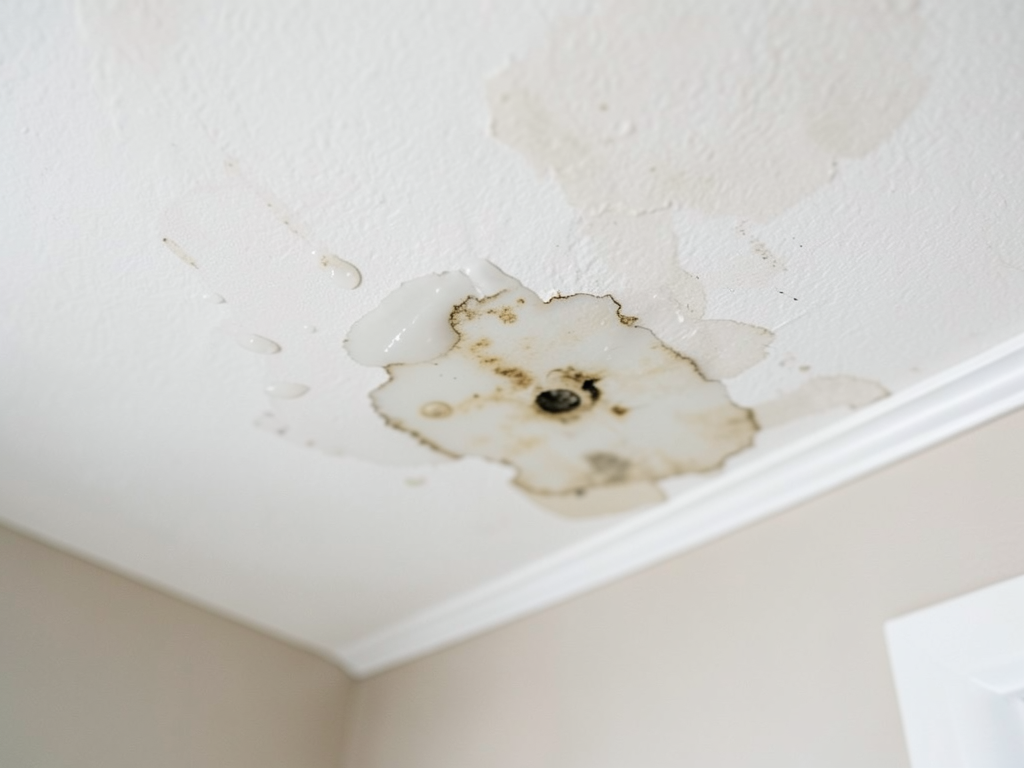
Water follows the path of least resistance, so a leak behind your shower tile might show up as a stain on the ceiling below or as bubbling paint on an adjacent wall. These visual cues often appear far from the actual source of the leak.
Look for these specific visual indicators in your Shepherd Historic District home:. Read more about Restoring Historic Plaster Walls After a Roof Leak in Putnam Heights.
- Yellow or brown stains on ceilings directly below bathrooms
- Paint that bubbles, cracks, or peels away from the wall surface
- Wallpaper that separates at the seams or develops bubbles
- Baseboards that appear darker or have water stains
The clay soil in Oklahoma City causes foundation movement that can crack pipes over time. When a pipe develops a small crack, water seeps out slowly and travels along the path of least resistance. This means the stain on your ceiling might be 10 feet away from where the actual leak occurs.
Pay special attention to areas where different materials meet. The junction between your shower tile and drywall is particularly vulnerable. If you see discoloration or deterioration at these transition points, water has likely been penetrating the barrier for some time.
Changes in flooring and fixtures
Floor damage is often the most expensive consequence of a hidden bathroom leak. Water that seeps under tile or vinyl flooring causes the subfloor to swell and deteriorate. This creates soft spots that feel spongy when you walk on them.
Check your bathroom floor for these warning signs:
- Areas that feel soft or spongy when you step on them
- Tile that rocks or moves slightly when pressed
- Cracks appearing in grout lines that spread over time
- Vinyl flooring that bubbles up at the edges
Pay attention to your toilet as well. If it rocks slightly when you sit on it or if you notice water around the base, the wax ring seal may have failed. This allows water to seep under the toilet and damage the subfloor underneath.
Doors and drawers in your bathroom can also reveal hidden water damage. If a cabinet door suddenly sticks or a drawer becomes difficult to open, the surrounding wood may have absorbed moisture and swollen. This is especially common in older Shepherd Historic District homes where humidity levels fluctuate with the seasons.
Testing for hidden leaks yourself
Before calling a professional, you can perform some simple tests to confirm whether you have a hidden leak. These diagnostic steps can help you determine if the problem is serious enough to require immediate attention.
The water meter test is the most reliable DIY method. Here is how to do it:
- Turn off all water sources
Make sure no one uses sinks, toilets, or appliances for at least 30 minutes. Check that your icemaker is off.
- Locate your water meter
Most Shepherd Historic District homes have meters near the front curb in a concrete box. Remove the lid carefully.
- Check the leak indicator
Look for a small triangular dial or digital display that shows water flow. If it moves when no water is being used, you have a leak.
- Record the reading
Write down the numbers on your meter. Wait two hours without using any water, then check again. If the numbers changed, water is flowing somewhere.
Another simple test involves checking your water pressure. If you notice that your shower pressure has dropped significantly or that your toilet takes longer to fill, a leak may be reducing the water available to your fixtures.
Listen for sounds that indicate water movement. A faint hissing or dripping sound when all fixtures are off could indicate water escaping from a pipe. This is often easier to hear at night when your home is quiet.
The structural damage progression
Understanding how water damage progresses helps you recognize when a small problem becomes a major emergency. Water damage moves through distinct stages, and each stage requires different restoration approaches. Emergency Sewage Cleanup.
Stage one involves surface moisture. Water begins to saturate porous materials like drywall and wood. At this point, the damage is usually confined to the immediate area around the leak. The materials feel damp but maintain their structural integrity.
Stage two occurs when moisture penetrates deeper into materials. Wood subfloors begin to swell and warp. Drywall loses its structural strength and may start to sag. Mold spores that are naturally present in all homes begin to germinate in the moist environment.
Stage three involves widespread saturation. Water has spread through multiple wall cavities and under flooring. The structural integrity of floors and walls becomes compromised. Mold colonies grow rapidly, releasing spores throughout your home.
Stage four represents catastrophic failure. Materials have lost their structural strength. Floors may feel bouncy or spongy. Walls may bulge or develop large cracks. At this point, professional restoration is mandatory, and the cost increases significantly.
Why Shepherd Historic District homes are vulnerable
Shepherd Historic District homes face unique challenges when it comes to hidden bathroom leaks. The combination of aging infrastructure, local soil conditions, and architectural features creates a perfect storm for water damage.
Many Shepherd Historic District homes were built between 1920 and 1950 with galvanized steel or cast iron plumbing. These materials corrode from the inside out, creating weak spots that eventually fail. The average lifespan of galvanized pipes is 40 to 50 years, meaning many Shepherd homes are operating with original plumbing that is well past its useful life.
Oklahoma City’s expansive clay soil puts additional stress on plumbing systems. When the clay gets wet, it expands. When it dries, it contracts. This constant movement can crack pipes, especially at joints and fittings. The problem is worse in Shepherd Historic District where many homes have shallow foundations that sit directly on the clay soil.
The architectural style of Shepherd homes also contributes to leak problems. Many feature plaster walls and original tile work that were installed before modern waterproofing standards existed. Water can penetrate these older materials much more easily than modern alternatives.
Professional detection methods
When DIY testing suggests a problem but you cannot locate the source, professional water damage restoration technicians use specialized equipment to find hidden leaks without destructive testing.
Thermal imaging cameras detect temperature differences caused by moisture. Water cools surfaces slightly as it evaporates, creating a temperature pattern that shows up clearly on infrared cameras. A trained technician can scan your walls and ceilings in minutes to identify moisture patterns that indicate leaks.
Moisture meters measure the actual moisture content in materials. These devices use either pin-type probes that penetrate the surface or pinless sensors that measure conductivity through the material. A reading above 15% moisture content in drywall or wood indicates a problem that requires attention.
Acoustic leak detection uses sensitive microphones to listen for the sound of water escaping from pipes. Even a tiny leak under pressure creates a distinctive sound that can be amplified and located precisely. This method works especially well for slab leaks where the pipe runs under your concrete foundation.
The cost of waiting too long
Many Shepherd Historic District homeowners hesitate to call for professional help because they worry about the cost. However, waiting often leads to much higher expenses down the road.. Read more about Why Heritage Hills Homeowners Choose Us for Historic Home Water Restoration.
A small bathroom leak that costs $300 to repair can escalate to a $5,000 restoration project if ignored for six months. The water damage spreads to adjacent rooms, mold grows throughout the wall cavities, and structural repairs become necessary.
Insurance companies often deny claims for damage that resulted from neglect. If you knew about a leak but did not address it promptly, your homeowners insurance may not cover the resulting damage. This leaves you responsible for the entire cost of restoration.
Health costs are another consideration. Black mold exposure can cause respiratory problems, allergic reactions, and other health issues. The cost of medical treatment for mold-related illnesses can far exceed the cost of early leak detection and repair.
Preventing future bathroom leaks
Once you have addressed a current leak, taking preventive measures can help avoid future problems. Regular maintenance and awareness of warning signs are your best defenses against hidden water damage.
Schedule annual plumbing inspections for your Shepherd Historic District home. A professional can check for corrosion, test water pressure, and identify potential problem areas before they become emergencies. This is especially important for homes with original plumbing systems.
Monitor your water bill for unexplained increases. A sudden jump in usage often indicates a leak somewhere in your system. Compare your current bill to the same month last year to account for seasonal variations in water use.
Install water alarms in vulnerable areas. These inexpensive devices sound an alert when they detect moisture. Place them under sinks, near toilets, and in areas where past leaks have occurred.
Taking action when you find a leak
If you confirm that you have a hidden bathroom leak, taking the right steps quickly can minimize damage and reduce restoration costs. Here is what you should do immediately.
First, locate your main water shutoff valve and turn off the water supply to your home. This prevents additional water from flowing into the damaged area. In Shepherd Historic District homes, the shutoff valve is typically located in the front yard near the water meter or in a utility closet inside the home.
Next, remove any valuables from the affected area. Water can destroy electronics, damage furniture, and ruin personal items within minutes. If you have items stored in cabinets or closets near the bathroom, move them to a dry location.
Document the damage with photos and videos. This documentation is important for insurance purposes and helps restoration professionals understand the extent of the problem. Take pictures of all visible damage, including water stains, bubbling paint, and any mold growth.
Why professional restoration matters
Many homeowners think that fixing the leak is enough, but professional water damage restoration involves much more than stopping the water flow. Restoration specialists follow the IICRC S500 standard for water damage restoration to ensure your home returns to a safe, healthy condition. IICRC S500 standard.
The restoration process includes water extraction, structural drying, and moisture monitoring. Technicians use industrial-grade equipment to remove water and then monitor moisture levels in walls, floors, and ceilings until they return to normal. This prevents secondary damage that can occur if materials are not dried properly.
Mold remediation is often necessary when bathroom leaks have been present for more than 48 hours. Professional remediation involves containing the affected area, removing contaminated materials, and treating surfaces to prevent future mold growth. This work must follow EPA guidelines to ensure safety. Commercial Mold Remediation.
Frequently Asked Questions
How can I tell if my bathroom leak is serious?
A serious bathroom leak typically shows multiple warning signs like musty odors, visible stains, and soft flooring. If you notice any of these signs, the leak has likely been present for weeks or months and requires immediate professional attention.
Will my homeowners insurance cover bathroom leak damage?
Most homeowners insurance policies cover sudden and accidental water damage but may not cover damage from neglected maintenance. If the leak resulted from aging pipes or lack of maintenance, your claim might be denied. Document everything and contact your insurance company promptly.
How long does it take to restore water damage from a bathroom leak?
The restoration timeline depends on the extent of damage. Minor leaks might require 3-5 days for drying and repairs. Major damage involving structural repairs and mold remediation can take 2-4 weeks. Professional assessment provides the most accurate timeline.
Can I stay in my home during bathroom leak restoration?
This depends on the extent of the damage and the restoration work required. For minor leaks, you can usually stay in your home. Major damage involving mold remediation or extensive demolition may require temporary relocation for safety reasons.
How much does professional leak detection cost?
Professional leak detection typically costs between $150 and $400 depending on the complexity of your home and the methods required. This is a small investment compared to the cost of extensive water damage repairs that result from undetected leaks.
What should I do if I find mold during leak detection?
If you discover mold, stop disturbing the area immediately. Mold spores can spread through your home when disturbed. Contact a professional mold remediation specialist who follows EPA guidelines for safe removal. Do not attempt to clean it yourself.
How can I prevent bathroom leaks in my older Shepherd Historic District home?
Preventive measures include annual plumbing inspections, monitoring water bills for unexplained increases, installing water alarms in vulnerable areas, and replacing aging plumbing components before they fail. Regular maintenance is especially important for historic homes with original plumbing systems.
What are the health risks of hidden bathroom leaks?
Hidden bathroom leaks create ideal conditions for mold growth, which can cause respiratory problems, allergic reactions, and other health issues. Black mold exposure is particularly concerning and can cause serious health problems, especially for children, elderly people, and those with respiratory conditions.
How do I know if I need a plumber or a restoration specialist?
You need both. A plumber fixes the source of the leak, while a restoration specialist handles the damage caused by the water. If you have visible water damage, mold, or structural issues, you need a restoration specialist who follows IICRC standards for proper remediation. How to Safely Handle a Flooded Basement in Quail Creek.
What makes Shepherd Historic District homes more susceptible to bathroom leaks?
Shepherd Historic District homes often have original plumbing that is past its expected lifespan, foundations that sit directly on expansive clay soil, and construction methods that predate modern waterproofing standards. These factors combine to make bathroom leaks more common and potentially more damaging in historic homes.
Call for professional help today
Hidden bathroom leaks in Shepherd Historic District homes require immediate attention from professionals who understand the unique challenges of historic properties and Oklahoma’s climate conditions. The longer you wait, the more extensive and expensive the damage becomes.
Our team at Alpha Water Damage Restoration Oklahoma City specializes in detecting and repairing hidden bathroom leaks in Shepherd Historic District and throughout the Oklahoma City metro area. We use advanced thermal imaging and moisture detection equipment to find leaks without destructive testing, and we follow IICRC S500 standards for complete restoration.
Pick up the phone and call (405) 507-4400 before the next storm hits or the next freeze cycle puts additional stress on your aging plumbing system. Our 24/7 emergency response team is ready to help you protect your Shepherd Historic District home from hidden water damage that could cost you thousands in repairs and compromise your family’s health.
Don’t wait until you have a ceiling collapse or widespread mold growth. Call (405) 507-4400 today to schedule your professional leak detection and protect your home investment.
{
“@context”: “https://schema.org”,
“@type”: “BlogPosting”,
“headline”: “Spotting hidden bathroom leaks behind your Shepherd Historic District tile”,
“description”: “Discover the warning signs of hidden bathroom leaks in Shepherd Historic District homes before they cause major damage. Learn what to look for and when to call for help.”,
“wordCount”: 2919,
“datePublished”: “2026-04-05T15:03:00.000Z”,
“dateModified”: “2026-04-05T15:03:00.000Z”,
“inLanguage”: “en-US”,
“mainEntityOfPage”: {
“@type”: “WebPage”,
“@id”: “https://alphawaterdamagerestorationoklahomacity.com”
},
“publisher”: {
“@type”: “LocalBusiness”,
“name”: “Alpha Water Damage Restoration Oklahoma City”,
“url”: “https://alphawaterdamagerestorationoklahomacity.com”
},
“author”: {
“@type”: “Organization”,
“name”: “Alpha Water Damage Restoration Oklahoma City”,
“url”: “https://alphawaterdamagerestorationoklahomacity.com”
},
“image”: {
“@type”: “ImageObject”,
“url”: “https://alphawaterdamagerestorationoklahomacity.com/wp-content/uploads/2026/03/spotting-hidden-bathroom-leaks-behind-your-shepher-1.png”
}
}
{
“@context”: “https://schema.org”,
“@type”: “LocalBusiness”,
“name”: “Alpha Water Damage Restoration Oklahoma City”,
“url”: “https://alphawaterdamagerestorationoklahomacity.com”,
“address”: {
“@type”: “PostalAddress”,
“addressLocality”: “Oklahoma City”
},
“areaServed”: {
“@type”: “City”,
“name”: “Oklahoma City”
}
}
{
“@context”: “https://schema.org”,
“@type”: “FAQPage”,
“mainEntity”: [
{
“@type”: “Question”,
“name”: “How can I tell if my bathroom leak is serious?”,
“acceptedAnswer”: {
“@type”: “Answer”,
“text”: “A serious bathroom leak typically shows multiple warning signs like musty odors, visible stains, and soft flooring. If you notice any of these signs, the leak has likely been present for weeks or months and requires immediate professional attention.”
}
},
{
“@type”: “Question”,
“name”: “Will my homeowners insurance cover bathroom leak damage?”,
“acceptedAnswer”: {
“@type”: “Answer”,
“text”: “Most homeowners insurance policies cover sudden and accidental water damage but may not cover damage from neglected maintenance. If the leak resulted from aging pipes or lack of maintenance, your claim might be denied. Document everything and contact your insurance company promptly.”
}
},
{
“@type”: “Question”,
“name”: “How long does it take to restore water damage from a bathroom leak?”,
“acceptedAnswer”: {
“@type”: “Answer”,
“text”: “The restoration timeline depends on the extent of damage. Minor leaks might require 3-5 days for drying and repairs. Major damage involving structural repairs and mold remediation can take 2-4 weeks. Professional assessment provides the most accurate timeline.”
}
},
{
“@type”: “Question”,
“name”: “Can I stay in my home during bathroom leak restoration?”,
“acceptedAnswer”: {
“@type”: “Answer”,
“text”: “This depends on the extent of the damage and the restoration work required. For minor leaks, you can usually stay in your home. Major damage involving mold remediation or extensive demolition may require temporary relocation for safety reasons.”
}
},
{
“@type”: “Question”,
“name”: “How much does professional leak detection cost?”,
“acceptedAnswer”: {
“@type”: “Answer”,
“text”: “Professional leak detection typically costs between $150 and $400 depending on the complexity of your home and the methods required. This is a small investment compared to the cost of extensive water damage repairs that result from undetected leaks.”
}
},
{
“@type”: “Question”,
“name”: “What should I do if I find mold during leak detection?”,
“acceptedAnswer”: {
“@type”: “Answer”,
“text”: “If you discover mold, stop disturbing the area immediately. Mold spores can spread through your home when disturbed. Contact a professional mold remediation specialist who follows EPA guidelines for safe removal. Do not attempt to clean it yourself.”
}
},
{
“@type”: “Question”,
“name”: “How can I prevent bathroom leaks in my older Shepherd Historic District home?”,
“acceptedAnswer”: {
“@type”: “Answer”,
“text”: “Preventive measures include annual plumbing inspections, monitoring water bills for unexplained increases, installing water alarms in vulnerable areas, and replacing aging plumbing components before they fail. Regular maintenance is especially important for historic homes with original plumbing systems.”
}
},
{
“@type”: “Question”,
“name”: “What are the health risks of hidden bathroom leaks?”,
“acceptedAnswer”: {
“@type”: “Answer”,
“text”: “Hidden bathroom leaks create ideal conditions for mold growth, which can cause respiratory problems, allergic reactions, and other health issues. Black mold exposure is particularly concerning and can cause serious health problems, especially for children, elderly people, and those with respiratory conditions.”
}
},
{
“@type”: “Question”,
“name”: “How do I know if I need a plumber or a restoration specialist?”,
“acceptedAnswer”: {
“@type”: “Answer”,
“text”: “You need both. A plumber fixes the source of the leak, while a restoration specialist handles the damage caused by the water. If you have visible water damage, mold, or structural issues, you need a restoration specialist who follows IICRC standards for proper remediation. How to Safely Handle a Flooded Basement in Quail Creek.”
}
},
{
“@type”: “Question”,
“name”: “What makes Shepherd Historic District homes more susceptible to bathroom leaks?”,
“acceptedAnswer”: {
“@type”: “Answer”,
“text”: “Shepherd Historic District homes often have original plumbing that is past its expected lifespan, foundations that sit directly on expansive clay soil, and construction methods that predate modern waterproofing standards. These factors combine to make bathroom leaks more common and potentially more damaging in historic homes.”
}
}
]
}
{
“@context”: “https://schema.org”,
“@type”: “HowTo”,
“name”: “How to Test for Hidden Bathroom Leaks”,
“step”: [
{
“@type”: “HowToStep”,
“position”: 1,
“name”: “Turn off all water sources”,
“text”: “Make sure no one uses sinks, toilets, or appliances for at least 30 minutes. Check that your icemaker is off.”
},
{
“@type”: “HowToStep”,
“position”: 2,
“name”: “Locate your water meter”,
“text”: “Most Shepherd Historic District homes have meters near the front curb in a concrete box. Remove the lid carefully.”
},
{
“@type”: “HowToStep”,
“position”: 3,
“name”: “Check the leak indicator”,
“text”: “Look for a small triangular dial or digital display that shows water flow. If it moves when no water is being used, you have a leak.”
},
{
“@type”: “HowToStep”,
“position”: 4,
“name”: “Record the reading”,
“text”: “Write down the numbers on your meter. Wait two hours without using any water, then check again. If the numbers changed, water is flowing somewhere.”
}
],
“image”: “https://alphawaterdamagerestorationoklahomacity.com/wp-content/uploads/2026/03/spotting-hidden-bathroom-leaks-behind-your-shepher-1.png”
}
{
“@context”: “https://schema.org”,
“@type”: “BreadcrumbList”,
“itemListElement”: [
{
“@type”: “ListItem”,
“position”: 1,
“name”: “Home”,
“item”: “https://alphawaterdamagerestorationoklahomacity.com”
},
{
“@type”: “ListItem”,
“position”: 2,
“name”: “Blog”,
“item”: “https://alphawaterdamagerestorationoklahomacity.com/blog”
},
{
“@type”: “ListItem”,
“position”: 3,
“name”: “Spotting hidden bathroom leaks behind your Shepherd Historic District tile”
}
]
}
{
“@context”: “https://schema.org”,
“@type”: “Service”,
“serviceType”: “Water Damage Restoration”,
“provider”: {
“@type”: “LocalBusiness”,
“name”: “Alpha Water Damage Restoration Oklahoma City”,
“url”: “https://alphawaterdamagerestorationoklahomacity.com”
},
“areaServed”: {
“@type”: “City”,
“name”: “Oklahoma City”
},
“description”: “Discover the warning signs of hidden bathroom leaks in Shepherd Historic District homes before they cause major damage. Learn what to look for and when to call for help.”
}